
Ebri Yahloe meets trauma with grace on new EP ‘Candid’
The Columbus rapper’s staggering five-song release, out digitally now, finds her coming to term with a long-buried past.
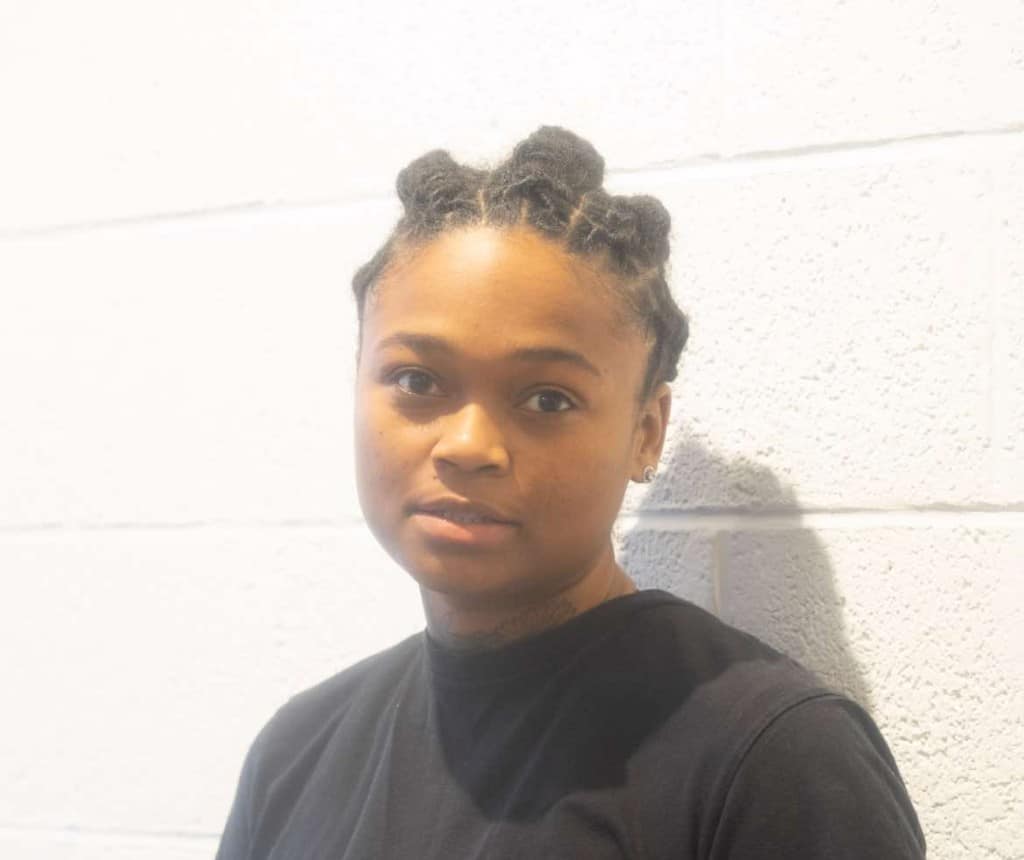
After Ebri Yahloe finished her initial vocal take for the song “Holy,” she and producer Noah Bolte sat together in silence, struck by the lyrical bloodletting that had just taken place.
On the track, which serves as a jarring centerpiece on Yahloe’s recently released five-song EP, Candid, the Columbus musician unpacks decades of long-festering trauma, rapping about the childhood sexual abuse she experienced at the hands of a female cousin more than 20 years her elder – an assault that occurred just a year after she was first raped by a different man at age 5.
“I won’t dare say your name. I’ll never give you that power,” Yahloe seethes early on the song in recalling the man who first forced himself on her. Then, a couple of bars later, the dam breaks. “When I say Yahloe is for the children that’s what I mean/I pray you never have to go through none of the shit that I’ve seen,” the MC raps through clenched teeth. “I pray you never are me/I pray you never feel weak/I pray your daddies love you and they know how to show you.”
A donation powers the future of local, independent news in Columbus.
Support Matter News
“And after we did that, I think we just sat in quiet for a while, where I think we were both in a space of like, damn,” said Yahloe, who allowed herself to hold all of the anger, fear and sadness she felt as a child while delivering the verse. “And I was embarrassed, because it wasn’t just me; it was me and Noah. And I was a little fearful. And there was a moment of what the hell am I doing? And I remember my hands shaking. … But I just thought it was necessary. I knew it was necessary.”
Elsewhere on Candid, Yahloe addresses her formerly corroded relationship with her parents. She blasts her father as a lying, manipulative cheat and expresses the fears she once held as a younger person that she would follow in the footsteps of her mother, who gave birth to the rapper at age 15 and turned to alcohol as one means of coping with being a teenage parent. “I fucking hate you so much I’m starting to hate me,” Yahloe raps on one verse, linking her accumulated insecurities, trust issues and cratered feelings of self-worth to the traits she observed within her mom while coming up. “And when I look in the mirror it’s only you I see.”
“Somebody asked me what the point of this [album] was, and my answer was that I hope it sparks conversations in rooms that I’m not in,” Yahloe said. “And not, ‘Oh, did you hear Ebri’s new thing?’ And not in an Ebri, Ebri, Ebri way. But asking, ‘Hey, has anyone ever made you feel uncomfortable? Has anyone ever touched you?’ And I hope that those kinds of conversations happen. … And I hope somebody’s dad hears this. And I hope he hears me rapping, ‘I pray your daddies love you.’ And I hope he takes his daughter out or his son out. Go hug ‘em. Go kiss ‘em. Go read with ‘em.”
Yahloe recorded the songs that make up Candid over the course of a week in the late summer/early fall of 2023 and then briefly considered shelving the project permanently, concerned by the degree to which she dropped her guard and fearful of how the album might be perceived both within her circles and by the world at large. And the rapper said she might have actually done so were it not for the presence of Bolte, whose emotional support role was trumped only by his production work, Yahloe crediting his beats with helping to drag these long-buried traumas to the surface.
“I wasn’t comfortable saying some of this stuff out loud. I wasn’t even comfortable thinking about those things,” she said. “But anybody who creates music, and especially rappers, you know sometimes the beat just brings it forth. And that’s what it was. … The beat for ‘Intrusive Thoughts’ is dark, right? And it was like, okay, I hear where this is taking me. And then I just kept going.”
For Yahloe, the decision to allow the dark to fester proved challenging. On past releases, the rapper said the difficulties that surfaced tended to be couched in an acknowledgment that things get better – a silver lining absent on songs such as “Intrusive Thoughts” and especially “Holy.”
“So, if you listen, there’s no real and we made it through!” Yahloe said. “And this is where I was in each of these moments and in each of these verses. … I know that in reality there’s always a brighter way and a brighter day, and that if we wake up we have a chance to make it different. But sometimes, man, none of that matters. Sometimes the optimism is not there. Sometimes you wake up and you hate everyone and everything. And that’s not a thing people want to talk about. But it’s real. I’ve read this quote, which is like, ‘If you’re going through Hell, keep going’ because on the other side is a better thing, a better you. But in the midst of that, there’s only the fire.”
Some relief arrives in the form of “03N,” a sparse, syncopated showcase for Yahloe’s bouncy flow, and “In a Minute,” a track on which the rapper counters admissions about her struggle to find balance with effortlessly playful boasts. “I can even sound good saying, ‘Blabbity, blabbity,’” Yahloe raps, rhyming the infectious gibberish with both “cavity” and “mad at me.”
While Yahloe acknowledged that the issues raised on the EP are understandably upsetting to her parents, in particular, she said her verses reflect her state of mind at a different, earlier point in life – a perspective that has since softened given the passage of time. In recent years, Yahloe said she has come to embrace the reality that she inherited her inner strength from her mom, gradually developing a sense of empathy for the elder and the impossible path she traveled in raising the youngster while still a child herself.
This admittedly mature perspective reveals itself on the album-closing “Revenge,” which Yahloe delivers not as a clenched fist but rather as an open palm, embracing the idea that sometimes the best revenge is to find a way to break damaging cycles and to step into the future unburdened by the weight of the past.
“Sometimes I tell her, ‘I don’t know how you did it.’ She had three of us by 21. Twenty-one! I couldn’t even imagine,” Yahloe said. “I’m sure the project was uncomfortable for a lot of my family. But it’s all grace and empathy and love. … They’re still my family. I still love them. Not allowing myself to forgive them, what is that going to do? It’s going to leave me in a space of disarray and dismay. And also, I mess up. I’ve messed up plenty of times. I’ve dropped the ball on things. I’ve severed friendships and romantic relationships. And I’m sure there will come times in the future where I want to be forgiven, where I need to be forgiven. And I think that’s where a lot of this comes from. It’s grace. It’s having unconditional acceptance for yourself and others. Once I really learned to give myself grace and to really love myself and forgive myself, that’s when it got easier.”
Author

Related Articles
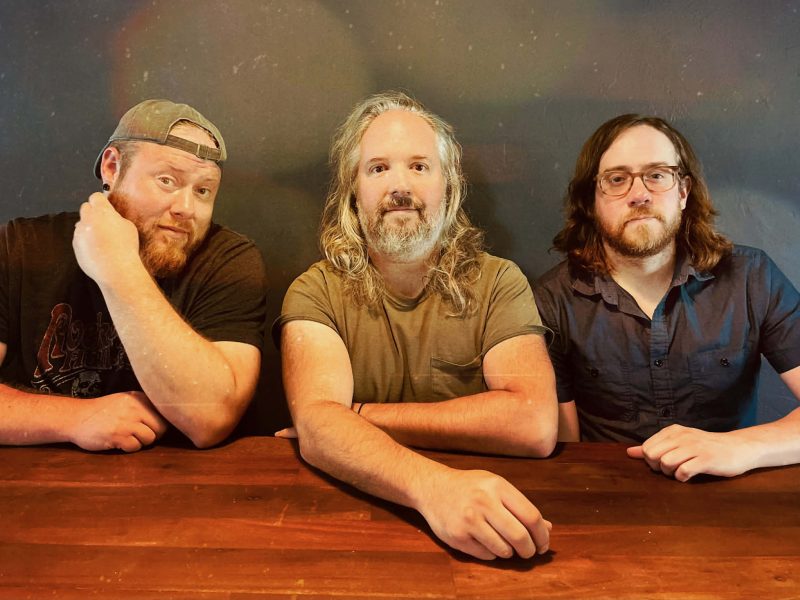
How a Columbus trio ended up backing Tenacious D’s Kyle Gass
Mt. Air teamed with Gass for a string of Midwest dates that includes a stop at Rumba Cafe on Saturday, April 4.
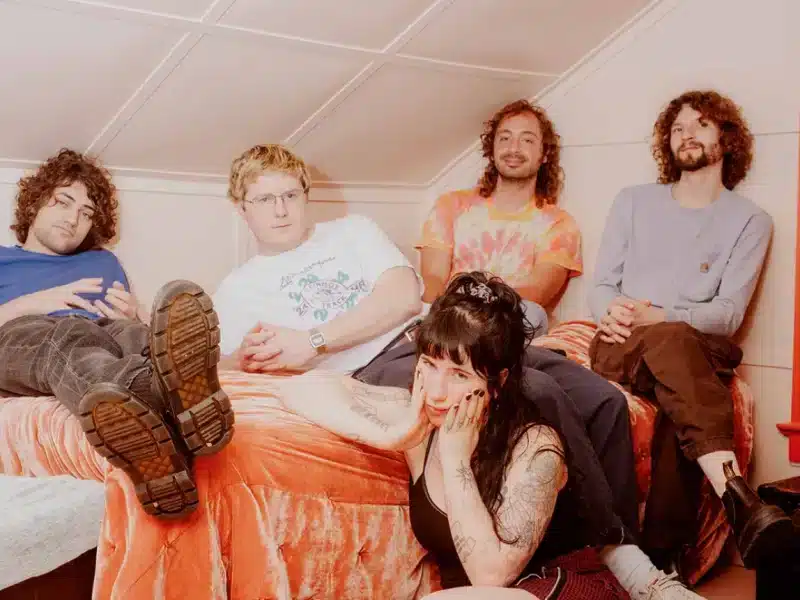
Wednesday speaks for the people on the fringes at King of Clubs
Performing in Columbus on Monday, the North Carolina band displayed a knack for giving three-dimensional life to those out-of-sight folks who are often victims of circumstance.
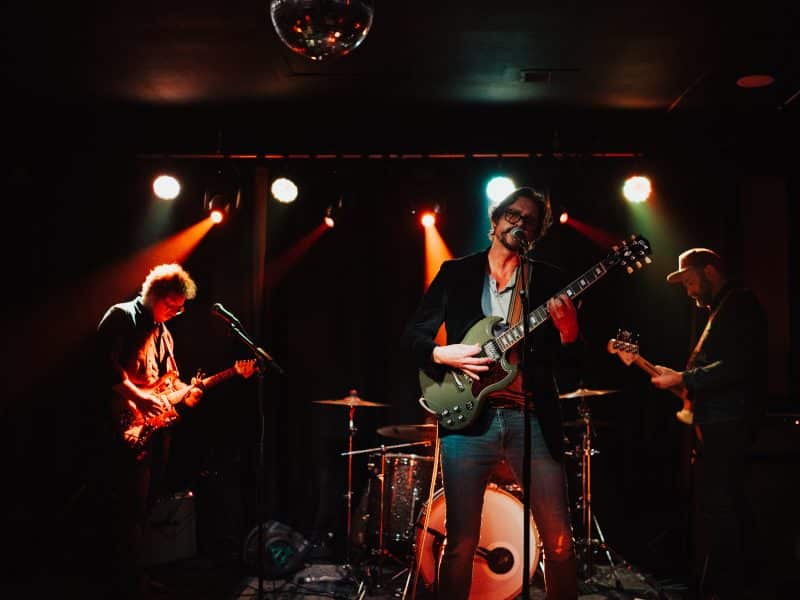
Following extended layover, Paper Airplane again takes flight
The Columbus indie-rock quintet will celebrate the release of new album ‘In a Great Big Field’ in concert at Rambling House on Friday, March 27.