‘It feels like a backwards step’: Columbus Recreation and Parks Department bans nude models at the Cultural Arts Center
‘If people aren’t studying art in a really nourished way, and they’re being limited or censored, I think that hurts the culture at large.’
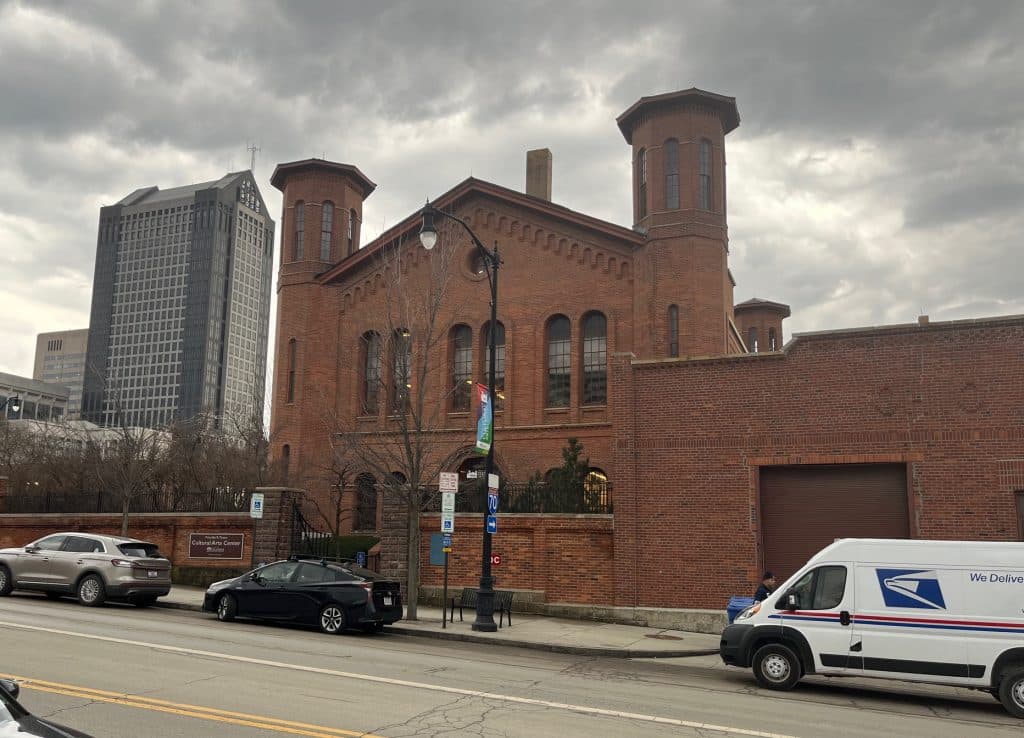
For two years, Emory Noakes has taken life drawing class at the Priscilla R. Tyson Cultural Arts Center, embracing the recurring sessions with in-person nude models as a means to advance her skillset as an artist.
“Clothes are really surprisingly hard to draw on the human body,” Noakes said by phone in late February. “So, it’s really common practice for people to learn and understand the naked human form beneath the clothes before they learn how to draw clothes and fabrics and how those fabrics drape over the human body. There have even been instances in class where the instructor will ask the students, like, ‘Do you want to do clothes today or the nude model?’ And usually everyone is like, ‘Nude model, please, because the clothes look difficult to draw today.’”
Over the weekend, though, word began to circulate that the Cultural Arts Center (CAC) would cease using nude models in its art classes, and the online description for the new session of “Anatomy & Figure Drawing II” was updated to note the participation of “clothed models,” with the word clothed highlighted in bold.
A donation powers the future of local, independent news in Columbus.
Support Matter News
The Columbus Recreation and Parks Department subsequently released a statement about the policy change in which it cited the “associated liabilities of hosting this type of course in a public space,” along with expressing a desire to align its art offerings with the “standards seen in other Ohio municipalities.” (Dominique Shank, community relations chief for Columbus Recreation and Parks, declined to make anyone available for an interview and did not respond to emailed questions requesting more information regarding these potential liabilities and the Ohio municipalities from which the department said it adopted its new standards; Shank did however tell the Columbus Dispatch that the policy change wasn’t prompted by a specific incident.)
Arts instructor Mary Jane Ward, who has taught classes as an independent contractor at CAC since 2016, said that everyone she has spoken with at the center disagrees with the policy change, noting that the life-drawing class has been offered by the facility for more than three decades and is rooted in a centuries-old practice designed to help artists grasp how to better capture everything from the body’s skeletal and muscular systems to the different ways light interacts with form.
“I learned to draw in New York City, and I studied at the Grand Central Atelier, which is a classical atelier, so they really start out teaching students to draw from plaster casts of Greek and Roman statutes, which are generally nude,” Ward said, reached by phone having just exited her final nude drawing course at CAC. “And then from there, once you have kind of gained some skills drawing what you see, then you start working from life, because working from life is really, really challenging, because life moves. But, yeah, it is one of those things that is just seen as a foundational part of your toolkit as an artist.”
Artist Chris Lemmon, who has taken the Saturday morning life drawing class at CAC for more than nine years, learned of the change this past weekend when instructors shared the updated policy along with contact information for Columbus Recreation and Parks director Bernita Reese. “[The instructors] were obviously outraged, but they’re in a tight predicament, because they essentially work for the city,” Lemmon said. “So, they encouraged us to be polite and to not get out there and attack. We gotta get the message out that we’re not going to stand for this without low-roading it.”
When Lemmon reached out to Recreation and Parks, however, he received the same boilerplate statement that has been distributed to the media, which he dismissed as “a bunch of nothing.”
Both Lemmon and Noakes described life drawing classes at CAC as carefully structured, with firm boundaries in place designed to maximize the comfort level of everyone involved. The courses are offered to adults only, and at the beginning of each class cycle the artists and models come to written agreement about how they will interact for the duration of the course, Noakes said, so that “there’s a clear understanding and everyone is respecting one another’s boundaries.”
This agreement typically covers everything from policies on electronic devices, which need to be kept off and stored away when a model is present, to who can access the classroom, which is kept locked anytime a model is disrobed. (Ward said the agreements, which are signed by everyone involved in the class, have previously been reviewed by attorneys with the Cultural Arts Center.)
Hannah Shoemaker, an artist and model who since last summer has posed nude regularly for life drawing classes at CAC, expressed disappointment over the policy change, citing the accessibility of courses at the facility, which are more affordable and offered on a greater diversity of days and times than other places of art instruction in the city. “There are painting classes you can take at CCAD as a non-student, but they’re hundreds of dollars,” said Shoemaker, who posed nude for a class the first time a couple of years ago “just to check it off my list” and has since come to appreciate the importance of the work in helping artists further their crafts. “Then it’s also the principle of it. It’s such a conservative, Puritan policy that I’m just shocked about, as if nudity hasn’t been a part of art literally since people could first draw.”
Everyone interviewed framed the decision in a similar light, noting the rapid push toward conservatism in this current social, cultural and political moment. Noakes described the reversal by the Recreation and Parks Department as “a slippery slope,” while Lemmon termed it “thinly veiled morality policing.”
“It feels like a backwards step,” Ward said. “It brings up ideas of censorship …and just sort of chips away at things in a way where I think students lose out and the public loses out. Art is a cultural asset, so if people aren’t studying art in a really nourished way, and they’re being limited or censored, I think that hurts the culture at large.”
Moving forward, Shoemaker said she would continue to model for artists – clothed or not – while Noakes and Lemmon plan to carry on taking courses at the cultural arts center. All three, though, said they would continue to draw attention to the policy change, pushing leadership at Recreation and Parks to rethink its decision. Lemmon floated the idea of turning future drawings of bikini- or thong-wearing models into more explicitly oppositional pieces, while Shoemaker talked about the possibility of staging a protest that involved posing topless for drawing classes on the sidewalk outside of the Cultural Arts Center. Earlier this week, a Change.org petition was also launched asking Recreation and Parks officials to reverse the ban on nude models.
Ward said these same policymakers had been invited by others in the past to attend life drawing classes – an offer she said they declined – and she couldn’t shake the feeling that the decision was made owing at least in part to a lack of understanding about this type of course and its rich history both at CAC and within the art world at large.
“Maybe it comes from someone not being familiar with the history of art instruction in spaces like this, where even in time periods when perhaps things were more conservative there was still a strong history of studying from life,” she said. “I strongly feel that this is the kind of decision that might look small, where someone might try to tell themselves, ‘Oh, this is just frustrating but let’s make the best of it.’ But I really think for that reason we need to voice our disagreement. We need to make it harder for them to chip away at something that should be supported and celebrated rather than limited.”
Author

Related Articles
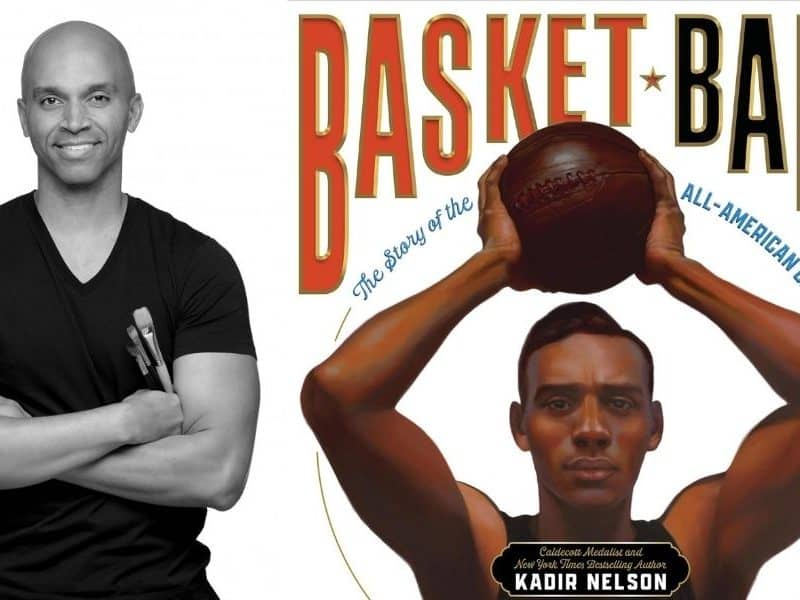
Kadir Nelson still driven by a love for the game
Following the release of ‘Basket Ball: The Story of the All-American Game,’ the celebrated artist and picture book author will appear in conversation with fellow roundball aficionado Hanif Abdurraqib at King Arts Complex on Wednesday, Jan. 14.
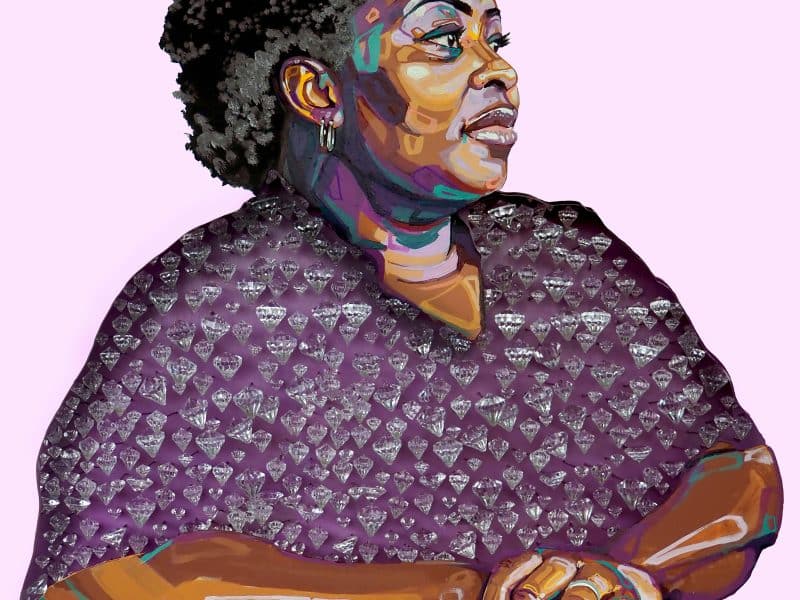
Kirsta Niemie Benedetti wants you to know you’re worth it
The Columbus artist’s new exhibition, which kicks off at 934 Gallery with an opening reception on Friday, Dec. 19, empowers incarcerated women to take a different view of themselves.
Internal review highlights fracture between former leadership and staff at Wexner Center for the Arts
The review, conducted by Ohio State Employee and Labor Relations a month before Gaëtane Verna’s resignation from the museum, paints a picture of the growing disconnect that led staff members to send a letter to university officials expressing a vote of no confidence in the former executive director.