
Proposed ballot measure could provide around the clock non-police crisis intervention in Columbus
The amendment proposed by Columbus Safety Collective would establish a Division of Community Response within the Department of Health, in addition to requiring the city to allocate at least $5 million to fund these changes beginning in 2027.
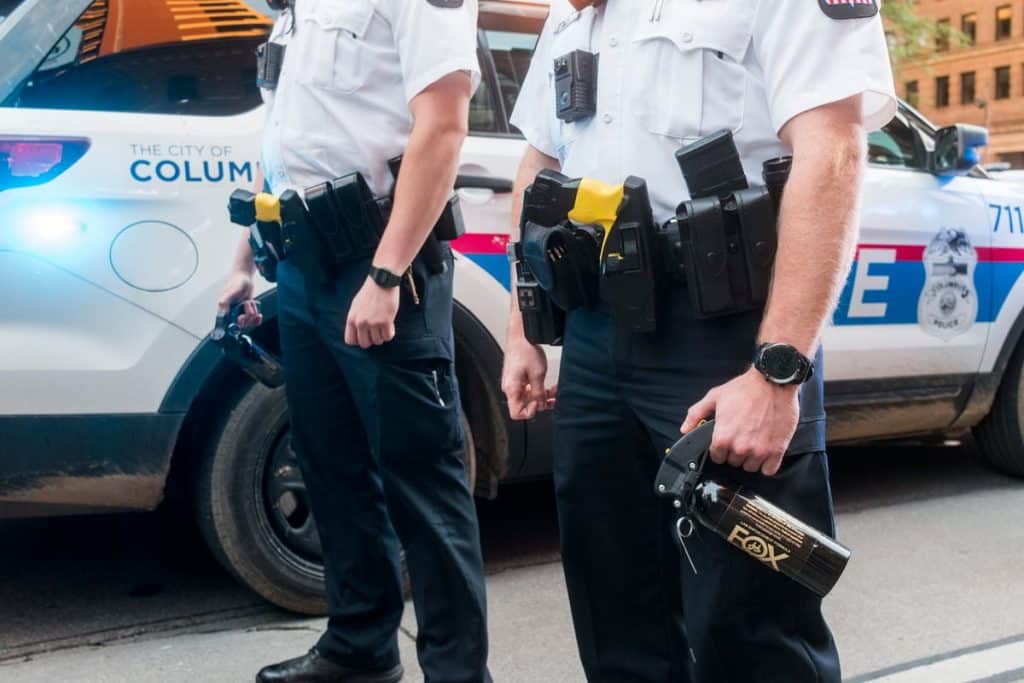
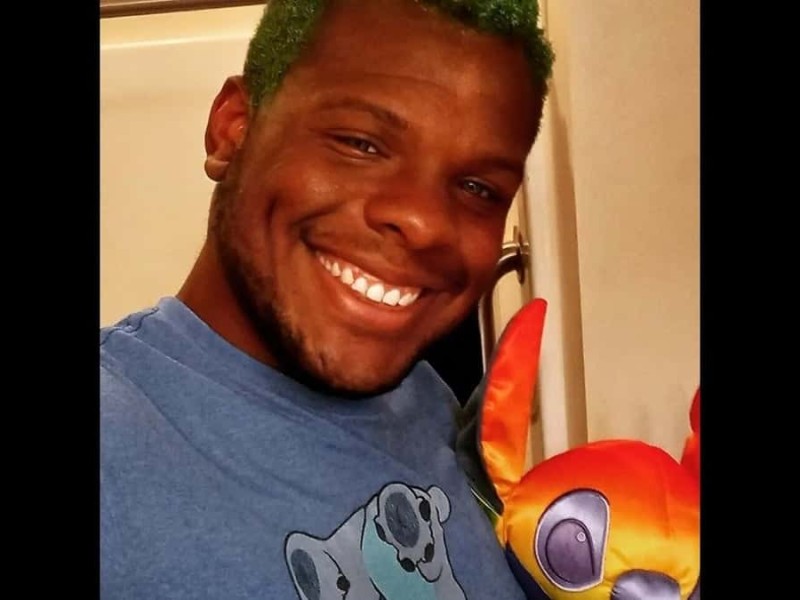
A proposed ballot measure designed to limit the involvement of Columbus police in response to mental health crises and other nonviolent incidents first began to take shape more than seven months ago, according to Chana Wiley of the Columbus Safety Collective (CSC), though its roots stretch back to the January 2017 passing of Wiley’s brother, Jaron Thomas, who died in police custody after he called 911 while in the midst of a mental health crisis and was restrained and beaten by the responding officers, Wiley said.
“I was initially brought into this through the tragedy of Jaron, my brother, with him being a catalyst for this work and the campaign in itself,” said Wiley, who added that the city charter amendment being proposed by activists arose in part from a growing frustration with what she described as the relative inaction of local elected officials related to the issue. “We told [the city] a couple of years ago that we would be doing this, and in our conversations, in our testimonies, we let them know that if we keep seeing the same results, we’re going to take this to the ballot and put the power into people’s hands. … There have been so many Jarons over the years, with different names and faces, both here locally and across the country.”
The campaign initiated by CSC aims to put a city charter amendment before voters in the Nov. 4 general election. But first, the group had to resubmit its petition to City Attorney Zach Klein’s office, which last week rejected its initial submission on a technicality (one of the five “qualified electors” included on the petition lives outside of Columbus). As a result, the campaign launch initially scheduled for last week had been pushed to Saturday, March 29, when the group expects to begin its push toward collecting the 25,000 valid signatures needed by July 7 to get the proposed amendment onto the ballot.
A donation powers the future of local, independent news in Columbus.
Support Matter News
If approved by voters, the amendment would establish a Division of Community Response within the Department of Health, in addition to requiring the city to allocate at least $5 million to fund these changes beginning in 2027, expanding to $12 million by 2031. The aim, Wiley said, is to provide a 24/7 non-police crisis intervention response – something currently lacking within the city’s evolving but patchwork mental health response systems.
Columbus currently has a Right Response Unit with social workers embedded in 911 calls to help de-escalate situations from 8:30 a.m. through midnight on weekdays, as well as a Mobile Crisis Response Unit, which has social workers riding with specially trained police officers from 10 a.m. until midnight daily. There’s also a Netcare program in which a social worker and a trained peer supporter respond to crisis calls coming into a 988 mental health crisis line, which continues to struggle with low community awareness, particularly in light of how deeply ingrained in the public mind 911 remains for crisis response.
None of these programs is available 24/7, however, and these gaps can exist as yawning chasms for those whose crises fall in those times when police alternatives are unavailable. There are also existing systemic issues that can have tragic outcomes owing to the piecemeal nature of current programs. (Mission Critical Partners, an outside consultant, is currently studying existing systems, with a report expected later this year.)
“The city says, ‘Oh, we have these programs already.’ … But those programs are pretty fragmented, not available 24 hours a day, and they’re just not what the residents of Columbus are asking for, according to our town halls and all of the data gathering we’ve done. … [The city] can do study after study, but in the meantime the bodies are piling up and more lives are being lost,” Wiley said. “We just want to add another layer of public safety … and take some of that burden off of police, who aren’t trained appropriately and don’t want to respond to these types of calls.”
In February 2024, Colin Jennings was shot and killed by Columbus police outside of his apartment at Creekside Place while in the midst of a mental health crisis. Creekside is owned and operated by Community Housing Network (CHN), a nonprofit that develops and manages affordable supportive housing for people experiencing homelessness, mental health issues, substance-use disorder, and other trauma-related issues. As a result, police calls to the complex are commonplace, multiple people interviewed at the time said, with Arlene Reiter, resource development and marketing director for CHN, telling Matter News in March 2024 that if a resident is having a mental health crisis at the property, they are frequently taken to RI International – Behavioral Health Crisis Care Center, a 10-bed, voluntary walk-in program in Franklinton.
And yet, in a February 2024 news conference, Columbus police said the Creekside apartment complex was not flagged in the dispatch system as a property that might benefit from one the city’s expanding number of alternative crisis response teams when Jennings’ boyfriend called 911.
“There’s no single person who is responsible for coordinating the city’s existing alternatives, nor for advancing a plan on how to build and scale them,” Steve David of the Columbus Safety Collective said at the time. “After years of doing this advocacy, and in specifically asking for a non-police emergency response program, we’ve seen no interest from the [Ginther] administration to actually dedicate the personnel and the funding to actually build this thing.”
While it’s been a long journey to get to this point, Wiley said she was buoyed by the timing of the campaign launch, which is landing at a point in which some people have grown increasingly frustrated with the lack of power their voices carry nationally, with many looking for ways they can make an impact on a smaller, more localized scale.
“Local elections really are vital, because they show we still have power … to make a difference,” Wiley said. “Now it’s about educating people about our campaign and making sure we get a good [voter] turnout. But I’m happy to know we can do that right now, and that we can create some momentum and excitement and give people hope.”
Update: Columbus Safety Collective initially intended for the proposed Division of Community Response to exist within the Department of Public Safety. The group now says this division would exist within the Department of Health.
Author

Related Articles
Flock is on pause. What about all that other surveillance tech we use?
Columbus has had a contract with Shotspotter, an AI-powered gunshot detection microphone system, since 2018.

Opinion: Flock cameras won’t make us safer. Here’s what will
Flock Safety, the company behind the cameras, obstructs any attempt to establish guardrails, accountability, or transparency. Amazon is no one’s model for corporate responsibility, and even it cut ties with Flock.
‘We were once a school that allowed voices on campus. Now, no voices are allowed.’
Compared with protests at neighboring colleges, the administrative crackdown on the 2024 pro-Palestine encampment at Ohio State stands out for its severity, causing reverberations that continue to this day.