
The continued importance of TEMPO Music and Arts Camp
‘The trendy thing now is transphobia, but when I was in high school it was homophobia. So, the hate has always been there, it’s only the target that is different. And so, I think [the camp] has always been essential.’
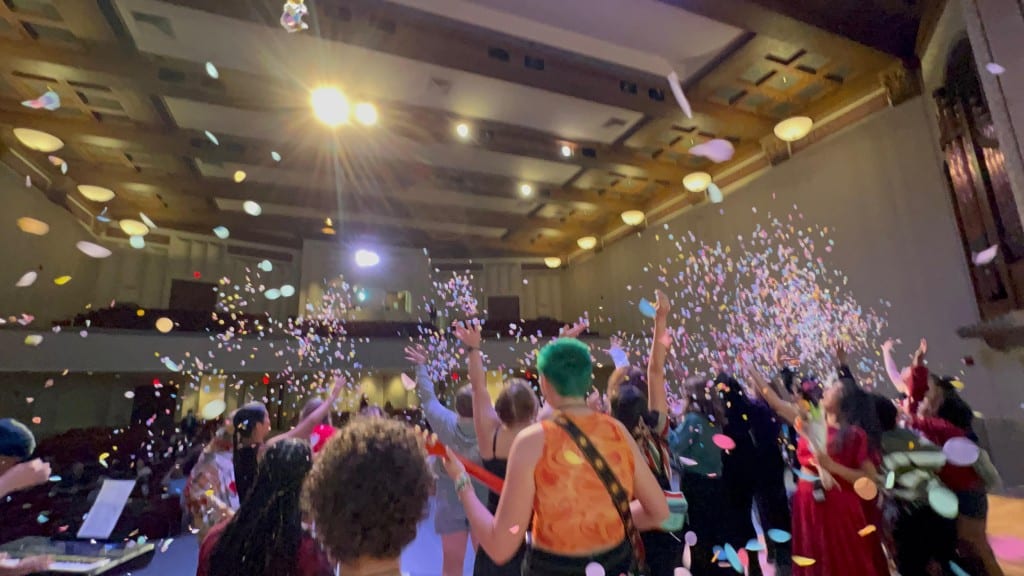
Apollo first attended TEMPO Music and Arts Camp four years ago, describing themselves at the time as a more anxious person, particularly when faced with unfamiliar situations.
“And every year, I meet new people [at TEMPO], and I enjoy listening and speaking with them,” Apollo said. “And now I absolutely feel more confident. And since I feel more confident in myself, I can carry that in every room that I’m in and not just TEMPO. So, it’s impacted my day-to-day just in how I carry myself and how I interact with others.”
First launched 12 years ago as Grrrls Rock Columbus, the volunteer-run TEMPO has long existed as a safe space for young people, built on a mission to empower “women, girls, trans, nonbinary, and intersex people through musical and creative expression, education and performance,” as noted on its website. And while it might feel as though this mission is somehow more essential in this social and political moment, especially given the flood of anti-trans legislation being passed both nationally and in Ohio, camp organizer Elena Cruz-López reminded that circumstance have always existed that make TEMPO a needed respite, particularly for youths.
A donation powers the future of local, independent news in Columbus.
Support Matter News
“The trendy thing now is transphobia, but when I was in high school it was homophobia. So, the hate has always been there. It’s only the target that is different,” said Cruz-López, who joined fellow organizers Andie Cascioli, Meg Zakany and Rachel Scott, along with campers Apollo and Wally, for an early May interview. “And so, I think [the camp] has always been essential.”
The camp has continued to evolve and become more purposeful in its language, however, with Zakany pointing to a scholarship now explicitly positioned toward trans femme campers as one example. “We wanted to be more explicit in the language we’ve always used behind the scenes, so that people know our camp is a trans-affirming space,” said Zakany, who also noted the camp has become more intentional in its outreach to trans-friendly organizations such as Kaleidoscope Youth Center, making the young people who rely on the community space aware of the scholarship possibilities.
“Not only did we want to be more transparent, but we also wanted to put up that signal to our community that this space is safe and affirming,” said Cascioli, who will join organizers in hosting TEMPO’s annual “MAY-HEM” fundraiser, which takes place this year at Spacebar on Saturday, May 10. “We are dealing with so much just in Ohio alone, with [legislation such as] HB8, HB6, and SB104 all targeting trans youth. And I think that’s why we wanted to put these scholarships in the forefront, to let these students know that if they’re not getting [support] at home or at school because of all this nonsense that is being hurled at us, that TEMPO is a space for them.”
“I’m building my summer around TEMPO,” Apollo said. “It feels like something I have to have, rather than an option.”
Wally, a fellow camper, expressed similar sentiments, sharing that TEMPO allows him an escape from the pressures he experiences navigating a school with “a largely conservative population” that is trending even more so. Over the last year, Wally said, his classmates have grown increasingly comfortable parroting the same the science denialism (students in one environmental science course have become more vocal in expressing a disbelief in climate change) and bigoted language deployed by Republican leaders. “A lot more people in my school are more open being bigots of some type,” said Wally, who said this trend has led some trans and queer students to abandon in-person classes in favor of online schooling. “It’s like a lot of people have disappeared from the school, because of the legislation, and because of the way other students in the school are reacting.”
In the years since its founding, TEMPO has continued to expand on its strong social justice roots, incorporating concepts such as disability justice, which evidences itself in the deliberate, health-protective policies put in place after Covid reached U.S. shores in early 2020, which are aimed at protecting the most vulnerable populations, allowing them to maintain a level of comfort in continuing forward with the camp.
TEMPO organizers are also cognizant of creating a safe space in which attendees can explore and wrestle with a range of big ideas, be it their own gender identities or the whatever the prevalent social and political issues might be in that moment. “We have to have those kinds of conversations all the time, not only at camp but behind the scenes to prepare for how we’re going to engage with campers when these things come up,” Zakany said. “We’re not going to censor campers, and if they have something they’re passionate about, and they bring that to camp, we will explore it. And we as an organizing team need to make sure we’re prepared to help facilitate those conversations in respectful ways. And, honestly, we are very passionate about social justice issues, and we love engaging those conversations, based on what campers are experiencing and inspired by and bringing to the table.”
So, while music remains central to the camp experience, it can at times serve as a gateway to building community, said Rachel Scott, who has uncovered a deeper intention since she started volunteering three years ago.
“Music was a little more my entry point, and I didn’t know exactly what I was getting into,” Scott said. “But from that first moment that I talked to … one of our organizers, I knew I was stepping into something special. And I was struck by how incredibly intentional the community was, and how it felt like we were all here together, building a different world.”
Author

Related Articles
The Worker’s View: Upper Arlington stages anti-union ‘educational campaign’
The fleet workers voted in March to join Teamsters Local 284 in spite of the actions taken by the city.
Victim impact: Listening to testimony at work on a Tuesday in April
At one point, a woman thanked the judge for letting her speak. The judge replied, ‘It’s the least I could do.’ And the woman replied, ‘You’re right. It is the least you could do.’
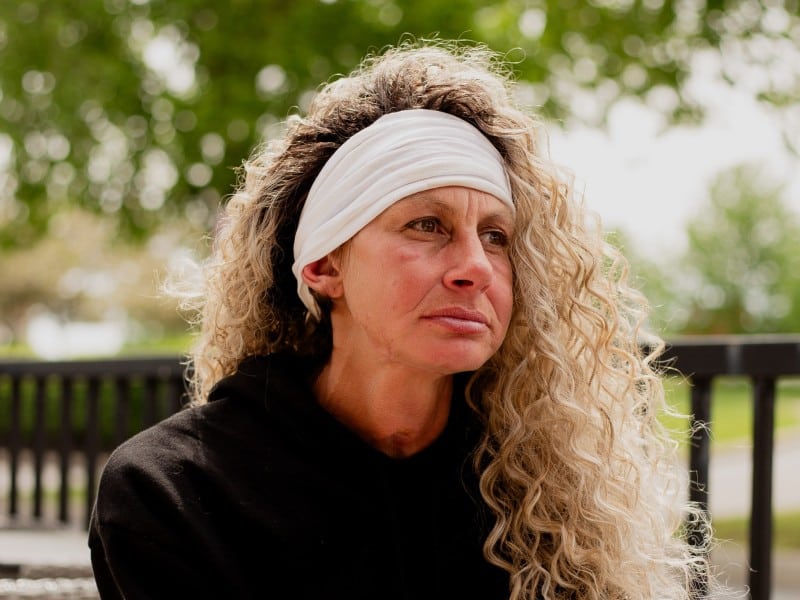
‘And when you get caught, and your camp gets swept, you’re right back to square one.’
In interviews, nearly 20 unhoused or formerly unhoused Columbus residents spoke about the things they lost in encampment sweeps and the impact it had on their lives.