
Dublin Jerome High School student barred from presenting trans-centered activism project
‘These school administrators and teachers, I don’t think they’re transphobic. I think the system is transphobic.’

Update: This story has been updated with a statement from a spokesperson with Dublin City Schools.
In recent weeks, Corinne Embi, a senior at Dublin Jerome High School, worked to assemble the final project for her women’s studies class, which asked each student to focus on a different activist movement.
One of Embi’s classmates researched period poverty and the harms caused by a lack of access to menstrual products, while another delved into health classes that utilize materials that show an implicit bias against overweight people. For her final project, Embi, who is trans, chose to present different ways to combat the current societal rise in transphobia, developing an in-school demonstration in support of trans rights, along with an after-hours teach-in focused on ways to support and uplift the trans community in this political moment.
A donation powers the future of local, independent news in Columbus.
Support Matter News
Initially, Embi said she received positive feedback on the proposal from her teacher. But school administrators were less generous in their assessment, especially after Embi posted informational flyers throughout the school containing details about the protest and subsequent teach-in.
“I’d already posted [the flyers] online, but for more traction I wanted to hang them in areas of the school where people walk a lot,” said Embi, who presented the flyer to an administrator for approval prior to hanging them in the school. “I talked to them about it, and I presumed they read over it, and they were like, ‘Yeah, this sounds great.’”
When Embi arrived at school the next day, however, all of the flyers had been taken down, and within short order she was called into a first period meeting with multiple administrators, who she said barred her from presenting the teach-in on school grounds, in addition to clamping down on the planned demonstration. The reasons given by administration for the decision shifted over a number of days, Embi said, with the initial objections related to her use of the word “protest” on the flyer and a request to have people bring trans flags to school. “They said they didn’t want the disruption, which is understandable,” Embi said.
But when Embi asked if she could alter the flyer, which asked students to dress in blue, pink or white to show support for the trans community, she said administrators rejected the proposal. They also prevented her from handing out colored bracelets to her fellow students on school grounds. Later, Embi said, administrators called her in for a second meeting, during which she said she was told she would not be able to present her activism project to the class, “because it was about trans people and trans people are a controversial topic.” Embi also said one school official told her the decision was meant to guard her against potential harassment.
“We are just protecting you is the way they justified it,” said Embi, who led a significantly muted demonstration at the school last Friday and will now host the teach-in portion of her project at the Dublin branch of the Columbus Metropolitan Library beginning at 4 p.m. on Thursday, May 15. “But if they were really protecting me, they would let me talk about these issues as one of the few trans girls at my school.”
“Dublin City Schools supports student voice and encourages thoughtful civic engagement,” a spokesperson for Dublin City Schools wrote in an email. “In this case, a class project raised meaningful topics, and a student demonstrated commendable initiative. While the intent was positive, materials were posted before the appropriate approval process was complete. Board policy requires that all events and materials be approved in advance to ensure they do not disrupt the learning environment.”
Embi said she was spurred to take on the project by recent bills passed both nationally and within Ohio that have restricted the access of trans people to everything from gender-affirming health care to public bathrooms. Ohio Senate Bill 104, for example, went into effect in February and prohibits transgender students at K-12 schools statewide from using the facilities that align with their gender. For Embi, this has created a difficult choice, potentially subjecting her to punishment if she is discovered using the women’s bathroom or leaving her open to harassment or worse if she crosses paths with the wrong person inside the men’s room.
“Even if [people] are complying and using the restroom that corresponds to their ‘biological sex,’ if they present as trans or non-conforming, they are at heightened risk of being subjected to hate speech or potential hate crimes in a space where they are at the mercy of other bathroom occupants,” Dorian Lou, a student organizer with Trans Experimental Action, said in a February interview with Matter News.
These new legislative hurdles arrive in the midst of what Embi described as a prolonged, ongoing move to the political right within the student body at her high school that has at times left her feeling ostracized and intimidated. “I remember my sophomore year, I was in a U.S. history class, and I felt very uncomfortable, especially when we had to debate anything,” Embi said. “I felt unsafe giving my opinion, or even just talking in the class. And I was definitely laughed at and mocked a few times, for sure. It’s a thing where I’ve felt deeply uncomfortable being at the school.”
Within the women’s studies course, however, Embi discovered a space where the perspectives of overlooked populations were more often given air, with sections dedicated to topics such as Black feminism.
“We talk all the time about the differences between men and women in society, and about the intersection of racism and misogyny,” said Embi, who intended to explore a similar intersection between transphobia and misogyny before administrators pulled the plug – a decision she now attributes to the pressures faced by school officials in navigating an environment where entire states have had their funding threatened for preserving trans-supportive policies. “Even the central office was like, ‘You’re obviously very passionate about this, and we’re glad you’re speaking up for trans people. But also, we cannot do this right now.’ … These school administrators and teachers, I don’t think they’re transphobic. I think the system is transphobic.”
Author

Related Articles

‘I am not going to stand before God and say, well, I chickened out’: Reflections on building caring coalitions
More than three years after the City of Columbus bulldozed Camp Shameless, one of the founders of the encampment offers their perspective on the housing crisis and the people working at the grassroots to give aid to those routinely left behind.

New affordable housing investments may leave Columbus’ most vulnerable properties, and tenants, behind
Even as new bonds approved by voters hope to transform housing development for years to come, a desperate shortage of affordable units continues to push low-income renters into the lowest-quality homes.
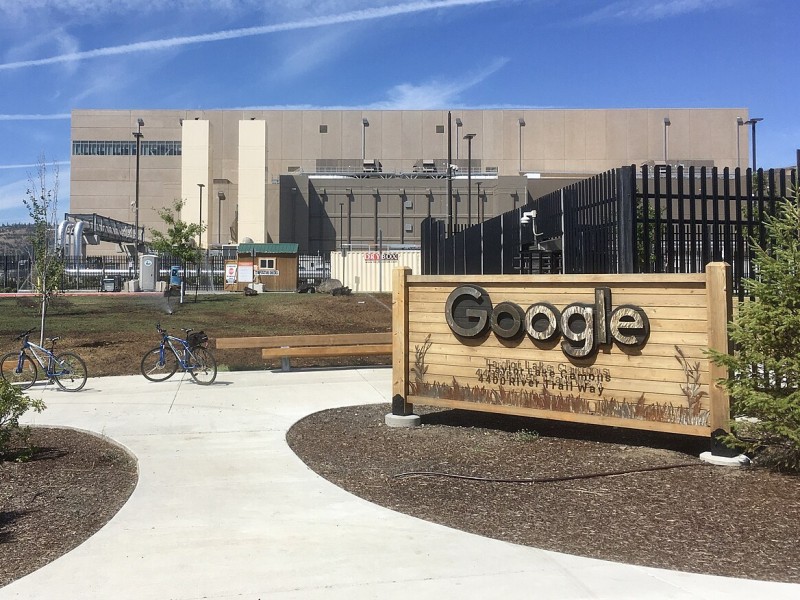
Columbus City Council meeting debates the local impact of data centers
‘This is the beginning of a conversation,’ councilmember Christopher Wyche said of the four-hour meeting, during which reps from the data center industry, labor unions, and environmental groups joined residents to debate everything from data center water usage to the number of jobs these massive facilities actually create.