
Ohio State scholar leads research on historic election with The Kamala Harris Project
Since 2021, Ange-Marie Hancock, executive director of the Kirwan Institute for the Study of Race and Ethnicity, and a team of women scholars of color have been writing about Harris and the intersection of race, gender and politics.
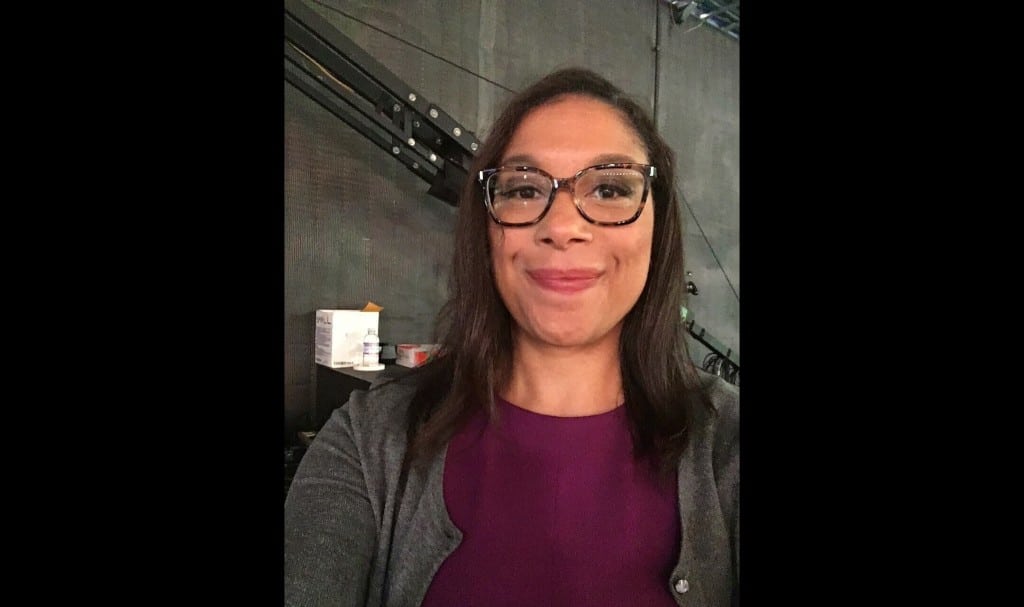
Last week, the Democratic National Convention in Chicago drew an average of 21.8 million TV viewers, inspiring a deluge of discourse on social media.
One viewer commented on Democratic presidential nominee Kamala Harris’ use of African American English speech patterns.
Another said second gentleman Doug Emhoff had to navigate gender expectations by appearing protective – but not so much so that voters would consider Harris a weak candidate.
A donation powers the future of local, independent news in Columbus.
Support Matter News
A third said Harris’ historic run would not have been possible without the decades of work by Black women campaign leaders and organizers within the Democratic Party.
These were not posts from anonymous accounts, but rather research-based “hot takes” on Facebook from college and university professors involved with The Kamala Harris Project.
Launched in 2021 by Ange-Marie Hancock, executive director of the Kirwan Institute for the Study of Race and Ethnicity at Ohio State University, the initiative has been examining Harris’ term as the first woman of color vice president in U.S. history. Hancock and 19 other women scholars of color from across the country have been speaking and writing about Harris and the intersection of race, gender and politics. Over the years, the group has hosted a few small symposia, largely operating out of the national spotlight.
But that all changed a little over a month ago when President Joe Biden announced he was dropping out of the election and endorsing Harris.
As their national exposure increases, The Kamala Harris Project has ramped up its output of articles, papers, webinars and social media posts. And with the election just a couple of months away, the scholars are unpacking everything from the perception of Harris’ racial identity and her treatment on social media to interpretations of her response to protesters. The goal of the initiative is to produce a body of work that can be referenced decades in the future as people look back on this historic political moment.
“We’ve been meeting pretty much weekly to talk about, ‘Okay, which piece of this does this person want to do?’” Hancock said. “We’re just trying to get all of that organized so folks can really feel like they’re contributing, but also pushing things out as quickly as possible. We want the world to understand that there’s an expertise behind the historic nature of her candidacy.”
The Kamala Harris Project’s non-partisan group of scholars works across multiple disciplines, including history, political science, linguistics, public policy and communications.
Brooklyne Gipson, an assistant professor of journalism and media studies at Rutgers University, studies social media commentary about Harris. Nicole Holliday, a linguistics professor at University of California, Berkeley, discusses Harris’ political speech in academic papers and on TikTok. Sara Sadhwani, an assistant professor of politics at Pomona College, has written about Indian Americans’ views on Harris. And Ohio State professor Wendy Smooth said she wants to compare Harris’ 2020 and 2024 presidential runs.
“It’s going to be interesting how she negotiates claiming the successes of the Biden administration, versus being able to say, ‘As vice president, I was not the architect of these policies,’” said Smooth, a faculty member in the Department of Women’s Gender and Sexuality Studies, the Department of Political Science and the John Glenn College of Public Affairs.
Smooth and other members of The Kamala Harris Project have also been following attacks on Harris’s character, including claims that her dating history helped her rise through the political ranks.
“That trope around being highly promiscuous dates back to the earliest days of slavery, where African American women’s bodies were not their own, in terms of the ways in which they were consumed … for sexual pleasure, reproduction and the advancement of plantation wealth,” Smooth said. “We rationalized it through a lens of constructing Black women as hypersexualized. And that has traveled in the world psyche since enslavement.”
And Republican vice presidential nominee JD Vance’s labeling of Harris as “childless” ignores both her blended family and the practice of “other-mothering,” Smooth said.
“This idea that women without children are anti-family goes against so many traditions in not only African American families but in families of color across the country who have had to survive based on both intergenerational care and concern, but also family circles that extend beyond biological or blood ties,” Smooth said.
The Kamala Harris Project scholars also responded to former President Donald Trump’s statements at the National Association for Black Journalists convention in Chicago, when he said that Harris “happened to turn Black.”
Hancock and Nadia Brown, a professor of government at Georgetown University, wrote about the history of racial classification in the U.S., including the “one-drop rule,” or legal classification that a person with any amount of African ancestry was considered Black. Danielle Lemi, a fellow at the Tower Center for Political Studies at Southern Methodist University, published an article about Harris’ multiracial identity.
The researchers are also tracking the positive responses to Harris, including the 44,000 Black women who mobilized on a July Zoom call, raising more than $1 million for her campaign. And Smooth co-authored a paper that contended that the rise in women of color voting and running for office stems from grassroots efforts by women of color-led networks and organizations nationwide.
“Those are the kinds of organizations that my colleague and I are watching very closely to understand how they will contribute, particularly in battleground states, to the electoral outcome,” Smooth said.
Despite the momentum behind Harris, some are concerned about how she will respond to the war in Gaza, especially after the Democratic National Convention did not honor delegates’ request for a Palestinian American to speak during the event.
The Kamala Harris Project has yet to decide how it will study Harris’ response to the war, Hancock said.
Whatever the outcome of the election, The Kamala Harris Project’s research will continue, said Hancock, who has plans to organize the content in one place online. Additionally, there will be another symposium at Ohio State in May 2025.
If Harris has an official archive of papers one day, Hancock said she would like the group’s work to be included.
“I certainly hope that this research will be used in a way that will help the rest of the country and the rest of the world really understand the historic nature of what we’re living through right now,” Hancock said. “We hope that it has longevity.”
Members of The Kamala Harris Project
Curator: Ange-Marie Hancock, Ohio State University
- Sharon Wright Austin, University of Florida
- Ayana Best, Howard University
- Nadia Brown, Georgetown University
- Valeria Sinclair Chapman, American Association for the Advancement of Science and Purdue University
- Brooklyne Gipson, Rutgers University
- Chrissy Greer, Fordham University
- Duchess Harris, Macalester College
- Nicole Holliday, University of California, Berkeley
- Patricia Jaramillo, St. Mary’s University
- Jane Yunhee Junn, University of Southern California
- Danielle Lemi, Tower Center, Southern Methodist University
- Angela Lewis Maddox, University of Alabama Birmingham
- Taneisha Means, Vassar College
- Melanye Price, Prairie View A & M University
- Sara Sadhwani, Pomona College
- Evelyn Simien, University of Connecticut
- Wendy Smooth, Ohio State University
- Francille Rusan Wilson, University of Southern California
- Julia Jordan Zachery, Wake Forest University
Related Articles
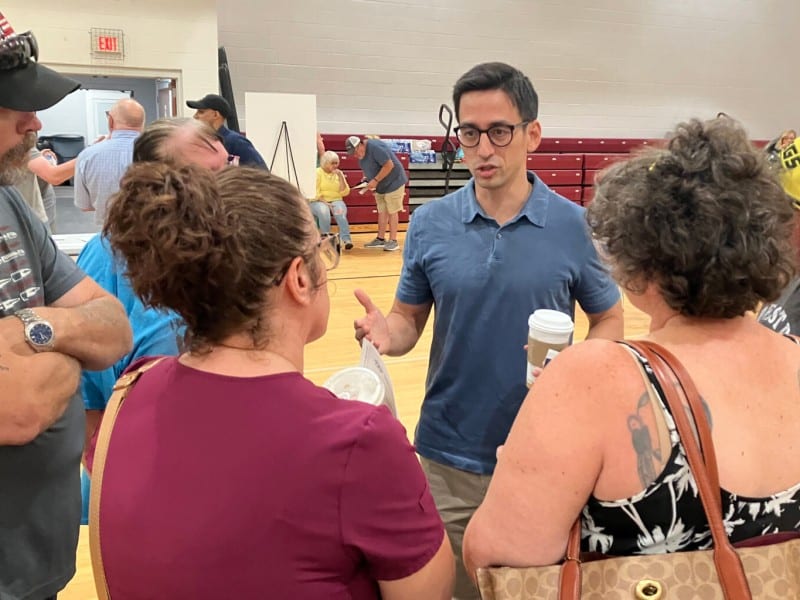
The Coming Out Party for the Country’s Largest Gas Power Plant (Serving the Largest Data Center) Was Surprisingly Quiet
A developer hosted the first open house for a gigantic Ohio project, with no signs of organized resistance.
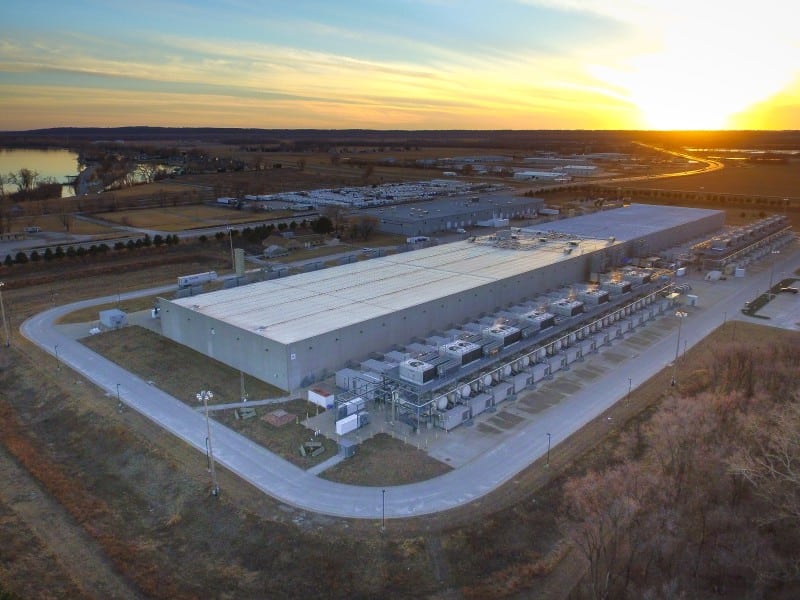
On Development: The cloud is still made of concrete
The ongoing data center construction boom has our columnist asking himself some questions.

Local Politics: A rundown of what the Flock is going on
The Columbus City Council is seeking public testimony ahead of an early August hearing on the future of Flock, a license-plate-reading surveillance camera system.