
People’s Justice Project wants to open more eyes to the power of community
PJP organizer Bryanna Chambers will help lead a conversation at Two Dollar Radio Headquarters on Thursday, Jan. 9, designed an introduction to organizing and a way to get people to start to reconsider Columbus’ approaches to public safety and policing.

There has been an outpouring of anger and frustration on the left in the wake of November’s election, which saw Donald Trump return to power and the Republican Party tighten its grip on the reins in Ohio. The challenge now, said community organizer Bryanna Chambers of People’s Justice Project (PJP), is finding ways to harness these emotions.
“And part of that is getting people to relocate that anger, and getting them to understand our freedom, our liberation, it doesn’t come from presidential elections,” Chambers said in late December. “It doesn’t matter which person wins. There are issues that exist and will continue to exist: policing, mass incarceration, affordable housing, education, poverty, lack of access to mental health services. And the only way for those issues to get any better is through people power, and people putting pressure around those types of issues rather than thinking an election is going to fix those things.”
As a way of kick-starting a larger discussion, PJP is holding its first community conversation, which is scheduled to take place at Two Dollar Radio Headquarters beginning at 7 p.m. on Thursday, Jan. 9. (Register to attend here.) Centered in part on the ongoing Peoples Safety Campaign, the conversation is aimed at getting people to consider ideas such as decentering the police in mental health crisis response, the need to demilitarize police departments, and the benefits of decreasing the presence of police in our communities.
A donation powers the future of local, independent news in Columbus.
Support Matter News
“I think this [community conversation] will also be an introduction to People’s Justice Project, and an introduction to movement organizing, so that people can be comfortable continuing to engage with us,” said Chambers, who developed an interest in community organizing when she discovered the Boycott, Divestment, Sanctions (BDS) movement after learning her university had financial ties to multiple businesses linked with Israel. “And I was like, why are they putting this money into genocide? … And that led me into organizing and trying to be heard by this institution.”
Though these efforts largely fell on deaf ears – the university ignored the protests and carried on with business as usual – it led Chambers to attend a one-on-one training with PJP, which developed into a role as a PJP organizing fellow and deepened her understanding of the power of the collective to bring about change. Even recent political developments have served as a reminder of this ability, with Chambers recalling a recent virtual conversation in which one of PJP’s board members expressed that Project 2025 – a 900-page policy wish list published by the Heritage Foundation that would greatly expand presidential power and impose an extreme conservative social vision – reflects the fears that those in power have of the populace discovering its collective strength.
“She was saying that Project 2025 is a complement to our power, and that a lot of these things happening, like cop cities, are because of people resisting,” said Chambers, who added that many of these developments, including the ongoing militarization of the police and the federal government funding Israel’s genocide in Palestine were likely to continue regardless of who won November’s presidential election. “And, yeah, Trump is worse, but regardless of who’s in power, they are always going to be more interested in maintaining capitalism. … So, I think a lot of the changes we want to see, they’re not going to happen unless we’re in these people’s faces and we have the backing of the people with us. … Being in PJP and learning from people like [founder and executive director] Aramis [Sundiata] about its history, it really opened my eyes to the reality that one person in a position of power isn’t going to change things. It’s going to be us.”
Author

Related Articles
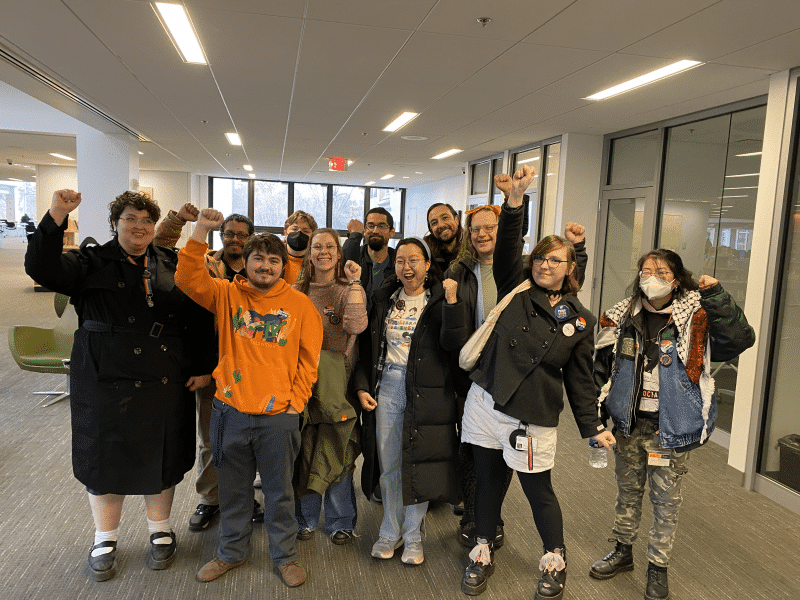
Behind the worker-led push to unionize the Columbus Metropolitan Library
Last week, CML United initiated the unionization process when it delivered signed union cards representing a supermajority of eligible library workers to Ohio’s State Employment Relations Board, taking the biggest step yet in a slow-building process that started more than 18 months ago.
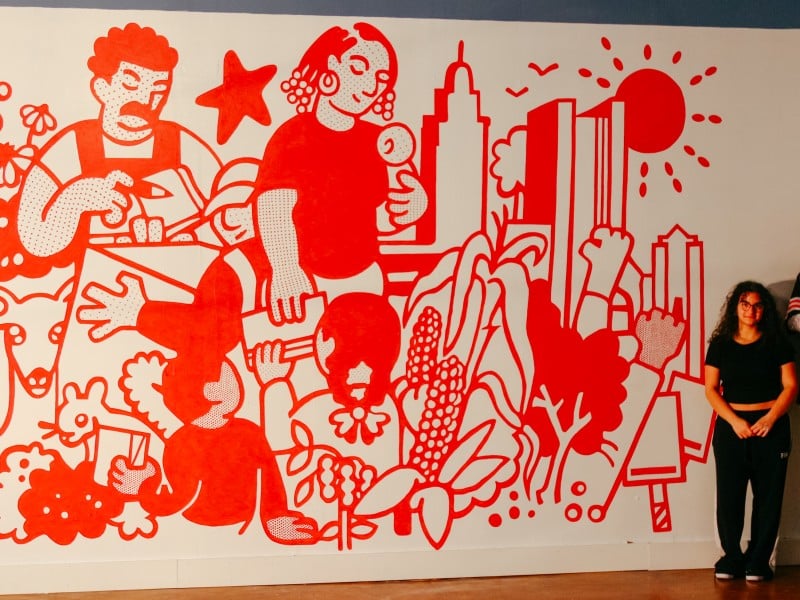
Resistance finds a home in the newly opened Columbus Liberation Center
The political organizing hub, located in a former Parsons Avenue dance studio on the South Side, will celebrate its grand opening on Saturday, Dec. 13.
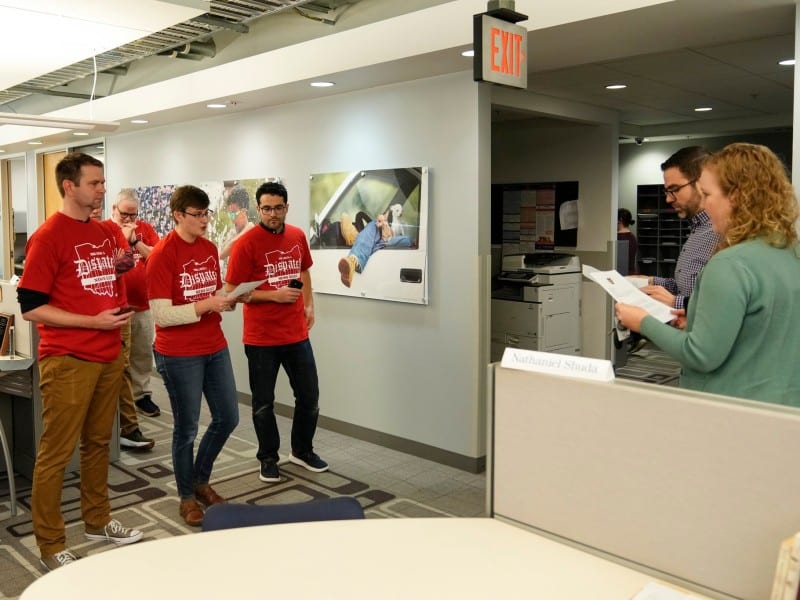
‘We would like to make a home for ourselves:’ Nearly 90 percent of Columbus Dispatch staffers sign union cards
Contract negotiations could include an AI clause following the 2023 sports debacle.