
Abel carves out more space for good vibes on ‘How to Get Away with Nothing’
The Columbus band embraced a softer, more spacious soundscape for its new record, which it will celebrate with a release show at Cafe Bourbon Street on Thursday, May 29.
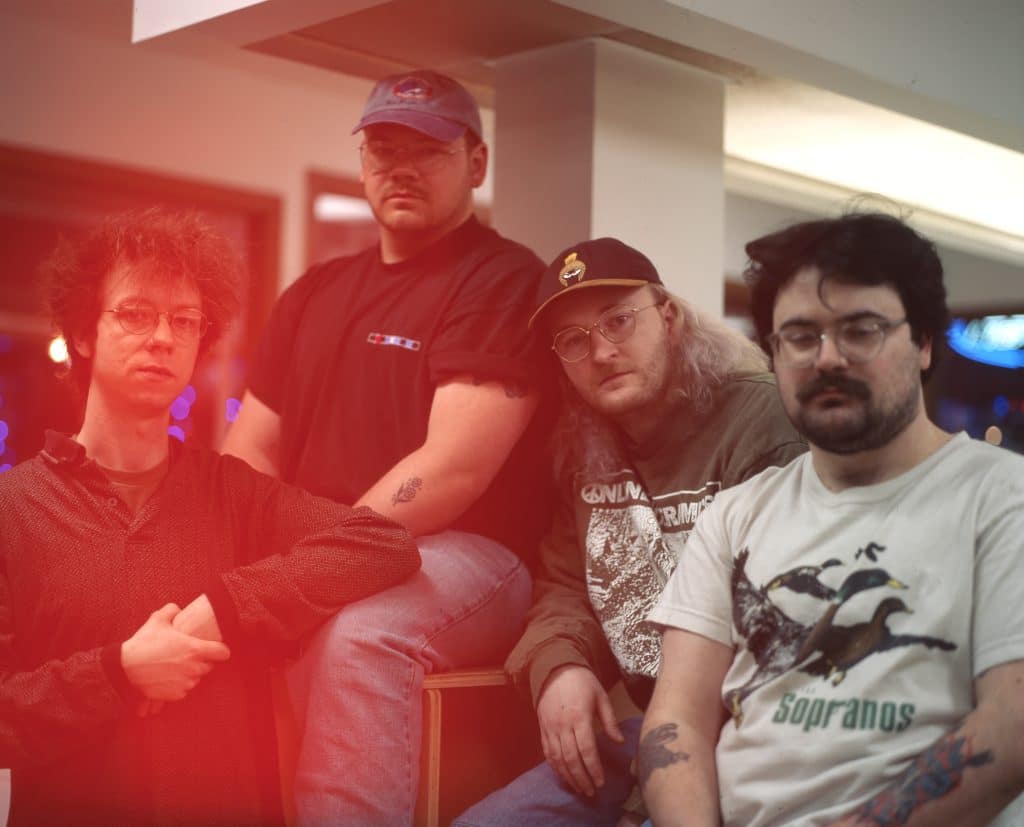
For Dizzy Spell, from 2024, the Columbus band Abel crafted a dense, shoegaze-leaning soundscape born in part of the headaches and the various emotional challenges singer and guitarist Isaac Kauffman experienced from childhood, the tangles of guitar serving both as a means to drown out these chronic pains and as a reflection of the deep-seated anxieties that occasionally left the musician feeling emotionally tied in knots.
The band’s new album, How to Get Away With Nothing (Candlepin Records/Julia’s War/Pleasure Tapes), could be described then as the sound of the weather breaking, this relative sonic tumult giving way to slower, more sun-kissed turns such as “Grass,” on which the singer expresses a desire to take off his shoes and finally feel the tickle of the lawn between his toes. In a late May interview, Kauffman and guitarist John Martino said the decision to venture into these calmer sonic waters stemmed from a confluence of factors that ranged from a desire to remain musically unclassifiable to the reality that Kauffmann is in a different mental space now than he was going into previous albums.
“I mean, vaguely, I think I’m on the upswing in dealing with those mental problems and anxieties and all of that, as well as just trying to hold a more confident and stress-free nature,” said Kauffman, who will join his bandmates for a record release concert at Cafe Bourbon Street on Thursday, May 29, supported by Clinic Stars, Gird and Feed. “And I think that made it easier to write lyrics that were more open and more poetic, for sure.”
A donation powers the future of local, independent news in Columbus.
Support Matter News
The vulnerability in the singer’s words is echoed in their presentation. On previous albums, Kaufmann’s vocals tended to be deeply obscured, buried somewhere well beneath buzzing, layered wasps’ nests of guitar. This time around, however, the vocals are higher in the mix – a comparatively naked presentation with which the musician needed time to come to terms. “It’s something where I’ve slowly allowed myself to get out of that hole,” Kauffmann said.
The pivot is captured most cleanly in the one-two punch of “Lung” and “Loathe,” the former existing as a reflection of earlier shattered days (“Can’t get up, I’m broken,” Kauffman sings) and the latter centered on a narrator determined to pick up the pieces in the hopes of finding a different, better way forward. “Why don’t I believe in myself more?” Kauffman sings atop an acoustic strum and fragile chimes that echo a hand-cranked music box, a few beats later adding, “Make peace with my thoughts and my nightmares/Come clean and breathe out and walk out the door.”
“I see Abel, from a personal perspective, as something that is a part of me, and my current mentality in life is just to be better, to do better,” said Kauffman, who landed on “Lung” early in the writing process, with “Loathe” emerging when he was further along in his healing. “I just want to make the world a better place, which is a super simple way to put it, but I think you can see how those ideas reflect in the music.”
Coming into sessions, the bandmates knew they wanted to take a different musical approach, ill content to follow in the footsteps of contemporaries who adopt a more uniform sound from one record to the next. “I personally have a lot of feelings surrounding the state of modern music, especially the indie and shoegaze realms, which I view as being a little too curated,” Kauffman said. “So, yeah, switching up was something purposeful to me as a songwriter just to get other ideas out, to expand my skills, to build on my sonic repertoire and see what I can do with this [guitar] pedal this time that I didn’t do last time.”
The decision coincided with a move to a new practice space at Dude Locker, which the musicians described as a longer, narrower room ill-suited to recording together in person. As a result, sessions for How to Get Away With Nothing took place remotely, the spaciousness that emerged within the music coming to mirror the physical distance between the players. Or is it the other way around?
“It’s like asking, what came first, the chicken or the egg?” Martino said. “Because the idea coming into the album was to slow things down and have more sonic space, and ultimately, the recording process reflected that.”
Author

Related Articles
The top 20 Columbus albums of 2025
Here are the albums this writer found himself returning to the most often over this last calendar year.
Jay Swifa just wants to make his teenage self proud
The rapper and producer will celebrate the release of new album ‘Palo Santo’ with a listening party at Rehab Tavern on Saturday, Dec. 20.
The paradox of Big Fat Head
The Columbus band, which released the excellent ‘Mind Your Head’ EP in late November, will perform as part of the Matter News benefit show at Cafe Bourbon Street this weekend, joined by Van Dale and Corey Landis & the Finer Things.