The revolution begins in the basement for Ezra Furman
By ceding control on new album ‘Goodbye Small Head,’ the musician, who visits Ace of Cups for a concert on Monday, July 14, uncovered a new kind of power.

In a press release, Ezra Furman described her new album, Goodbye Small Head, as “twelve variations on the experience of completely losing control.” Asked in a late June interview if this was a new idea for her, and if she was traditionally someone who needed to have a firm grasp of the steering wheel, she paused.
“Hmm, let me think about that. I think in some places in my life I’m a bit control obsessed, and that’s often been true in my art life, my music life,” she said, and then reconsidered. “Well, no, let me start that answer over. You can tell I’m grasping for control even in just answering this question, where I’m like, I’ve got to say exactly what I mean. But a lot of the most vivid and beautiful experiences of my life are experiences of losing control and surrendering to a large experience, a big feeling, and I think I needed this music to be for that. I needed this music to be a place to lose control and to really open myself to what I can only have if I let go.”
The narrators populating the album, in turn, are propelled in directions they don’t wish to travel (the urgent, string-driven “Jump Out”), beset by uncontrollable seizures (“I don’t hold the levers,” Furman confesses amid the lush, jazzy “Gran Mal”), and paralyzed by a fear that someone might see the cracks beginning to show (“You Mustn’t Show Weakness”).
A donation powers the future of local, independent news in Columbus.
Support Matter News
As a result, Goodbye Small Head resonates as a darker, comparatively insular record, more open to retreating than past efforts such as Transangelic Exodus, from 2018, which Furman described then as an album rooted in solidarity and the need to “stick up for each other when times get tough.”
Contrast that with the Small Head song “Submission,” which finds the musician singing, “We’re fucked, it’s a relief to say,” and which she initially resisted tracking because in that moment it felt as though she were somehow conceding.
“I was continually refusing to finish that song, like, no, no, no, no, no. No one needs to hear this. Every doom-scroller is already saying this,” said Furman, who visits Ace of Cups for a concert on Monday, July 14, joined by the Ophelias. “But actually, the song is about the relief and the grief and what comes after, and why it might be helpful to say we’re fucked. It’s about who you are after defeat and what you do next. That question is still alive, you know? … I can’t remember if it’s a popular phrase – revolution begins in the basement – or if it’s just a song by Dan Bern, who’s a big influence on me. But once you’re down there in the defeated zone, in the darkness and in the basement, that’s where the mushrooms grow. That’s where things ferment and become powerful again.”
Furman said this desire to temporarily retreat stemmed from the exhaustion that began to set in navigating a society in which the ground beneath her feet has continuously eroded, with trans people stripped of everything from their access to health care to their freedom of movement amid persistent legislative attacks aimed at rolling back civil rights protections for myriad groups, including people of color, immigrants, and the LGBTQ+ community. “And I was always like, I have to protect myself, and I have to protect everyone else, and I have to find a way to overcome this sense that we’re being shot at from all sides,” she said. “And I reached a point where I was like, I think I need a different skill, because I can’t singlehandedly beat back the forces of darkness.”
In going through this process, Furman also began to interrogate what she needed her music to be in this social and political moment both for herself and for others. There are urgent problems in the world, she said, and she debated if her music should serve as balm or otherwise advance the cause of justice, or if it was okay to step back and mourn, recover, and gather strength. “And I came back to what has always been my answer, which is that my music is a spiritual check-in with myself and with my audience, whatever that means,” she continued. “And sometimes that spiritual check-in involved rallying the troops, like what the Clash did to politicize people and show them they could be more globally culturally aware. … But there are other roles musicians are needed for, too, and sometimes it’s a spiritual check-in with beauty, or with fear.”
Furman has gone through myriad musical evolutions since she first surfaced in a tangle of riffs and yelps alongside the Harpoons nearly two decades ago. For Goodbye Small Head, the musician reconnected with these halcyon days, teaming again with producer Brian Deck, who helmed a pair of her early albums. This youthful era existed front of mind throughout the sessions, but particularly when Furman recorded her album-closing cover of Alex Walton’s “I Need the Angel,” with its lines about the lost dreams of youth.
“And I didn’t write that line (‘Whatever happened to those 20-something dreams?’) – a 20-year-old Alex Walton did – but in it I am engaging with my beginnings as an artist in some way,” Furman said. “My dream then was to get out of my life, get out of my head, get out of my childhood. Those were the young, deepest drives, to transcend the little cage I had somehow gotten myself into. And I think I’ve broken a lot of cage bars. … But there’s always more. There’s always a larger cage, and I want to get out of that one, too. There’s frontier after frontier.”
Author

Related Articles
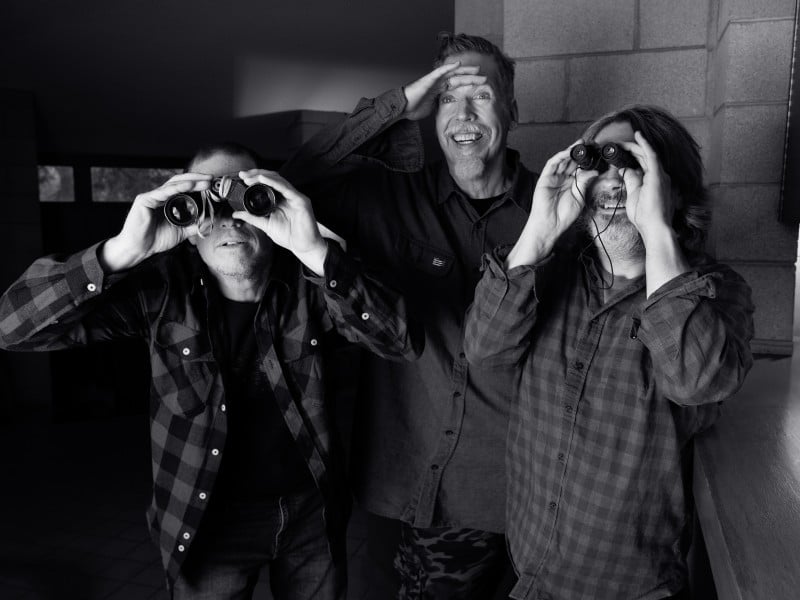
Eleven Plus Two = Twelve Plus One takes the long road to ‘Antenna’
The Columbus trio’s new album, out on streaming services this week, is nearly two decades in the making.

PeaceofMND brings listeners to the ‘LIGHT!’
The Columbus rapper views his new album, released in late December, as a needed antidote to dark times.
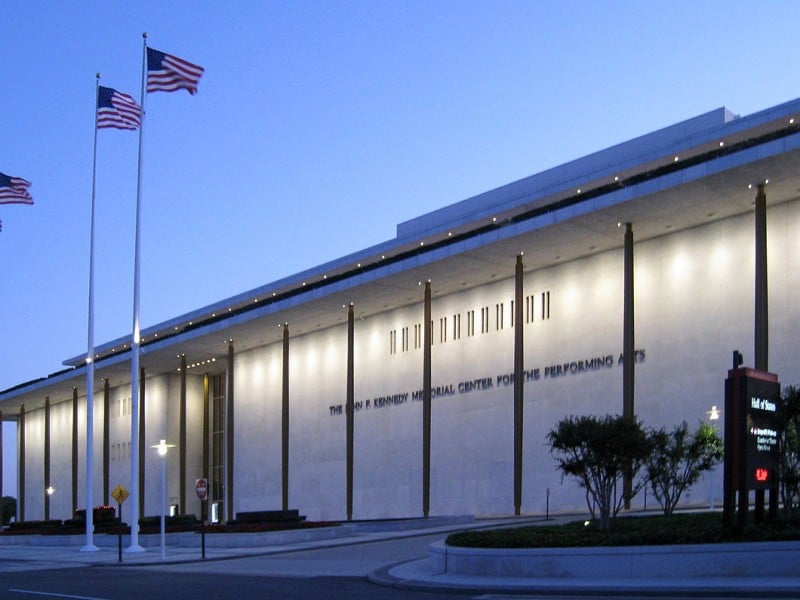
‘If we value the sacrifice they made, it should not be theirs alone.’
When in late December jazz musicians began canceling concerts at the Kennedy Center in the wake of President Trump’s name being added to the famed performance venue, Columbus musician Gerard Cox launched a crowdfunding campaign in the hopes of easing their financial burden.