
Always unpredictable MeatGrinder Poetry Slam provides poets a ‘canvas you can throw paint against’
Following a three-year absence, the poetry free-for-all returns to Kafe Kerouac on Saturday, Aug. 10.
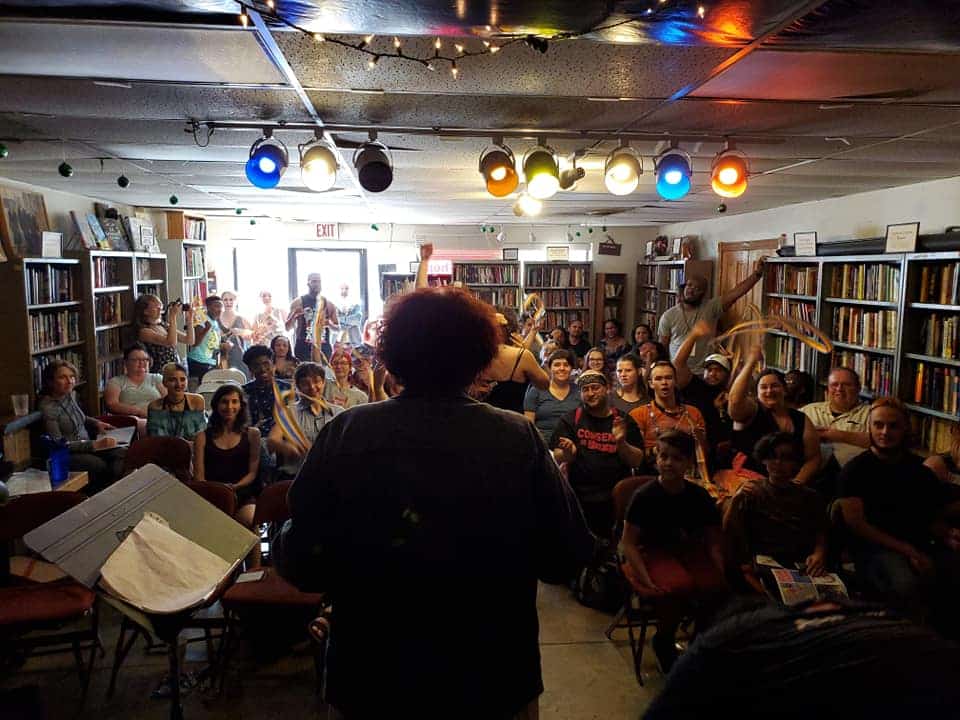
Louise Robertson knew organizers were onto something the moment a flashing, light-up dildo flew a triumphant arc across the room at Park Street Tavern during the inaugural MeatGrinder Poetry Slam in 2014.
Co-founded by Robertson and author and Matter News contributor Scott Woods, MeatGrinder originated as a local alternative to a rotating national slam held a couple of years in a row in California. “It was a way of addressing the challenges of what was then a weeklong national event,” said Robertson, who highlighted the difficulty Ohio poets had in taking extended time off of work and traveling cross-country to compete. “I remember having lunch with Scott, and I think I said something as small as, ‘We should do something.’ And by the end of the lunch, we had put together a vision. And the steps were really easy after that.”
MeatGrinder was shaped in part by what the two knew they didn’t want the event to be. Instead of a week, the two opted to confine the action to a single day. And where other poetry slams had rules in place that restricted the use of things such as props, costumes and audience participation, MeatGrinder encouraged this kind of outside the box thinking from the onset, pushing poets toward the more conceptual outer fringes in the creation of a piece.
A donation powers the future of local, independent news in Columbus.
Support Matter News
“In a national slam, you only have available what is on the stage, which is a mic. And it has to be available to everyone,” Robertson said. “The idea was to remove those limitations. And all of these things are designed to push the art, and hopefully to remove any of that focus on rules and nitpicking. In poetry slams, there tends to be a focus on certain topics, and what’s successful one year is going to be repeated in the years after, as humans do. We wanted something freer. And we wanted to get away from that idea of ‘Now I must do my very serious poem because I want the score.’ It’s more like, ‘Here, please try something new.’ This is the canvas you can throw paint against.”
Initially held at Park Street Tavern, MeatGrinder relocated in its second year to Kafe Kerouac. And now, following a three-year, Covid-fueled absence, the campus spot will again play host to the event, which makes its return at noon on Saturday, Aug. 10. Eleven teams are currently scheduled to compete, with four Columbus-based groups set to go against competitors from places such as Dayton (Dayton Poetry Table), Pittsburgh (Team Jones) and Fort Wayne, Indiana (Poets Who Use Portals).
At times during the event’s hiatus, Robertson questioned if MeatGrinder would return, pointing to the challenges organizers experienced in trying to wrangle competitors in 2019. And the ground has only grown more unsteady in the Covid-mutated years since, with the Columbus poetry scene in the midst of something of a sea change. In recent years, a couple of long-running weeklies have called it a day (Writers’ Block and The Poetry Forum), while at least one new kid on the block (The Poetry Cauldron) has begun to establish itself as a force.
“The loss of Writers’ Block and the Poetry forum definitely opened up some air in the room,” Robertson said. “All scenes change. … But that younger, Poetry Cauldron scene, I’m looking forward to seeing what they do and the new life that brings.”
Robertson can still recall the inaugural MeatGrinder, when there remained some slight trepidation about how participating poets might take to the degree of creative freedom afforded them – a worry that evaporated almost as soon as organizers threw open the doors. “They really took to it very quickly, which makes sense, because if you’re not down with this mission you’re not going to show up,” she said. “And once we saw that flashing, light-up dildo go sailing through the air, we knew for certain that people were up for trying new things.”
This reality has taken numerous forms over the years, materializing in poet-led audience dance numbers and expansive group readings. One year, Columbus poet Zach Hannah tattooed himself on the stage while performing. And another year, Su Flatt shaved their head while reciting a poem that lingered on modern beauty standards. Robertson has also gotten in on the act, once placing a coffin on the stage and then standing in the wings to read a poem centered on death, her voice echoing as if from within the grave. Another year, she read a poem about eating disorders while stepping on and off a scale in a steady cadence.
“You have as many approaches as you have poets,” Robertson said. “I remember one team that set up a table and chairs and then played Spades while they did a team piece. And then you have the people who design an entire piece around the visual. … One year, Alexis Mitchell bought a thrift store chair, because she’d written a poem about a chair that got smashed up, and then she destroyed the chair. So, yeah, it’s a lot of actualization of metaphor. And it’ll start with costumes and end with someone having a chainsaw onstage.”
Author

Related Articles
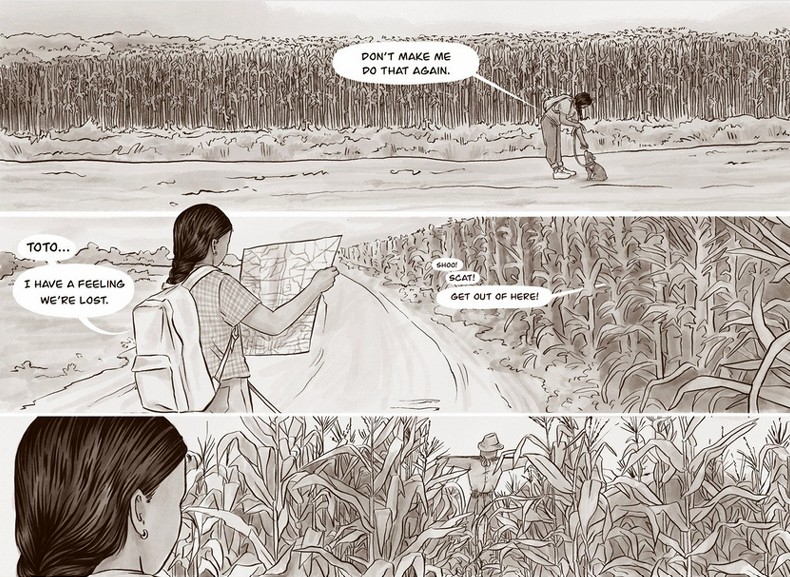
Angelo Thomas finds blue skies on the other end of the rainbow in ‘Somewhere…’
The filmmaker will join artist Rebecca Butterworth in celebrating the release of their new ‘Wizard of Oz’-inspired comic at Laughing Ogre from noon-2 p.m. on Saturday, March 14.
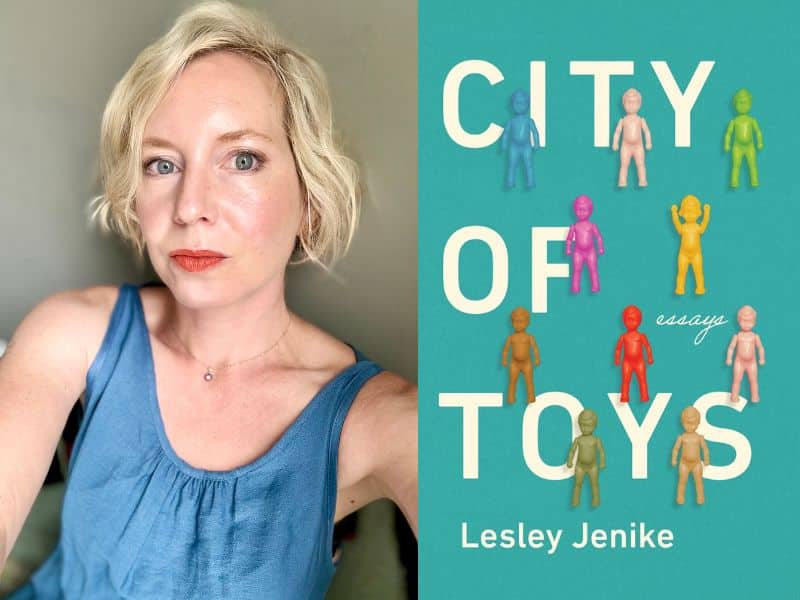
Lesley Jenike scrapes away the veneer with ‘City of Toys’
In her new essay collection, out today (Monday, March 9), the Columbus author said she opens up ‘in a way I don’t in my everyday life.’
Fifteen years in, Ken Eppstein remains committed to Nix Comics
‘There’s just the improbability of 15 years, and all of the things that have to happen to end up where I am now, doing what I’ve done, and doing what I continue to do.’