
Caitlin McGurk helps bring cartoonist Barbara Shermund back to life
In the deeply researched, beautifully written ‘Tell Me a Story Where the Bad Girl Wins: The Life and Art of Barbara Shermund,’ Billy Ireland’s curator of comics and cartoon art shines more light on a once-forgotten artist.
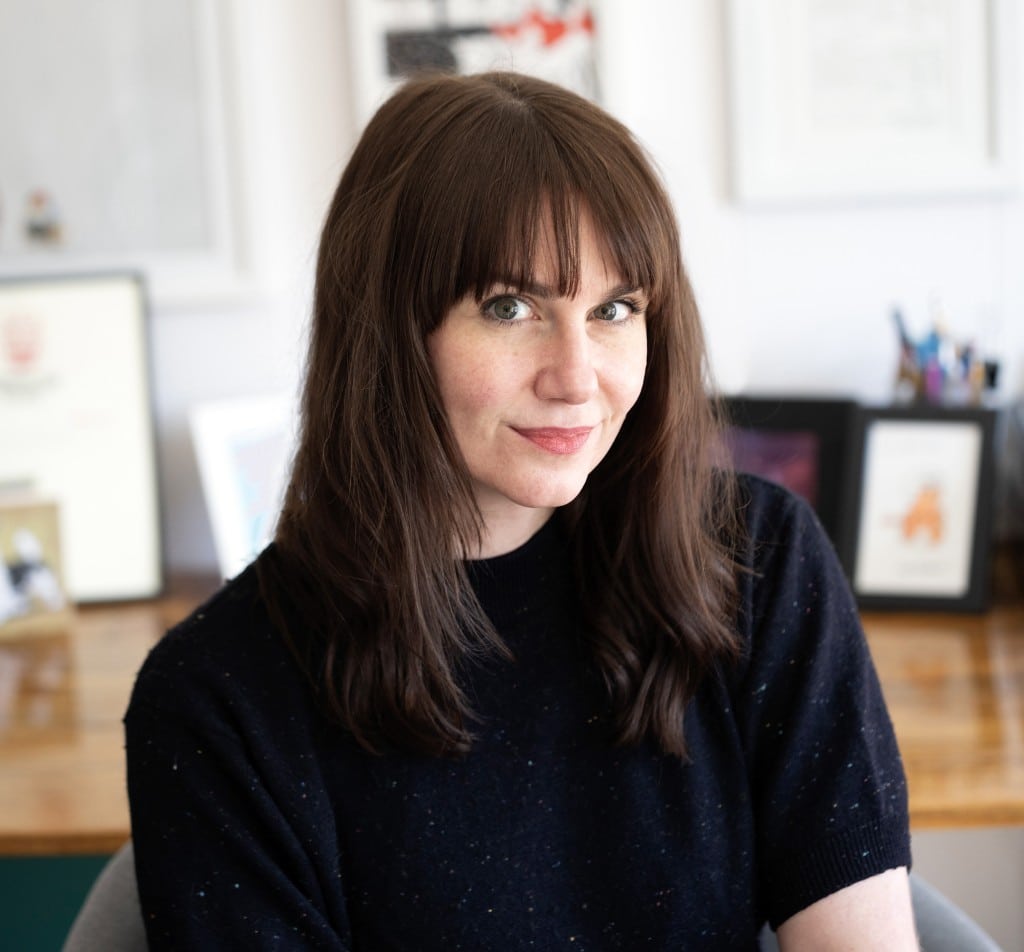
Caitlin McGurk first discovered the art of Barbara Shermund after starting a job at the Billy Ireland Cartoon Library & Museum in 2012. At the time, McGurk had just moved to Columbus from New York, and in those early months she spent countless hours combing through the museum’s expansive archives.
“I couldn’t believe I had never heard of this artist before,” said McGurk, who was initially struck by the humor in Shermund’s cartoons and how contemporary the subject matter felt despite having been created nearly 100 years earlier. “And when I found so little information about her readily available, that was kind of the hook for me. I tend to be drawn to an underdog story.”
This initial twinge of interest launched McGurk on a 12-year odyssey that first resulted in a 2019 retrospective of Shermund’s work at the Billy Ireland and more recently culminated in a new biography of Shermund penned by McGurk, Tell Me a Story Where the Bad Girl Wins: The Life and Art of Barbara Shermund (Fantagraphics), which the author will celebrate with a release party at Seventh Son Brewing on Thursday, Nov. 14.
A donation powers the future of local, independent news in Columbus.
Support Matter News
Shermund’s prior erasure from the comics canon can be attributed to the reality that many early accounts of cartooning’s history were written by men and focused heavily on the (mostly male) artists who existed within their narrow worldviews. And early in Tell Me a Story, McGurk recounts a handful of these tomes from which Shermund was either excised or incorrectly identified.
In Hugh Merrill’s 1995 book, Esky: The Early Years at Esquire, which covers the decades during which Shermund was a regular contributor to the men’s magazine, she is mentioned only once, as “Beverly Shermund.” In Fred E. Basten’s 1996 book The Lost Artwork of Hollywood, a poster illustration created by Shermund for the 1943 film “Du Barry Was a Lady” is credited to “Helen Shermund.” And in Dale Kramer’s Ross and the New Yorker, from 1951 and among the first books to document the history of the magazine, Shermund isn’t mentioned by name but rather as “a pretty girl not long in from California.” This despite Shermund having made north of 1,200 appearances in the magazine through the 1920s and ’30s, including 600-odd cartoons, nine color covers and countless other assorted illustrations. (McGurk landed on these figures by going page by page through the New Yorker archives – an exhaustive, six-month process.)
“And that makes it easy for people to think that women have never been part of [cartooning], which is not true. They’ve been here since the beginning,” said McGurk, an associate professor and the Billy Ireland’s curator of comics and cartoon art, who credited books by female authors Judith Yaross Lee (Defining New Yorker Humor) and Liza Donnelly (Funny Ladies) with serving as essential earlier correctives. “I want to try very hard through all of my scholarship to rewrite the history of the medium. And also, I know you haven’t seen the actual book yet, but it’s huge. It’s physically gigantic. And that is intentional. I wanted it to be imposing. … I wanted something that felt like you cannot ignore this. You’re going to have to think about this artist every time you move this book.”
McGurk’s task was made even more challenging by Shermund’s inherently private nature, which left more limited physical materials upon which she could draw and sent her on a years-long, coast-to-coast scavenger hunt, of sorts, stretching from Shermund’s childhood home in San Francisco to the coastal town of New Monmouth, New Jersey, where Shermund died alone, her ashes interred for 35 years at the John F. Pfleger Funeral Home following her 1978 death. (McGurk helped to spearhead a successful 2019 crowdfunding campaign to have Shermund’s ashes relocated and buried alongside her mother in a plot outside of San Francisco.)
And yet, the book that emerged from this exhaustive research is innately detailed, with McGurk writing how the floor in one of the early San Francisco apartments Shermund shared with roommates “sagged perilously below their feet because of the [1906] earthquake.” And when McGurk unravels the passing of Shermund’s mother, Fredda, who died of Spanish Flu at age 39 in the early months of the 1918 pandemic, it hits with the weight of a cinder block to the chest. “Barbara was now nineteen and motherless,” she writes. “The exalted only child, who had admired so deeply her mother and lived by her example, now stood at the precipice of the rest of her life without a map.”
While first drawn in by the unknowns that surrounded Shermund, McGurk’s interest in the artist evolved and deepened throughout the course of her research, magnified by the myriad parallels she came to view in their lives. Like Shermund, McGurk lost her mother at an early age. And like Shermund, McGurk made the choice to not have children. “And I think all of these little hooks made me feel more deeply connected to her,” said McGurk, who would later find herself writing about the 1918 pandemic at the dawn of Covid. “And that made it an even more immersive experience, writing about that time period she was living through while we were all experiencing this. … It’s all been extremely personal. And I’m certainly not a religious person, but for whatever it’s worth, I’ve felt very guided through this whole process.”
When McGurk happened upon those first Shermund cartoons a dozen years back, she was struck by the artist’s sharp, radical sense of humor and her uniquely feminist perspective – traits that led Liza Donnelly to write that Shermund’s “women did not seem to need men.” These ideas have taken on renewed importance in the aftermath of a presidential election that has seen a surge in grossly misogynistic attacks against women (“Your body, my choice”), with the attitudes reflected in Shermund’s cartoons and captured vividly in McGurk’s book feeling as needed now as when they were first drawn.
“I think it’s incredible to see how many of the cartoons she made almost 100 years ago are talking about the same issues we see today, even with simple jokes about mansplaining,” McGurk said. “She was kind of the original child-free cat lady, so it does feel like her work is resonant in this really new and important way.”
Author

Related Articles
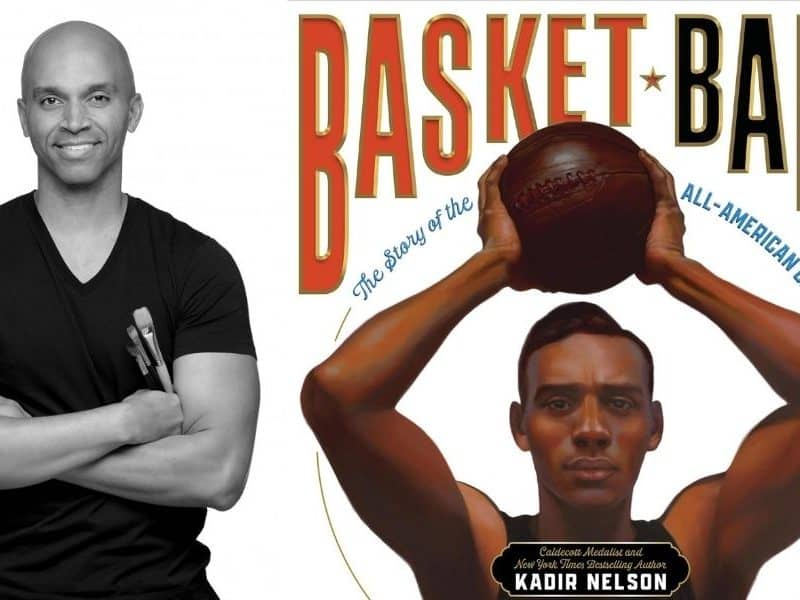
Kadir Nelson still driven by a love for the game
Following the release of ‘Basket Ball: The Story of the All-American Game,’ the celebrated artist and picture book author will appear in conversation with fellow roundball aficionado Hanif Abdurraqib at King Arts Complex on Wednesday, Jan. 14.
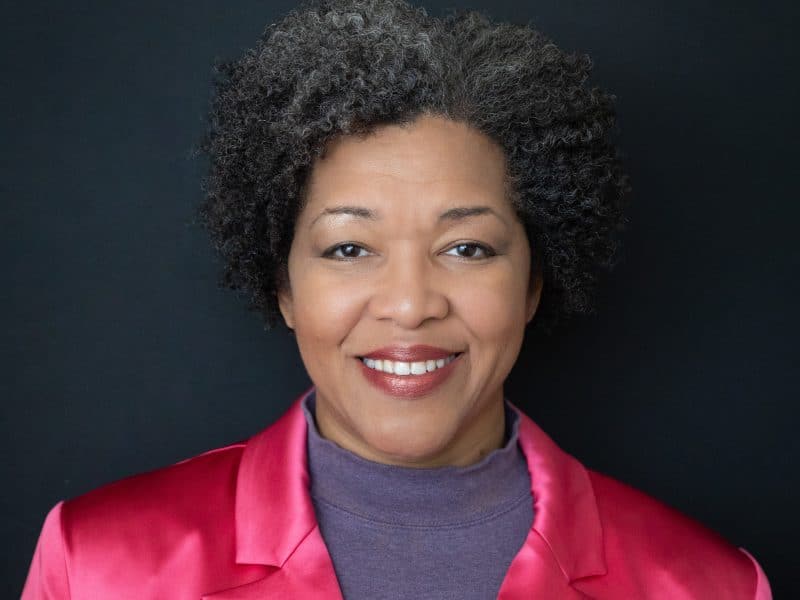
Leslie Battle seeks, finds connection in ‘From Spark to Fire’
The Columbus poet will read from her forthcoming collection at Streetlight Guild on Sunday, Dec. 7, joining the likes of Karen Scott, Marquita Byars, Schyler Butler, Rachael Scott, and Miccau McClelland.
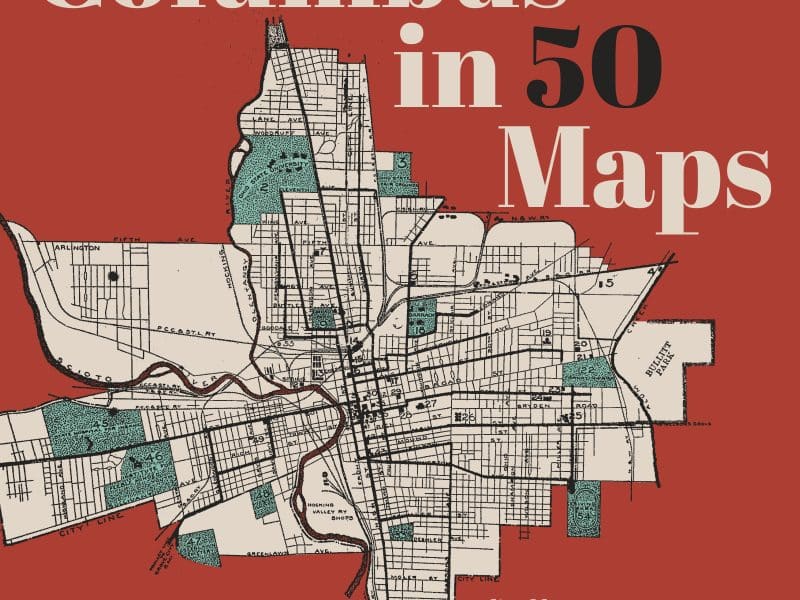
Brent Warren puts Columbus on the map
The longtime local reporter will celebrate the release of ‘Columbus in 50 Maps’ at Prologue Bookshop tonight (Tuesday, Dec. 2).