On Development: Traffic violence is more than an accident
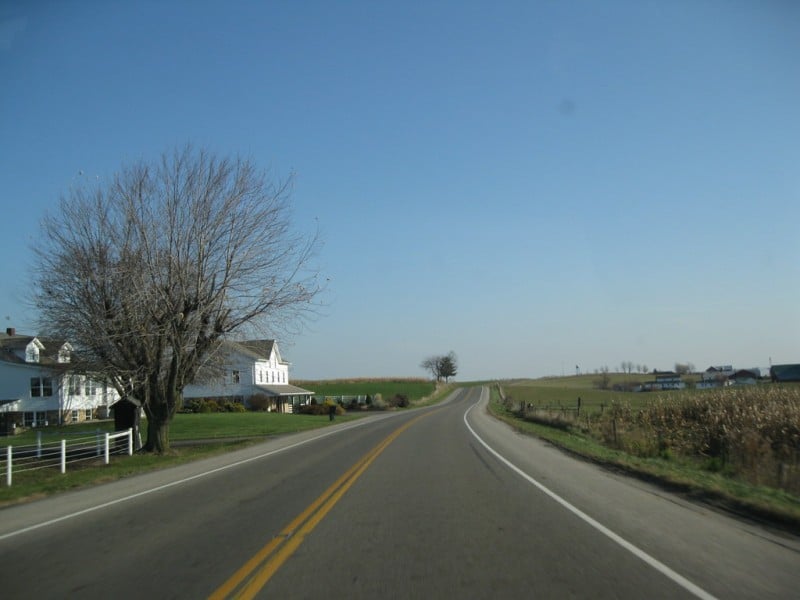
Traffic violence is not a term in common usage. But it’s a whole lot more accurate than “accidents” – a benign misnomer for the carnage that can take place on our streets and highways.
While designed to enable small and large developers to meet the needs of a growing city, Zone-In stops short of encouraging some of Columbus’ development needs.
The Columbus Metropolitan Housing Authority's recent decision to purchase a large downtown property nearly a decade after stepping back from that model emerged from being caught in a swirl of a growing need for affordable housing, changes in federal policies, and new ways of looking at housing needs.
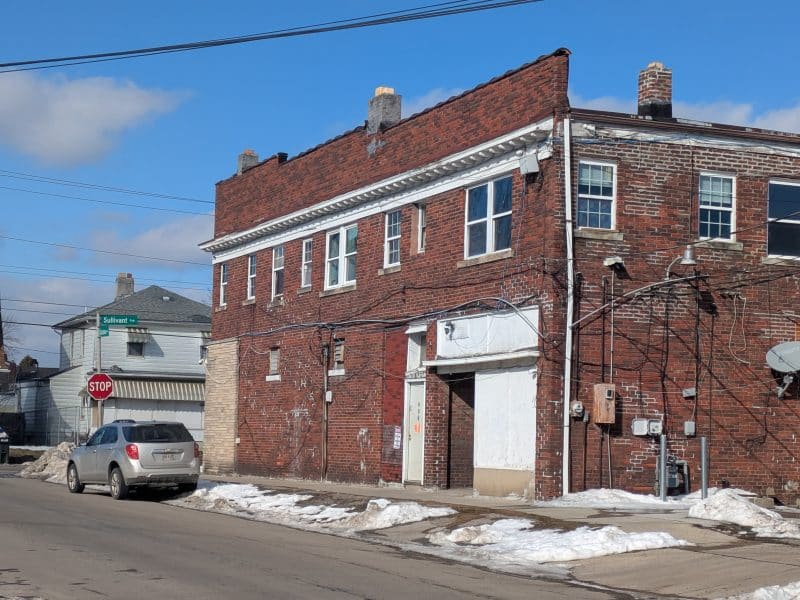
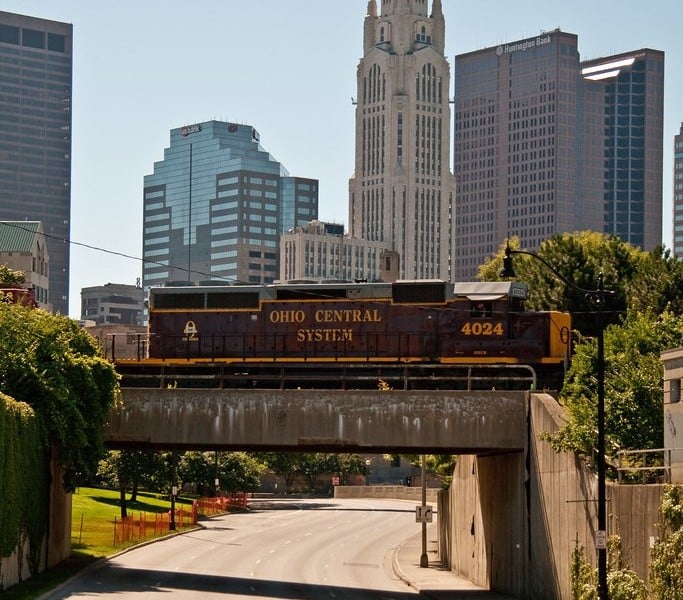
City maps show that by 1872 Columbus had grown well beyond that core along the Broad and High axes. Instead of neat, four-corner intersections of cross streets, the city’s main thoroughfares were broken into dogleg intersections.
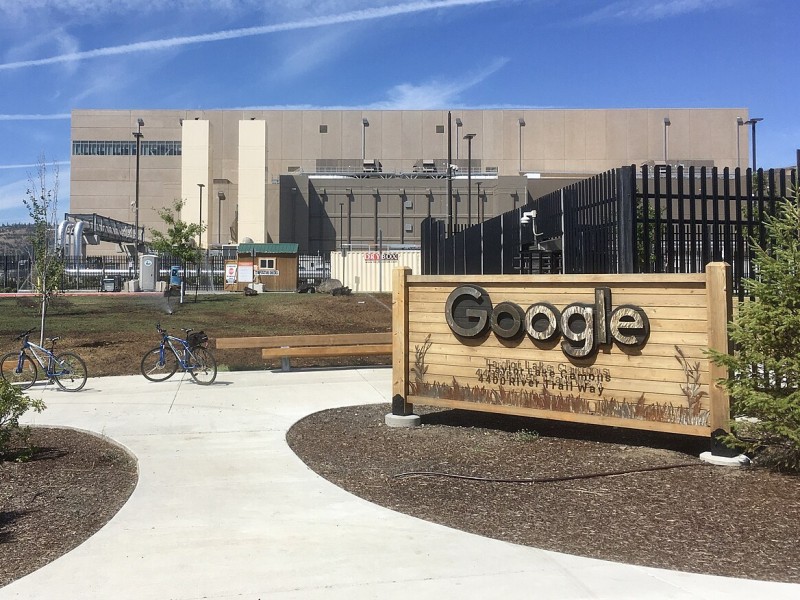
Data centers and the plastic production industry come with high costs to the public in terms of both dollars and negative health impacts.
In recent weeks, Rambling House announced it would shutter, WitchLab began to look for a new building pending an eviction, and TempleLive closed unexpectedly, throwing the future of downtown venue the Athenaeum into question.
Thanks to JobsOhio, out-of-state companies such as Amazon, Veo and Spin can invest little in Columbus and pull a lot of profit out of it.
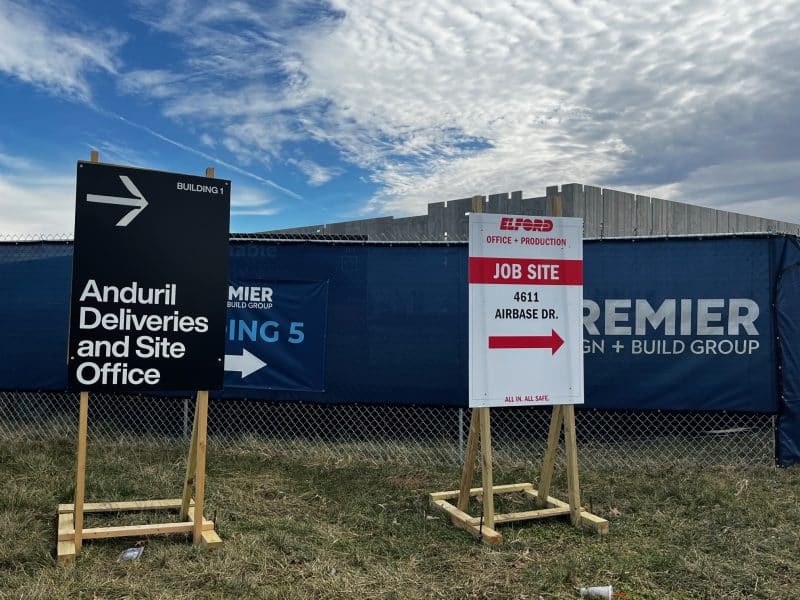
If and when Palmer Luckey’s Erebor and Anduril open, residents and policymakers will have to ask what kind of future these right-wing capitalist ventures will usher in at a local level
Construction of I-70 and I-71 in downtown Columbus and surrounding neighborhoods ripped the hearts out of neighborhoods, taking and destroying privately owned property and replacing those communities with tax-sucking superhighways.
The quality of life in our cities should be of interest to us all, and the more we know, the better we can contribute to the necessary dialogue.