The city needs to find ways to support economic development and build more housing without so readily awarding tax breaks, and that means bringing in new perspectives.
It’s very easy for owners to pay low taxes on decaying properties while waiting for somebody else to begin a resurgence. A proposed move to a land tax would make it harder for these squatters to wait.
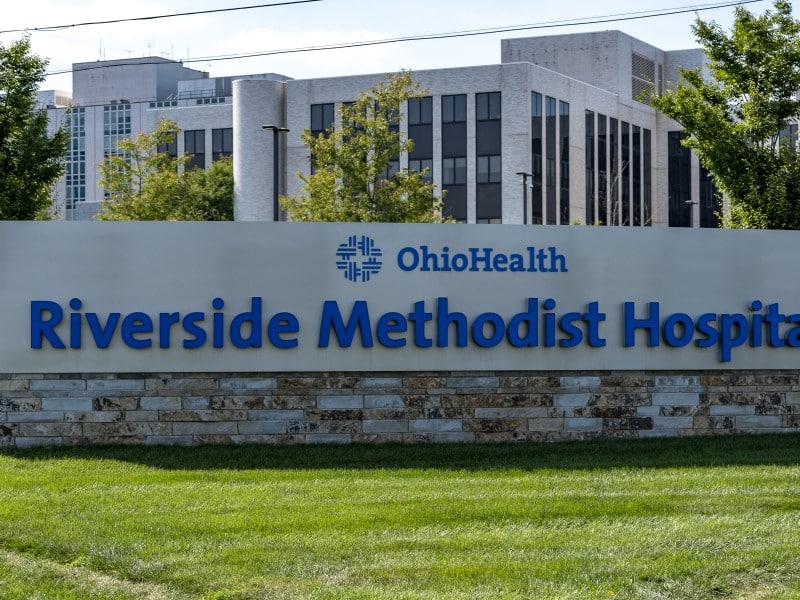
Despite the hospital construction projects all over the state, residents across most of Ohio are no closer to health care – and many are even further removed from hospitals.
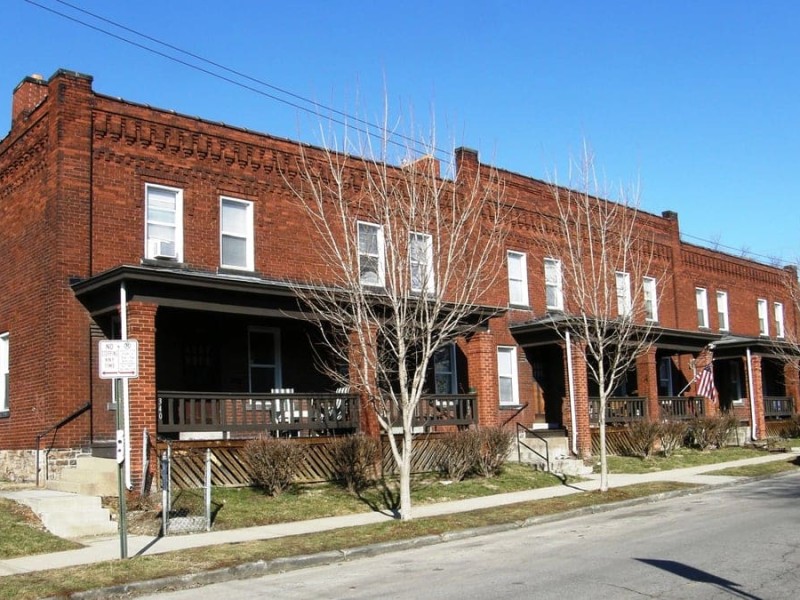
Many developers and sellers confuse demand for a certain type of housing and a willingness to buy. There are hundreds of thousands of people in central Ohio who prefer older houses and apartments.
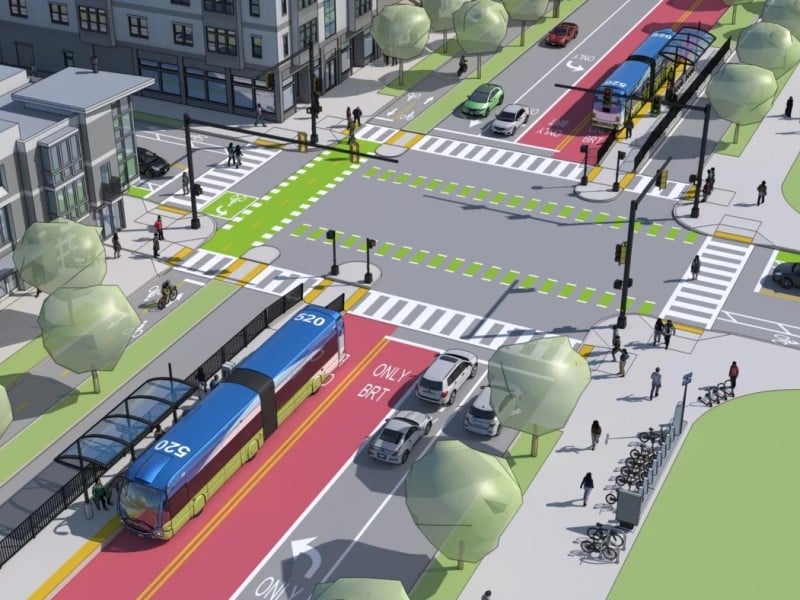
The billions of dollars of new road improvements cited in MORPC’s analysis 26 years ago have already been spent, and now we’re still looking at the same challenges with more people and more roads.
Traffic violence is not a term in common usage. But it’s a whole lot more accurate than “accidents” – a benign misnomer for the carnage that can take place on our streets and highways.
The conversations taking place in the wake of Tiara Ross defeating Jesse Vogel for a seat on Columbus City Council suggest the city might finally be shaking off its history of complacency.
While designed to enable small and large developers to meet the needs of a growing city, Zone-In stops short of encouraging some of Columbus’ development needs.