The Other Columbus: Getting over on your local thirsty artist
The city generally feels like an ATM for rich developers, and our arts infrastructure functions in much the same manner.
With a new Republican administration swinging the scythe of conservative austerity through our freedoms, histories, and even citizenship itself, you can pretty much count on arts funding finding its way onto a chopping block in the near future. Look no further than Florida Gov. Ron DeSantis’ spiteful decimation of state funding for the arts in the state’s 2025 budget. Considering how easy it is to wield as a tool of moral control, it’s a wonder we haven’t seen all of that new arts money floating around begin to dissipate.
What arts funding, you say? Don’t you know? National arts funding got a bump in the last few years. As state and local economies began recovering from the pandemic, joining a wave of federal relief funds, arts funding from 2022-23 quietly received a nice shot in the arm. We’ve seen some of this action here in Columbus in the past couple of years, which is why there were suddenly town halls and panel discussions about things like public art and adjustments to artist grants. There was money to spend at levels previously unseen, which sounds like a great thing for arts and culture.
The problem? Our local microcosm of the art world is primarily a function of capitalism. Most art sectors are, but the strains are different from place to place, and our strain is powerfully insular and self-serving. Columbus generally feels like an ATM for rich developers, and our arts infrastructure functions in much the same manner. Columbus’ arts sector capitulates more toward funding than culture building. There may be a greater sprinkling of that funding – so, more individual grants, more short-term residencies, etc. – but not in amounts that move the needle on the development of our arts scene or in the lives of artists.
A donation powers the future of local, independent news in Columbus.
Support Matter News
Institutions put on marketing goggles in attempts to figure out how to make our city look more hip without using very much of the magic that actually resides here. All of this hustle for funding first/art second perpetuates the already grave scarcity mindset we see in so many of our art spaces and artists. The system makes us act like scavengers whether we have a little money or lots of it. The toolbox never changes at the institutional level. More happy hours, more merch, more sell. Less art, less buy-in, and less cultural investment locally. Some spaces would argue that there is more of the good now than there has ever been, to which I would respond that incrementalism is a poor action plan.
Artists are generally a thirsty species. We will give up a lot of valuable things for a potential sip of even dirty water. We will take all the bad gigs, buy the exposure rap, and spend good money we don’t have on artistic Ponzi schemes and snake oil salesmen. Some of us will give up all kinds of perfectly good art for even less than a sip. (As a poet, I can tell you that we are by far the thirstiest of the creative race. We will read every poem we own for absolutely nothing if it means we get to post a fuzzy picture of ourselves doing so to an empty room.)
But our art spaces are thirsty, too. Too many of them treat the art as secondary – a cultural means to a financial end. As the owner of an art space, I get that sustainability is the chief priority. Ain’t no art if there ain’t no lights. But the work of artists is too often underutilized as a key to achieving such support.
My venue survived the pandemic entirely on the support of the community, and people did so because they believed that the work we were doing was something that should be around for a long time. Art is not a byproduct of how great my marketing plan is or how much capitalism I can cram into our business model. It is the entire reason why we exist, and I treat it as such.
Of course, too many art spaces count on our thirst, using our art as ambient noise and wallpaper to pad out their next fundraiser. Lord knows there will always be someone that will take the gig, so nothing changes substantially in the interest of the artists. Artists can expect an avalanche of increasingly negative outcomes and experiences if we don’t resolve the imbalance of our thirst to be seen against the hustle of the arts industrial complex to capitalize on a (for now) increased level of support. Things like:
- -Amenities attached to art that have nothing to do with art.
- -More assembly line gallery representation.
- -More formalization around art language.
- -More sprinkling of culture on top of development agendas.
- -The push to redefine artists as entrepreneurs.
- -More mainstream/flattened art intended to “meet audiences halfway.”
- -More revolving door art boards.
- -Business and economic experts in charge of art spaces.
- -Less art criticism.
- -Less freedom for artists to make the art they and/or the world needs.
- -Art districts with little art.
- -More middlemen (gatekeepers, consultants, contractors).
- -Less diversity in the artist pool while claiming peak diversity.
- -More unnecessary terms for things that already exist (experience, project, master builders; when you mean party, coworker or Burning Man).
Art has a value that supersedes how much an artist gets paid to create a work. It has social and political value so integral to the exercise of liberty, free speech and communication that it should be treated as a social service. But until we figure out how to quench the artist’s thirst against systemic art mismanagement, we’ll keep throwing money – and art – at a problem they can’t fix.
Related Articles
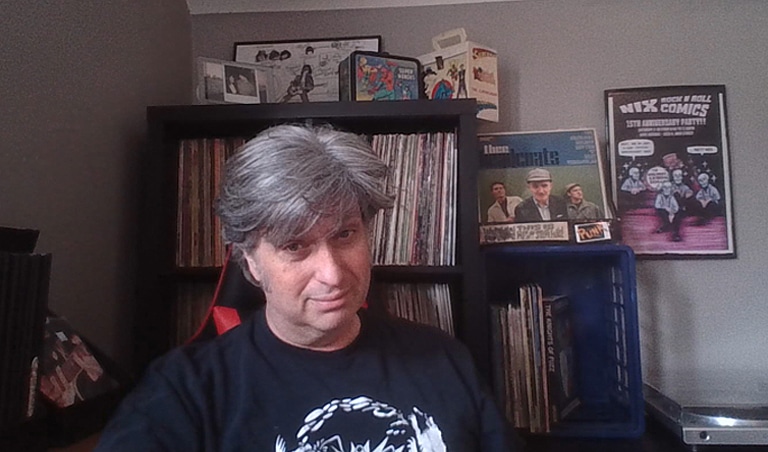
Fifteen years in, Ken Eppstein remains committed to Nix Comics
‘There’s just the improbability of 15 years, and all of the things that have to happen to end up where I am now, doing what I’ve done, and doing what I continue to do.’
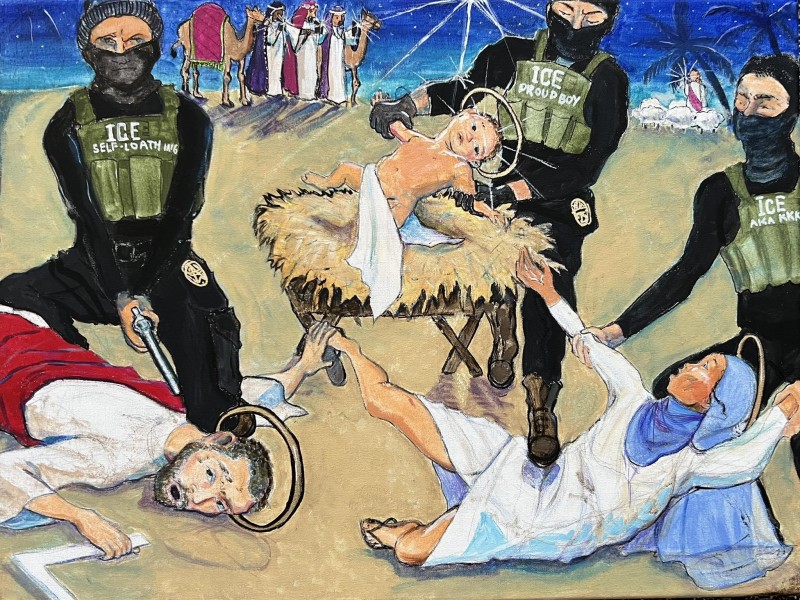
Gaye Reissland leaves no doubt about the circumstances shaping her work
The Columbus artist, who will take part in Aminah Day at the King Arts Complex this weekend, has taken to writing on the back of each canvas, explaining in detail the circumstances that gave rise to her paintings.
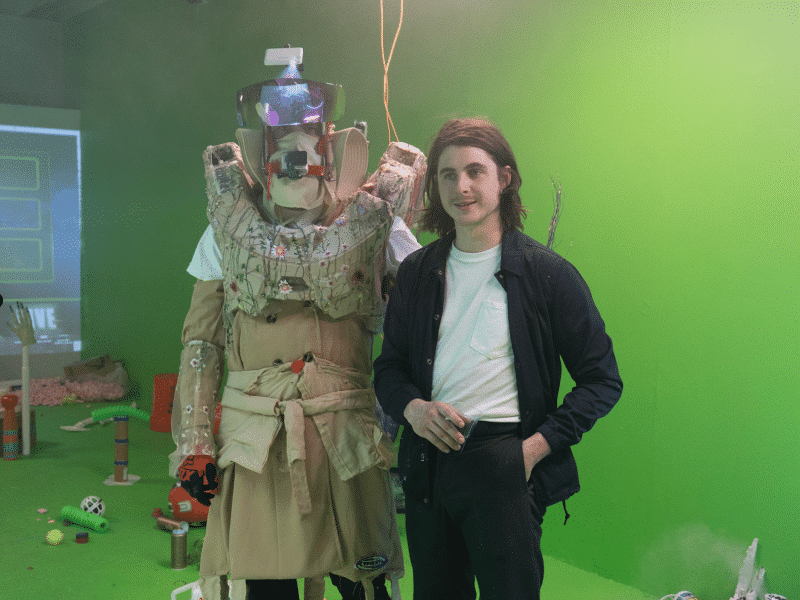
No Place Gallery turns 10
‘Between Fields and What Isn’t: A Decade Inside No Place’ will take over a pair of galleries beginning on Thursday, Feb. 12, with an opening reception running from 4-7 p.m. at Beeler Gallery and then continuing at No Place from 7-9 p.m.