
‘If the adults don’t, kids will’: Columbus students continue to protest ICE
‘I definitely think this is only the beginning, and it’s going to grow bigger and more powerful as more people speak up.’
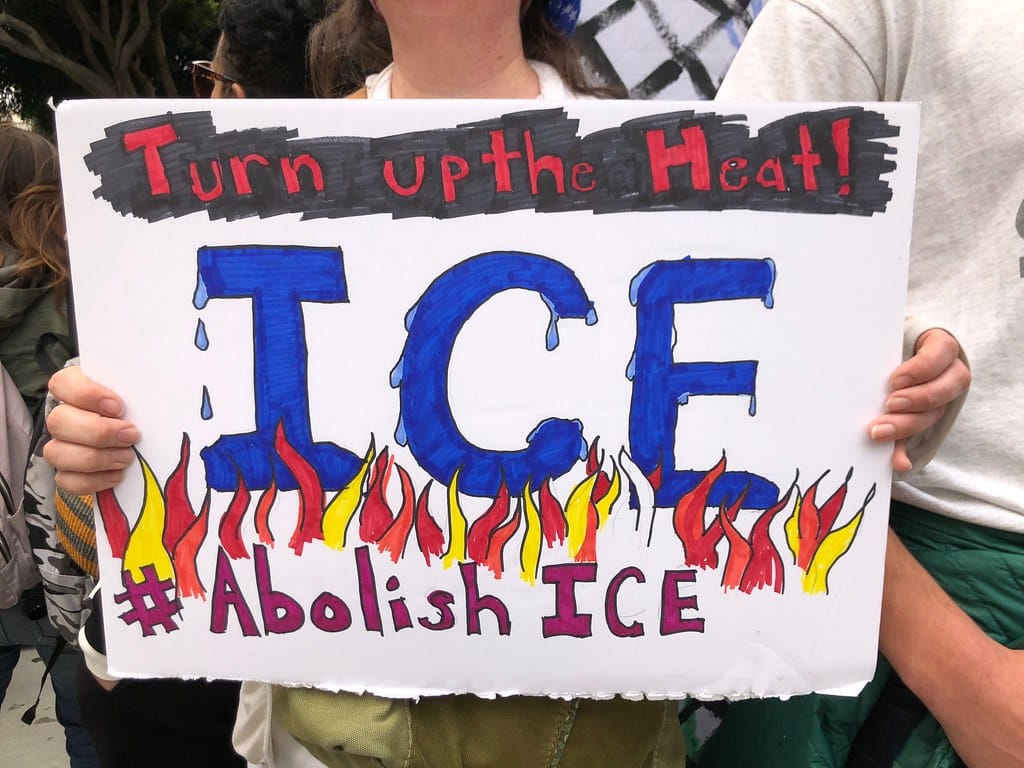
In early January, students at Dublin Scioto High School spearheaded a walkout in protest of the actions being undertaken by U.S. Immigration and Customs Enforcement (ICE).
And the kids haven’t stopped since.
In recent weeks, Columbus students have staged walkouts at Upper Arlington High School, Whetstone High School, Westland High School, Hilliard Darby High School, and Fort Hayes Arts and Academic High School, among others – part of a growing national trend. Meanwhile, organizers at Columbus International High School said a walkout in protest of ICE planned for last week had to be postponed when a winter weather advisory led to an early dismissal, sending students home 30 minutes before the action’s planned 2 p.m. start.
A donation powers the future of local, independent news in Columbus.
Support Matter News
“And it was so stressful, because we spent the whole morning going around, like, ‘Today! Today! Today!’ And then at lunch, they were like, ‘Hey, by the way…’” Columbus International student Hera said in early February of the aborted walkout, which is now set to take place today (Thursday, Feb. 12), along with a simultaneous educational sit-in for those students who want to take part but are uncomfortable with leaving the building.
“We wanted to make sure we had safety precautions and were going about it in a very caring and thoughtful way,” said fellow Columbus International student organizer D’Nice, who was inspired to action in part by a desire to serve as a role model for her younger sister. “There’s going to be an informational session, and we’re going to have different resources to talk to people about what to do if they’re approached by ICE, or if someone they know is taken by ICE.”
In Columbus, at least, the student protestors have been supported by educational leaders who have also spoken out against ICE. John Coneglio, president of the Columbus Education Association, released a statement in which he condemned “the ongoing occupation of American cities by ICE and other federal agencies.”
“Let’s be clear, unidentified masked federal agents with assault rifles grabbing our neighbors off the street based on nothing more than the color of their skin or their accent flies in the face of the American values we teach and makes our schools and cities less safe,” Coneglio said. “As educators, our priorities are the safety of our students and providing a world-class education regardless of nationality or immigration status. The current federal campaign of fear and terror makes our jobs far more difficult.”
In interviews, Hera and D’Nice both said conversations about ICE began in earnest last fall, with the students moving to take more concrete action in the aftermath of federal agents killing Keith Porter Jr., Renee Good, and Alex Pretti. The decision was further buoyed by the realities of student life at Columbus International, where, according to the school’s website, more than 75 nationalities are represented within the student body.
“Because we are an international school, it’s more high-risk,” said D’Nice. Owing to this, organizers created flyers with information on the protest in five languages, in addition to creating signs for the walkout emblazoned with slogans such as “If the adults don’t, kids will” and “Students against ICE.”
According to organizers, the fear and terror inspired by ICE’s ongoing campaign have already been keenly felt within the North Side school. Hera said she knows at least two students who have had relatives recently taken, and she recalled the day just before Christmas break in December when federal activity was reported just down the road from the campus. “So, we had to do a safety evacuation, of sorts, where we left our classes early and we had teachers out there with us making sure we were safe,” Hera said.
And yet, the same diverse demographics that have led students at Columbus International to fear federal targeting have also made it easier to organize the student body against ICE, with Hera noting that the only tensions arose when those working on the walkout bumped up against another group staging an adjacent protest action. “And we were all so confused, because we kept getting all of this different information, because we didn’t know anyone else was doing anything,” Hera said, and laughed. “But it ended up being pretty cool, and we spent an entire day meeting to see how it was going to work.”
Both Hera and D’Nice acknowledged that it can be easy to feel powerless as a young person living in tumultuous times. But in organizing at least some pushback against the brutal immigration policies currently being enforced by the Trump administration, the youths said they have reclaimed some power, along with a hope their actions could spark more people to take a stand.
“Sure, our protest might not abolish ICE,” Hera said, “but it will let others know there are more people who want this to stop.”
“There are so many people who don’t think teenagers care about what’s going on, and maybe those people seeing us do this will spark a whole different movement,” D’Nice said. “Maybe because we started something, the adults will want to take action, too. … I definitely think this is only the beginning, and it’s going to grow bigger and more powerful as more people speak up.”
Author
Related Articles

Ripped to Shreds is ready to hit the runway
The new resale shop, created in partnership between artist and musician Courtney L. Hall and Used Kids owner Greg Hall (no relation), will celebrate its grand opening on Sunday, Oct. 11.
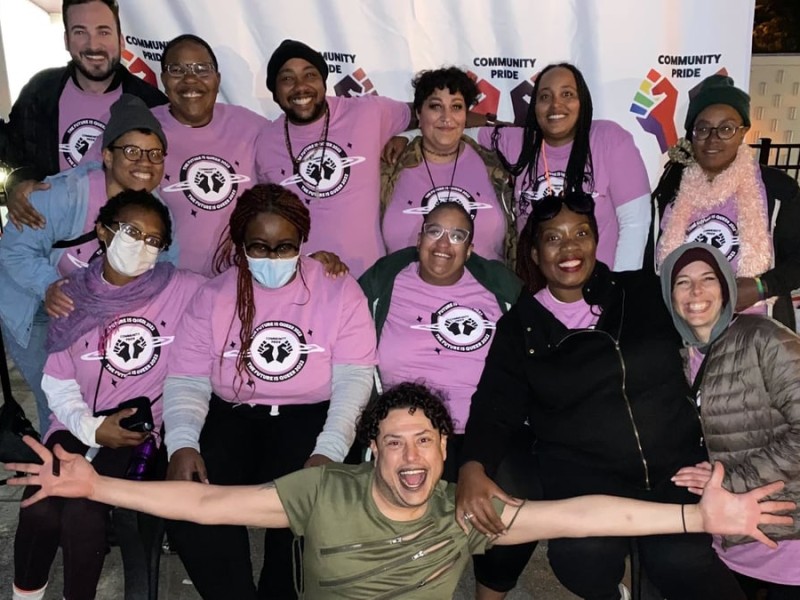
Community Pride returns with a new urgency
Now in its ninth year, the volunteer-run festival takes place at Mayme Moore Park on Saturday, Oct. 10.
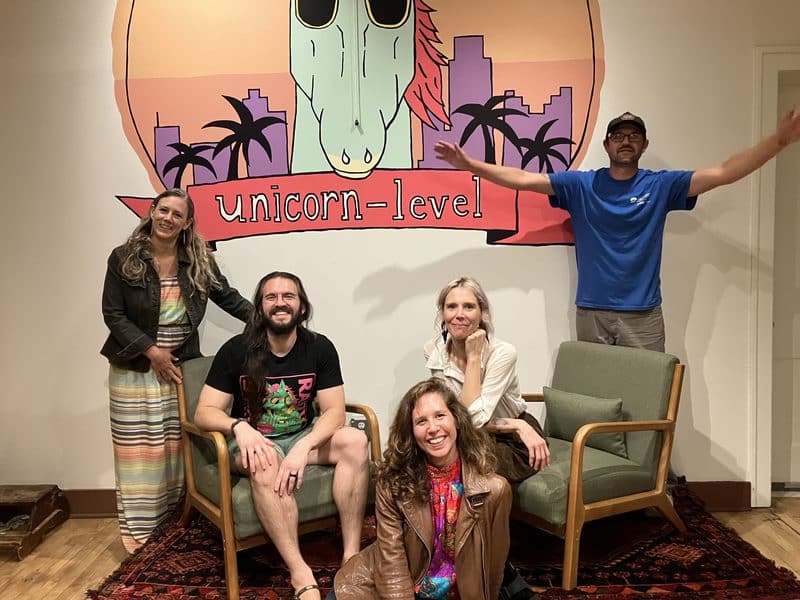
Two Dollar Radio HQ reopens with an expanded ownership group and a similarly expanded vision for the future
‘I think a big part from opening was to give authorship of the space to people with good ideas, to open the doors to people to try different things.’