Local Politics: City Council takes a step toward accessibility
In a recent vote, council elevated the Columbus Advisory Committee on Disability Issues to a codified commission, but as the city pushes for monumental changes in zoning, housing, and transportation, disability access must be kept at the forefront.
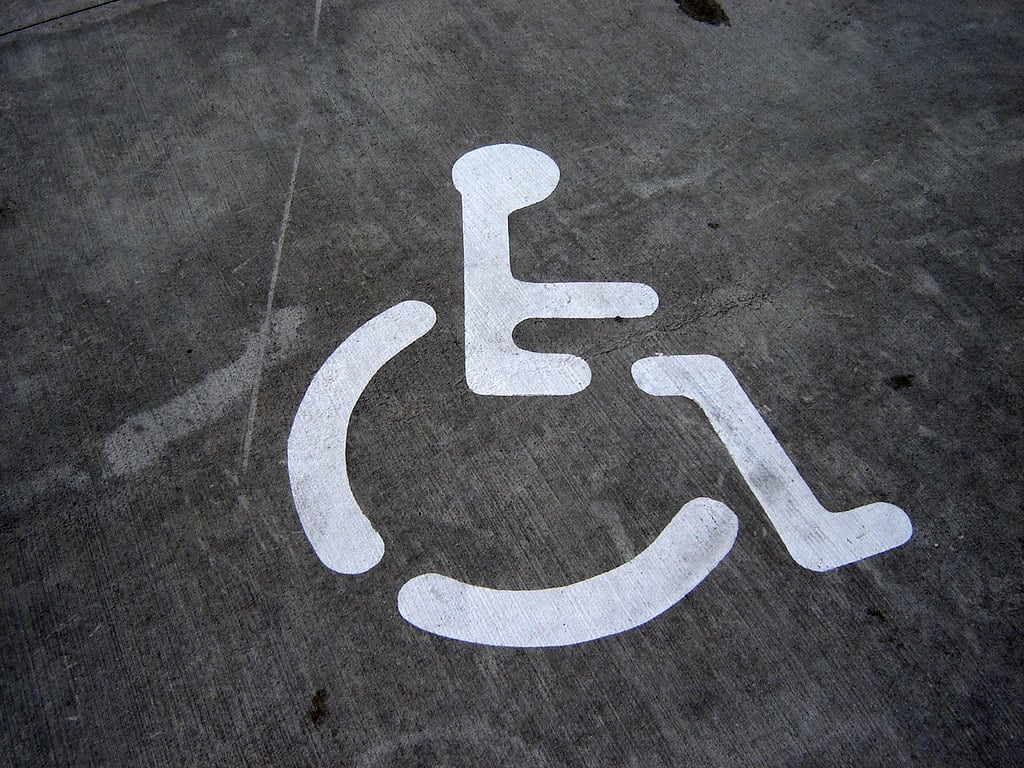
The City Council meeting this week brought a change to how Columbus will approach disability issues, and it seems promising. The impetus for these changes stemmed from the Columbus Advisory Committee on Disability Issues (CACDI), with help from Councilmember Chris Wyche.
Wyche sponsored the legislation, which was passed unanimously by council this past Monday, to elevate the Committee on Disability Issues to a codified commission. Jordan Ballinger, chair of CACDI, said that although the committee has existed since 1999, it was created by an ordinance that somehow was never transferred when the City Code was put online, and council had the desire to elevate and formalize its existence.
Ballinger has chaired CACDI since January 2024. In discussing the impetus for these changes, he said, “At the beginning of the year, we (CACDI) developed an overarching strategic vision, and one of the top goals was to have it become a codified commission.” He added that most other cities have an official disability commission.
A donation powers the future of local, independent news in Columbus.
Support Matter News
I attended a meeting of the CACDI in March 2024 in City Council chambers, which the committee noted was not their usual meeting place but was chosen in order to highlight the accessibility issues present at City Hall. Councilmembers Wyche and Nancy Day-Achauer attended the meeting as a kind of introduction, as they had just taken their seats in January. Wyche gave some remarks to the committee that were notable in terms of his apparent interest and motivation to create positive change in the city’s disability space.
It should go without saying that every piece of legislation and every decision made by city officials has an impact on disabled residents, and that these impacts are often not front of mind for our decision makers. I was shocked to learn at the CACDI meeting that Columbus’ single ADA coordinator is not solely focused on ADA issues, but has three official job roles. On that front, Ballinger noted that the CACDI advocated for a dedicated ADA coordinator, and that city directors are now in the process of hiring one. That office will be expanded with two staff members dedicated to ADA compliance. Ballinger said that while Columbus has been behind, it “feels like this year we are getting caught up.”
Wyche and his staff have been strong advocates for accessibility and knocking down barriers, according to Ballinger. He noted that the discussions around elevating the committee to a commission really began in March, and that now in December the legislation is already being passed, which speaks to the urgency and hard work that has been done by Wyche’s office.
Though disability issues officially would fall into City Council’s committee on Health, Human Services, and Equity, chaired by Councilmember Melissa Green, it is promising that Wyche’s office has taken these quick actions to begin to address pressing disability access issues in Columbus. Disabled residents and visitors simply can’t have enough advocates and allies – and the opportunities for improvement in Columbus are many.
We should all care about having the most accessible and equitable city possible, even if we don’t see how it helps us individually. For one, we should care about our neighbors. For some reason that has to be explained to a lot of people. But I also read something on the topic of disability advocacy a while ago that has stayed with me. Each of us will eventually be disabled, if we are lucky enough to live that long. Those who do not have any disabilities should see themselves as not disabled yet.
As Columbus pushes for monumental changes in zoning, housing, and transportation, disability access must be kept at the forefront. Ballinger highlighted affordable housing and LinkUs as two areas that are very important to CACDI. He noted that developers must meet a requirement for a minimum number of accessible units in new construction. But CACDI wants our leaders to see this as a floor, and that the goal should be higher. The city severely lags on affordable housing, and the difficulty finding affordable and accessible housing is even more challenging. In fact, housing advocates often roll the concept of affordability into the definition of accessibility. If the only physically accessible housing a person can find is too expensive, then there are not any accessible apartments available to them.
LinkUs has been touted as a massive step forward in public transportation for central Ohio. Voters approved a sales tax increase that will help fund LinkUs and associated improvements, including sidewalks leading to buses. These changes are especially important for people with mobility disabilities. A study published in May 2023 found that only 1 percent of Columbus is accessible to public transportation users who have a manual wheelchair. This only increases to 25 percent of Columbus for those who have an electric wheelchair, compared to the areas accessible to those who don’t use mobility devices. One of the main impediments to access was Columbus’ lack of sidewalks and the poor condition of existing sidewalks.
It’s important to note that those figures (1 and 25 percent, respectively) aren’t percentages of the entire city. They are percentages of the areas otherwise accessible by bus! Given COTA’s limited routes and hours of operation, you get an idea of how limited the accessible areas of the city must be for mobility device users. COTA recently announced that beginning in January it will increase hours of operation and expand routes outside of the planned Bus Rapid Transit corridors, which are still some years from completion.
As Columbus navigates its continued growth in population, it should rely on the voices of its disabled residents to steer its priorities. Elevating CACDI from a committee to a codified commission is a step toward that goal.
Anyone looking to become involved with the commission may attend its monthly public meetings on the fourth Thursday of each month or contact ADA Compliance Coordinator Zane Jones at zdjones@columbus.gov.
Related Articles
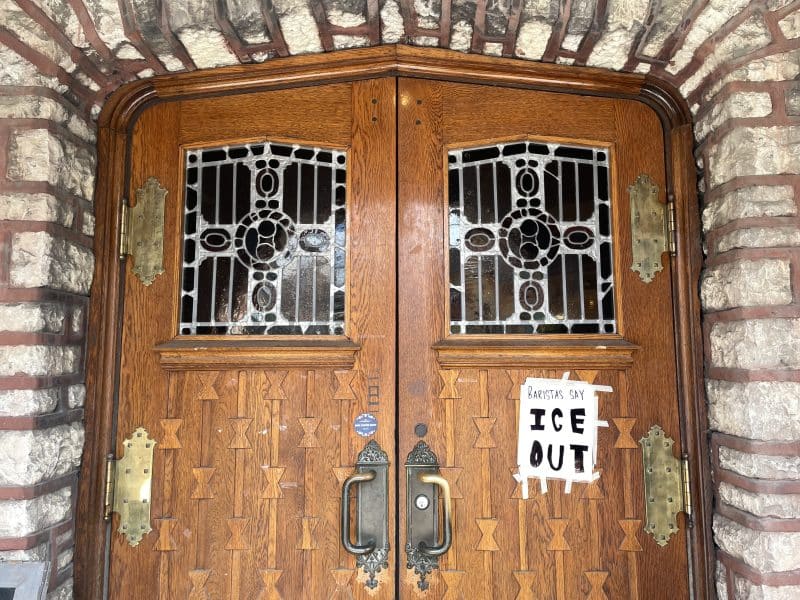
Local Politics: The fallout of serving ICE(d) coffee
A local coffee chain has been under fire for saying it would not refuse to serve ICE agents. But the people who work there say that’s not the full story.
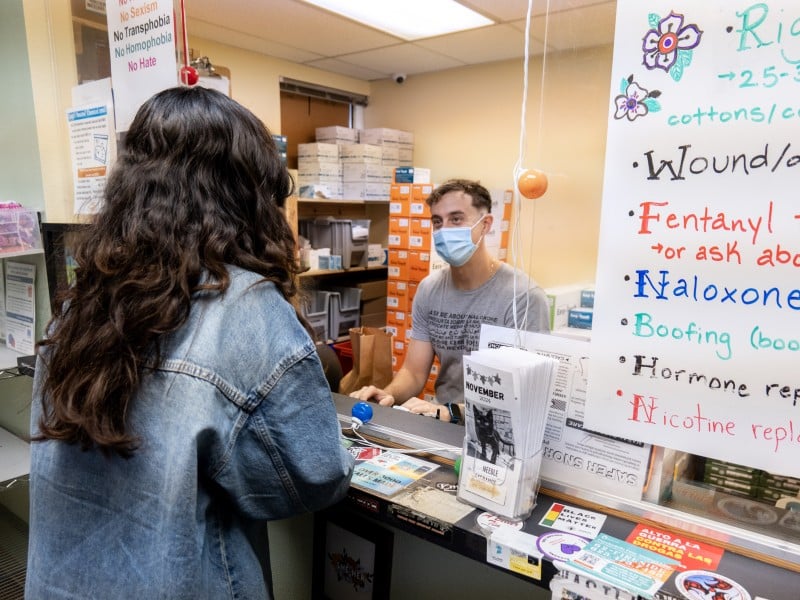
Ohio’s Recovery: The past, present, and future of the overdose crisis
Fewer people are dying from overdose, but the policies and the social determinants of health did not vanish.
Opinion: When unionization isn’t enough
Collective bargaining can protect journalists from arbitrary firings, stagnating wages, and unsafe or exploitative working conditions. But a union contract cannot fix a broken funding model.