The human cost of cynicism
Nothing is more cynical than using the passing of people who have died from an overdose as an excuse to launch trade wars while at the same time gutting agencies that support people who use drugs or who are addicted.
I always go back to the list.
The one I keep on a Post-it note in my office. It’s behind my computer, stuck to a wall littered with Post-its and calendars and my children’s artwork: a yellow Post-it with the names of people I know who have died of an overdose in recent years.
I placed it there as a reminder that I write about real human beings.
A donation powers the future of local, independent news in Columbus.
Support Matter News
It’s next to another Post-it with the number of those who died from an overdose in Ohio each year since 2015, and another with a list of the number of people who died in the county where I live.
People are not numbers. People are not things. People are not to be used.
This is a pretty simple idea rooted in a simple concept: Everyone deserves to be treated with dignity.
I teach American literature, and I’ve always been drawn to the stories of people who have fought for these basic, most humane values. This struggle is the central narrative of American literature.
The story is everywhere. Enslaved people who fomented rebellion or fled to freedom. Abolitionists who risked death to put an end to slavery. Muckrakers and investigative journalists who went undercover to expose workplace abuses or to document lynchings. Civil Rights activists who organized a movement. Queer leaders and allies who reminded us to act up.
And harm reduction workers who, with boots on the ground, have hustled to save so many lives over the last decade.
Another note, on the wall just below the inscriptions acknowledging the overdose catastrophe is something a friend texted me once: Stay strong. Keep doing the work. There are good people working with you.
It’s my mantra some days and helps me to focus my mind and energy when, like right now, the world feels so grim. When America is slipping from the difficult work of making things more democratic and more inclusive for all, and into the abyss created by the empathy-impoverished and cynical decisions being made by the current administration.
Nothing is more cynical than using the passing of people who have died from an overdose as an excuse to launch trade wars while at the same time gutting agencies that support people who use drugs or who are addicted.
There have been cuts to SAMHSA, NIH, and the CDC, and there are proposed cuts to Medicaid. Each of these agencies and programs has helped to address the overdose crisis and support people with substance use disorder. Much of what they do is to funnel needed funding to research and to organizations working on the ground in places such as Ohio.
Drug use is a diversion, a cynical refocusing of attention away from the truth, a cynical stoking of fear. And it’s not new. President Richard Nixon opened the door, and many others have sauntered through. Politicians use addiction and substance use for their own gains all the time. It’s red meat.
But there is a human cost for political choices, a human cost to cynicism.
The word “cynic” has Greek origins. It means “dog-like” or “churlish.” It means moving through the world purely with self-interest, without noble intentions.
When self-interest guides decision-making, people become barriers. They become objects. They become less than human. It’s easier for the cynic to cut programs that help people because they think it is politically expedient.
It is the easy path, not the difficult one, the one that takes work and organizing and listening and time. It’s frustrating and frightening and feels impossible right now. But this is the path we have to stay on.
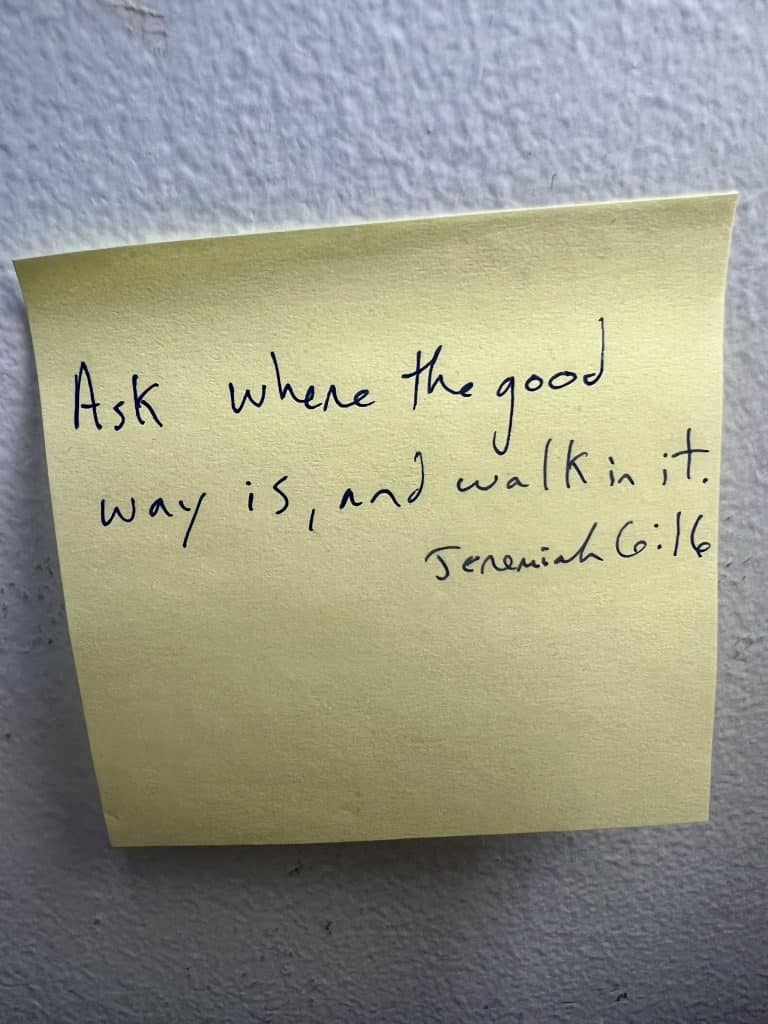
Not all the notes on my office wall are grim. There’s a list of courses in the program I direct, sketches of stories I want to write. And there’s a Post-it with a passage from Jeremiah written on it. The passage reads: “Ask where the good way is, and walk in it.”
Author

Related Articles
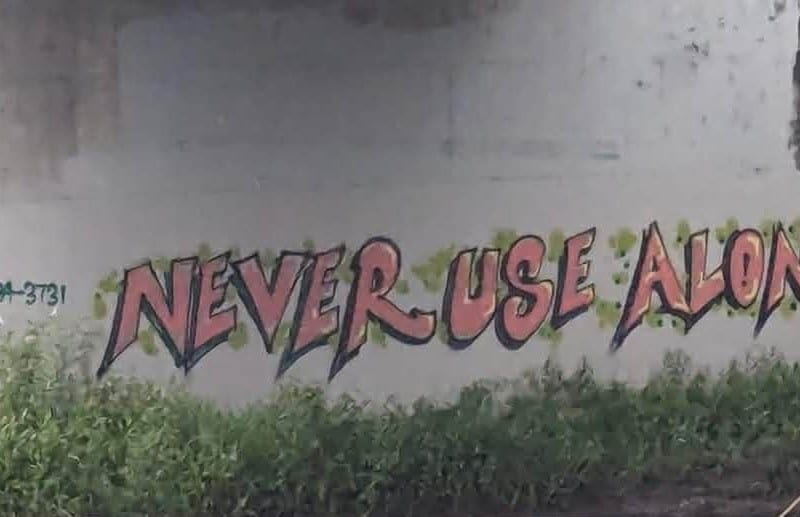
The problem with the CDC prohibiting ‘never use alone’
Officials from the Centers for Disease Control and Prevention reportedly told recipients of overdose prevention funding that they may no longer be allowed to promote the message that has become one of the pillars of harm reduction.
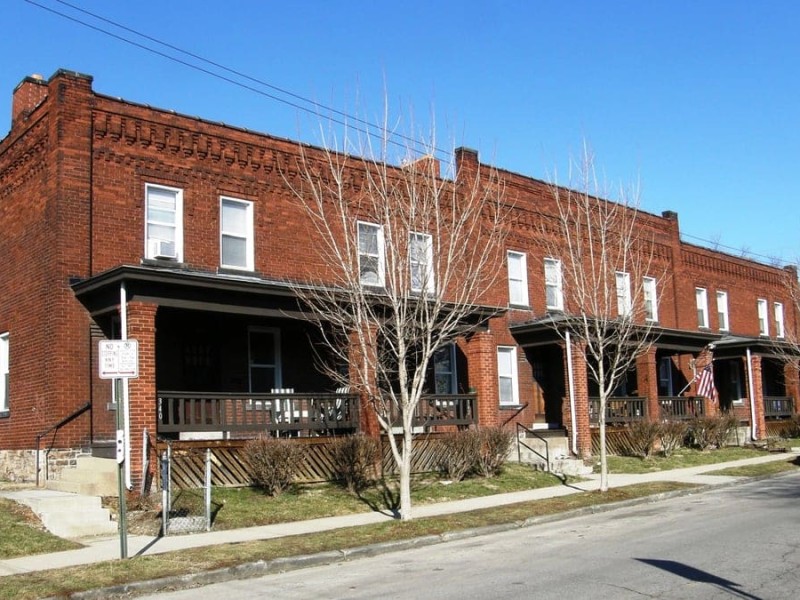
On Development: Of salad greens and sensible growth
Many developers and sellers confuse demand for a certain type of housing and a willingness to buy. There are hundreds of thousands of people in central Ohio who prefer older houses and apartments.
How Wexner’s desire for a city center led to a more fragmented Columbus
As the central Ohio retail magnate faces a larger public reconciliation owing to his ties with disgraced financier Jeffrey Epstein, a look back at how the Wexner name became so synonymous with the city.