Walks of Honor: Adam McDaniel’s death leads Maranda Osborne to pursue life-saving work with Adam’s Legacy
McDaniel’s decision to register as an organ donor helped save three lives in the aftermath of his overdose death. Osborne hopes his story can help save many more.

Maranda Osborne is recording as she walks. To her right, a nurse is pushing a gurney. They move down a long, sterile hallway lined with doctors and nurses dressed in scrubs.
In the video, you can just see the top of Adam McDaniel’s head and an IV bag. Strings attached to three balloons occasionally pop into view. Off camera, Adam’s father, Dave, his younger sister, Belviajean, his friend, Justin, and his and Maranda’s daughter, Chloe, walk with the gurney.
Maranda is a nurse and had previously been to honor walks, standing solemnly in the hospital hallway, watching as an organ donor was wheeled through. But never like this. Never from this vantage point and feeling this kind of loss. Never wondering what she would say to brave Chloe afterwards.
A donation powers the future of local, independent news in Columbus.
Support Matter News
Ten days earlier, Adam had overdosed from a pill that contained fentanyl. He was declared legally dead six days later and his organs were recovered four days after that.
It was mid-March 2024 and tornadoes had recently ripped across Ohio, slowing the process for the surgery. The storms were terrible for so many people, Maranda said, but in the moment, it meant she would have another day with Adam.
Since she was a child, Maranda told me, she has been deeply empathetic and would go out of her way to help others. She’d see people in a parking lot who were homeless, and she’d give them what change she had.
Maybe that’s because she also knows struggle. Maranda grew up poor, and her mother struggled with substance use disorder. And then she had Chloe when she was only 15. Chloe brought her and Adam so much joy. But it wasn’t easy. Then, just a year later, her mother died.
For a long time, Maranda said, she had a negative opinion of people who use drugs – a reaction rooted in her own trauma, her own anger. “I was so angry at them for so long, because I was always like, if they wanted to, they would stop,” she said. “That was my mentality for so long.”
Then Adam died and everything changed.
There have been many unintended consequences of the war on drugs and of the overdose crisis that it has fostered. One of them is that organ donations due to overdose have increased tenfold in the United States since 2000 – and even more in recent years as the crisis intensified. A study published in the Fall 2024 issue of American Journal of Health Economics reported that between 2000 and 2018, opioid overdose deaths led to more than 8,500 organ donors and more than 26,000 organ transplants.
Every day, 17 people die waiting for an organ in the United States. And every day, about 12 people die of an overdose in Ohio. It’s a wretched calculus.
Adam saved three lives that day. Someone received his right kidney and liver, someone received his left kidney, and someone received his heart.
Adam saved three lives that day, but Maranda wondered how many more he could save?
So, she started Adam’s Legacy, a nonprofit focused on educating people about the dangers of illicit fentanyl, promoting harm reduction, and memorializing those who have died from an overdose.
On the organization’s website, in addition to information about substance use disorder and harm reduction, Maranda has created a memorial wall to honor people who have died from an overdose. And it’s not just photos and a name. Each entry includes the story of the person and of what made them loved. Almost 700 memorials, all written by Maranda with information she gathered from loved ones.
“When you look and you read who they are, what they liked, what their family says about them, and you see the person beyond the way that they die and [remember] the light that they brought into the world, I feel like it makes a difference,” Maranda said. “Because when you humanize, it helps to reduce the stigma surrounding drug use. And when we reduce the stigma, we increase the initiative to change things.”
It feels like an endless scroll of smiling faces above Maranda’s carefully composed tributes. The words humor, love, creativity, laughter, and connection appear again and again. Danny, Ernie, Allyson, Bibi, Dustin, Javen. Pennsylvania, Kentucky, Iowa, Oregon. California, Montana, Ohio.
Maranda says it’s hardest when she adds kids to the ever-growing memorial. Sometimes, she says, she must step away from the writing.
Maranda and Adam separated when she was 17, but he was still a part of her life, still a part of their child’s life. They co-parented. Together, they loved and raised Chloe.
Maranda didn’t want Chloe to join the honor walk. Adam meant the world to Chloe. She thought it would be too much for her. But Chloe insisted. Maranda worried what it would do to her. Again, Chloe insisted. And so, Chloe was with her mother walking down that hallway. Walking him to the operating room.
Later, Maranda noticed that Chloe had texted her father through Messenger Kids just three hours after the surgery. The message read, “Wake up!”
Adam was born in West Virginia but grew up in Columbus. He loved Halloween and trick or treating. He loved playing the game Kingdom Hearts. He quoted lines from “Pirates of the Caribbean,” often. He was a big goofball, Maranda said, and one who loved inappropriate humor. “Like right now he’d probably joke, ‘Well, at least I’m finally famous!'” she said.
Adam struggled with his own mental health. He had depression and anxiety. Maranda said it was hard for him to get healthcare. Something was always missing: health insurance, transportation, the will to go to the doctor.
Adam sounds like a lot of people, Maranda said. The people she encounters through her own work. The people who struggle to get the basic care they need in a country that spends limitless money on the military and not enough for health.
Maranda wants to shift the narrative, to change the course, to follow Adam’s example and try to save some lives. He registered as a donor years before, when his little brother was 3-months old and had to have a lifesaving heart transplant. And now, she said, “His legacy is helping to normalize loving people with substance use disorder, helping to humanize these people, and helping to save lives.”
She hopes to do the same with Adam’s Legacy, connecting with and supporting others who have lost loved ones. Eventually, she hopes to distribute naloxone, hygiene kits and fentanyl test strips. And next Overdose Awareness Day, she wants to gather with her growing community to share stories and fellowship but also to continue building toward a different, better future.
At the end of the video of Adam’s honor walk, the group reaches the closed door to the operating room. A nurse moves in front of the gurney to open the door.
It could be the end of one story, but it’s not. It is the beginning of many.
Author
Related Articles
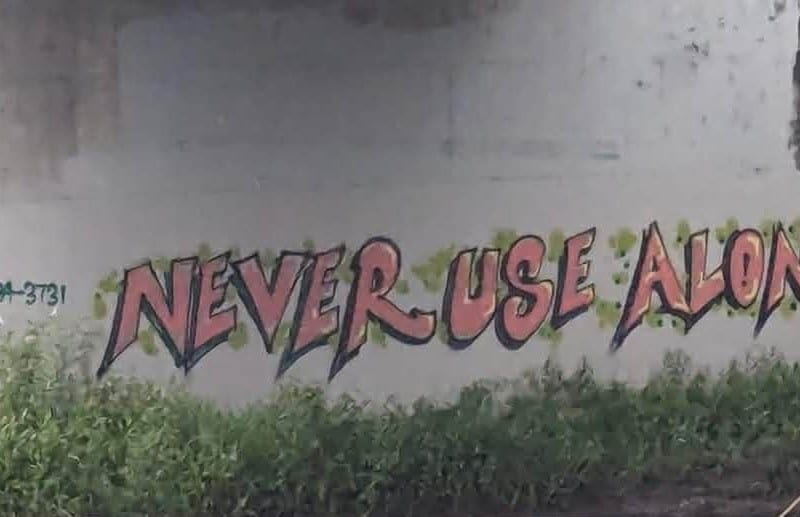
The problem with the CDC prohibiting ‘never use alone’
Officials from the Centers for Disease Control and Prevention reportedly told recipients of overdose prevention funding that they may no longer be allowed to promote the message that has become one of the pillars of harm reduction.
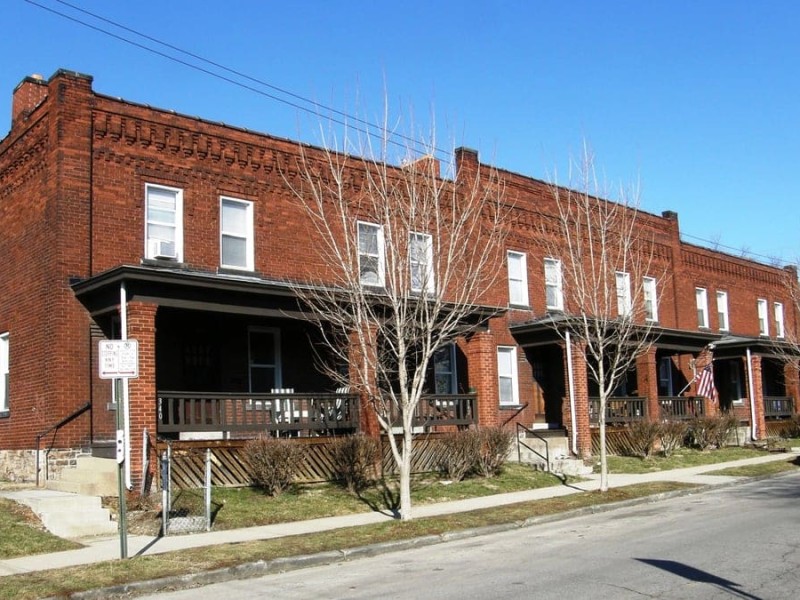
On Development: Of salad greens and sensible growth
Many developers and sellers confuse demand for a certain type of housing and a willingness to buy. There are hundreds of thousands of people in central Ohio who prefer older houses and apartments.
How Wexner’s desire for a city center led to a more fragmented Columbus
As the central Ohio retail magnate faces a larger public reconciliation owing to his ties with disgraced financier Jeffrey Epstein, a look back at how the Wexner name became so synonymous with the city.