New report recommends cutting GCAC funding to increase the Experience Columbus marketing budget
Under the current model, GCAC receives 29 percent of the funds generated by the hotel/motel tax, which a FRAC report calls for reducing to 0 percent. In return, the share allocated to Experience Columbus would rise from 43 percent to 72 percent.
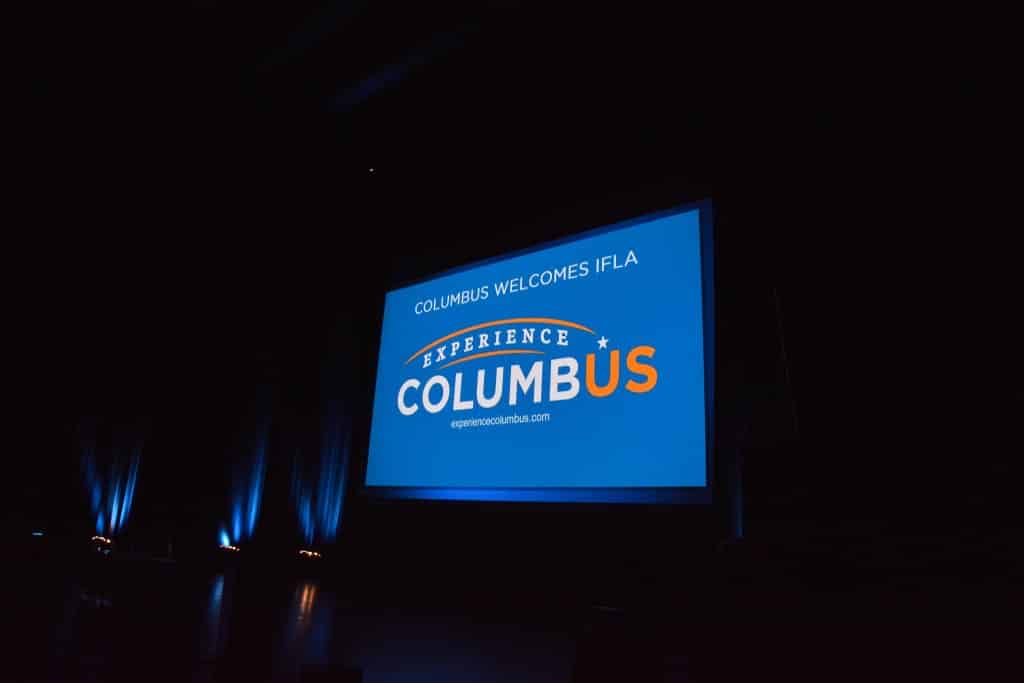
A new report by the Funding Review Advisory Committee (FRAC) created an uproar within the local arts community with its proposal to shift funding from the city’s hotel/motel tax away from the Greater Columbus Arts Council (GCAC) in order to increase funding to Experience Columbus.
Under the current model, GCAC receives 29 percent of the funds generated by the hotel/motel tax, which the FRAC report calls for reducing to 0 percent. In return, the share allocated to Experience Columbus would rise from 43 percent to 72 percent. The report states that the funding realignment “acknowledges that Experience Columbus’ marketing and tourism efforts are directly tied to the generation of lodging activity, and in turn, the growth of the hotel/motel tax revenue.”
“The recommendation is also responsive to Experience Columbus’ formal request for an increased share of the hotel/motel tax revenue and an overall increase in annual funding to expand its tourism marketing and convention attraction capacity,” the report continues, which would enable the organization to “increase its marketing reach” and “enhance destination branding.”
A donation powers the future of local, independent news in Columbus.
Support Matter News
“Experience Columbus wants to sell the city as a creative, vibrant place that supports the arts,” said Greg Phelps, who has history with both organizations, having been the recipient of a pair of GCAC artist grants and also logging time as a paying member of Experience Columbus in his work as a convention and meeting planner. “And it seems like they’re sort of shooting themselves in the foot by taking money away from [GCAC].”
Filmmaker Scott Spears likewise envisioned a hypothetical scenario in which the decrease in funding to GCAC leads the arts nonprofit to reduce financial support for institutions such as BalletMet, which in turn might curtail the number of performances it stages, giving convention attendees fewer entertainment options in those times when they do visit the city.
“They want to take this money away from the arts and funnel it into tourism. Well, what are they coming here to see at that point?” said Spears, who estimated he has received somewhere north of $15,000 in grant funding from GCAC over the last decade, most recently to support an in-progress documentary about the Underground Railroad in Ripley, Ohio. “If grants are reduced, it would greatly reduce the amount of work I’m able to produce. … It means less work from local artists telling local stories.”
GCAC has experienced increased funding issues in recent times, including the decision by Franklin County to not advance an expected $4 million last year, which led the organization to terminate a pair of 2025 Artist Grant programs, along with making other institutional cuts. Additionally, corporate contributions are down 37 percent since the pandemic, and the income generated by the Columbus Admissions Tax has fallen short of initial projections. In pitching the 5 percent ticket fee on major events in 2018, GCAC predicted it would generate $14 million a year for local artists – a benchmark it has yet to hit in any year.
“We really only have two solid years of revenue from [the ticket tax] coming out of the pandemic,” GCAC chief strategy officer Jami Goldstein told Matter News last year. “Couple that with the fact that it’s always going to be a volatile source of income. Did we have Buckeye Country Super Fest or not? Did the Crew make the playoffs or not?”
GCAC reported an annual revenue of $28.6 million in 2024 – roughly $8.5 million of which came from the hotel/motel tax. The loss of this revenue would stand as a nearly 30 percent reduction in income for the organization.
“Columbus’ current arts funding model is a nationally recognized success – it has created stability, growth, and measurable economic impact for artists and organizations and it must be protected,” GCAC wrote in a statement offered in response to a request for comment by Matter News. “GCAC will be researching the Funding Review and Advisory Committee’s recommendations to help inform policymakers as they review the proposed revenue options. GCAC and the arts sector are ready to collaborate on solutions that are equitable, sustainable and reinforce Columbus’ culture, economy and quality of life.”
“I, stepping into this role, do not want to see a single dollar go away,” new GCAC president and CEO Mitch Menchaca said when asked about the FRAC report during a conversation at the Columbus Metropolitan Club on Wednesday afternoon. “And there are recommendations for other revenue streams, and we want to look at those holistically, because we don’t want to pooh-pooh any kind of future revenue growth.”
These “other revenue streams” include the proposed establishment of a 30-cent-per-pack Franklin County cigarette tax, which the FRAC report estimated would generate $20 million in annual revenue for GCAC by 2030. It would also require a ballot measure and a public vote.
“It’s important to remember these recommendations don’t exist in silos; they are part of a larger ecosystem. The FRAC’s recommendation suggests reallocating a portion of funding, while also identifying an alternate source of support for the arts,” Mayor Andrew Ginther wrote in a statement issued in response to a request for comment from Matter News. “All of the recommendations made by the FRAC reflect a thoughtful review of our region’s needs, existing resources, and future opportunities. They are advisory only, and no decisions have been made as to implementation.”
In a comment on a public Facebook post, Columbus City Council member Melissa Green wrote that “identifying and implementing a new funding stream [for GCAC] would need to happen” in order for the changes to the hotel/motel tax recommended by FRAC to receive her support.
Others were more blunt in their assessments of the proposal.
“If [the cigarette] tax is such a great idea, why not take that money and give it to Experience Columbus,” said the filmmaker Spears. “Smoking is going down over time – not fast enough – and that money will diminish over time, which would mean less money for the arts. … All things with taxes are rosy and wonderful until they hit reality, and they either go massively up when they said they wouldn’t, or they produce much less revenue than projected.”
“I hate to tell them, but they’re going to have a hard time getting folks to come to the city if they’re not funding the arts with something more than a hypothetical cigarette tax,” the poet and author Mandy Shunnarah wrote in another public Facebook comment. “The arts are why people choose to stay here, and the city is choosing ephemeral dollars for tourists over the folks who actually sustain this city. Again.”
Author

Related Articles
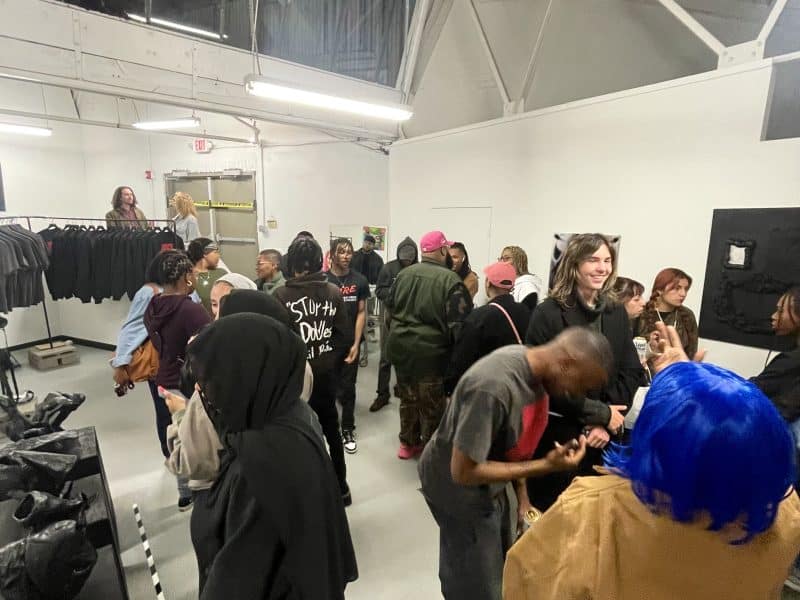
WIT Gallery celebrates turning five while keeping an eye on the future
Poet, artist, and gallery founder Larry Robertson will celebrate the Franklinton art space’s anniversary with a sprawling group exhibition opening on Friday, June 12.
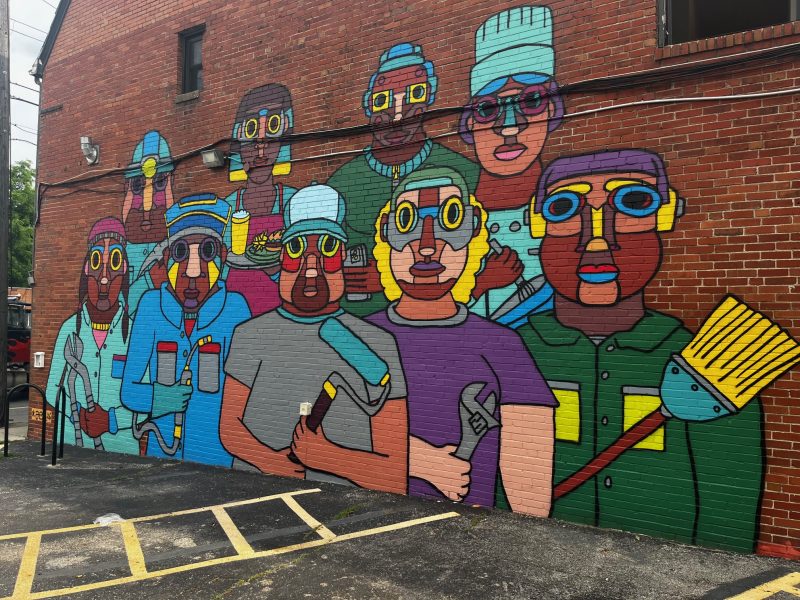
Adam Hernandez aims to uplift immigrant workers with his latest mural
The Columbus artist will be on site at 1014 Parsons Ave. for the public unveiling of ‘We the People/Nosotros la Gente” on Thursday, June 11.
Johnny Williamson finds himself on the other side of ‘Nightmares’
In the midst of rebuilding his life for the second time, the Columbus artist and musician will host a dual album listening party and exhibition at Rehab Tavern in Franklinton on Friday, June 5.