
House of Cai brings art, community to the South Side
Bobbi Towns had no plans to open a gallery when she was presented with the opportunity to take over the space at 1854 Parsons Ave. Now with the help of a small but dedicated team, the artist is learning to embrace the moment.
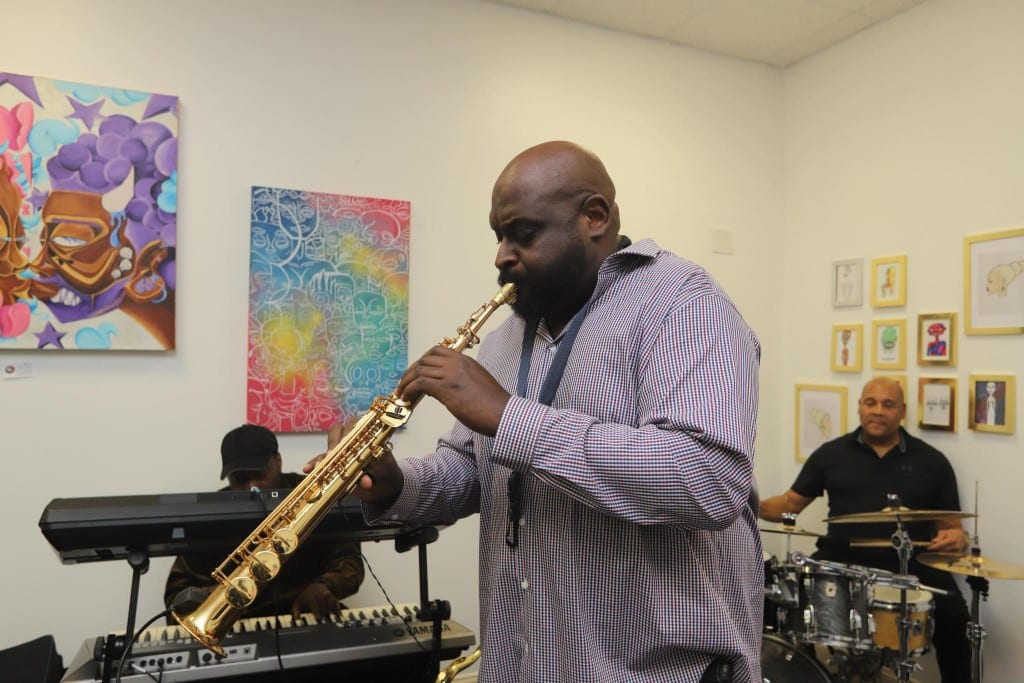
Bobbi Towns can trace her desire to be an artist to the time her parents framed a picture she fingerpainted at age 5. “They were going crazy about it, and it was the first time I was like, oh, I love this,” Towns said in early March at House of Cai, the South Side art gallery she founded at 1854 Parsons Ave., and which celebrated its grand opening in late February. “And I always tell that story, because I’ve known since then what I wanted to do.”
Towns isn’t alone in these artier pursuits, describing a family tree absolutely littered with creatives, including an aunt and an uncle who work as visual artists and a grandmother who could pencil richly detailed architectural drawings from memory, in addition to being a skilled seamstress and a carpenter. “She taught me everything I know, so I can sew, I can crochet, I can build a little something,” said Towns, who recalled how the two would sit together crafting Raggedy Ann dolls with wild tufts of red yarn hair.
Though raised with a deep appreciation for the physical act of artmaking, Towns’ first major break took place in the digital realm when five or six years ago she found herself unexpectedly riding the crest of one of the earlier NFT waves. At the time, Towns had been creating and posting drawings to Instagram influenced by the likes of Loser Club – a “technical but cartoony style” she said was innately suited to the nascent world of NFTs.
A donation powers the future of local, independent news in Columbus.
Support Matter News
“I was in the right place at the right time,” said Towns, who was connected by a friend with the digital art market SuperRare. “She called me and said my art would be perfect for this new thing that’s coming out, this NFT thing. And I was like, ‘I don’t know what the heck you’re talking about.’ I didn’t know anything about bitcoin. I didn’t know anything about Web3. … But I randomly filled out the application and thought nothing of it. And then it just took off. I was collected by CNN in their NFT vault. I’ve been to Art Basel [in Miami] the last five years. And my art has been shown in Prague, France, Japan, Afghanistan. I mean, I actually sent art to Afghanistan, so my art has been to places I’ll probably never visit.”
In more recent times, owing to both a cooling in the NFT market and a desire to continue to evolve as a creator, Towns has returned to a more intensely physical practice, picking up street art and refining her skills by tagging walls at places such as Lookout Supply and Gates of Hell.
“Having to run around, being scared, looking over your shoulder, working fast – I like that, and it’s making me grow as an artist,” said Towns, who last year embarked on a tagging tour that took her to Chicago, Philadelphia and New York. “I don’t have five hours to sit and work. I have 20 minutes before … somebody comes. And that forces you to make decisions.”
This growing ability to react on the fly served the artist well in establishing House of Cai, with Towns recounting how she wasn’t even in the market to run a gallery when the space presented itself to her unexpectedly in November. Following an initial tour, she departed for Miami and Art Basel, her head spinning with thoughts of what the space could in time be.
“I wasn’t looking for a building. I didn’t do months of research. I didn’t have a plan,” said Towns, who was offered a steep discount on rent by a landlord who expressed a desire to have the building operate as a gallery – the third to take root on a short stretch of Parsons Avenue along with All People Arts, located directly across the street, and the Citadel a couple of blocks north. “It just fell on top of me, and I was like, ‘Okay, I have a gallery now.’”
House of Cai has been far from a solo effort, though, with Towns repeatedly lauding the work of her small but dedicated team, which pitched in to help with everything from painting the once-bland space to curation and fundraising, the crew adopting a communal, all-hands approach that Towns described as endemic to the venture. Growing up on the East Side of Columbus, the artist said galleries didn’t always feel accessible, and she wants the residents on the South Side to feel embraced by the space, which will open its doors for regular family art days, the next of which takes place on Sunday, March 23, in addition to hosting free monthly art classes and donating art supplies for use by the gallery’s unhoused neighbors, among other initiatives.
“I want to make sure people have an entry point,” Towns said. “There’s a place here on the South Side where you can come and make art and feel safe.”
In doing so, Towns also hopes she can open the eyes of neighborhood children to a new sense of possibility, stressing that she wouldn’t be in the position she’s in now were it not for the love and support of her parents, whose instinctive championing of her first finger paintings allowed her to dream bigger than she might have otherwise.
“I feel like too often we get stuck in the idea that there are like 10 to 20 jobs we can have. Even with kids, I’ll ask what they want to be, and they’re like, ‘I don’t know.’ And then I’ll ask what their interests are, and it’s like, that’s a job. You can make anything you like into a job,” Towns said. “And because I had the room to figure that out, I’ve been able to do a lot of great things. I’ve been able to make money and pay artists and travel. And I wouldn’t have been able to do any of that if the people around me hadn’t been like, ‘Hey, you can actually do that.’ And that’s what our goal is here: to show all the kids in this community that you started on the South Side, but you can go wherever you want to go.”
Author
Related Articles
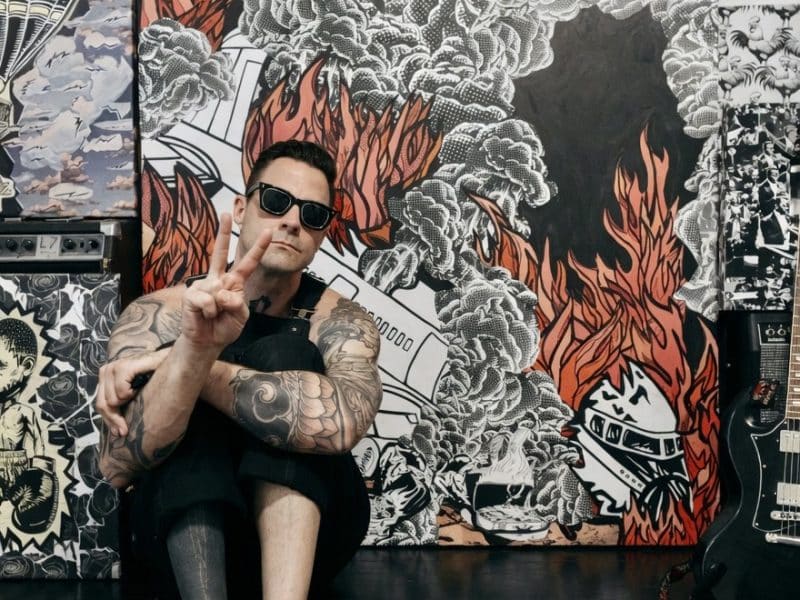
Johnny Williamson finds himself on the other side of ‘Nightmares’
In the midst of rebuilding his life for the second time, the Columbus artist and musician will host a dual album listening party and exhibition at Rehab Tavern in Franklinton on Friday, June 5.
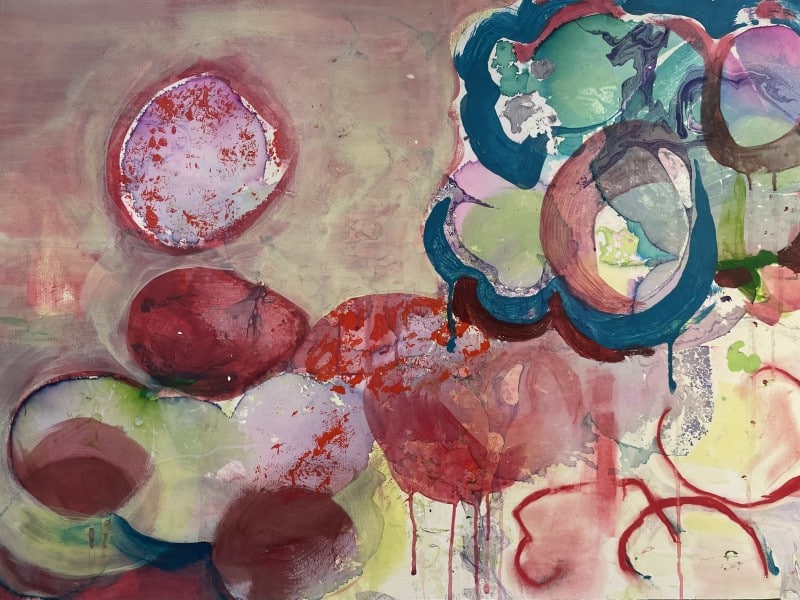
Mark and Anne Spurgeon embrace their familial bond with ‘Blood Harmonies’
The new exhibition from the Spurgeon siblings kicks off at the downtown gallery Blockfort with an opening reception on Friday, June 5.
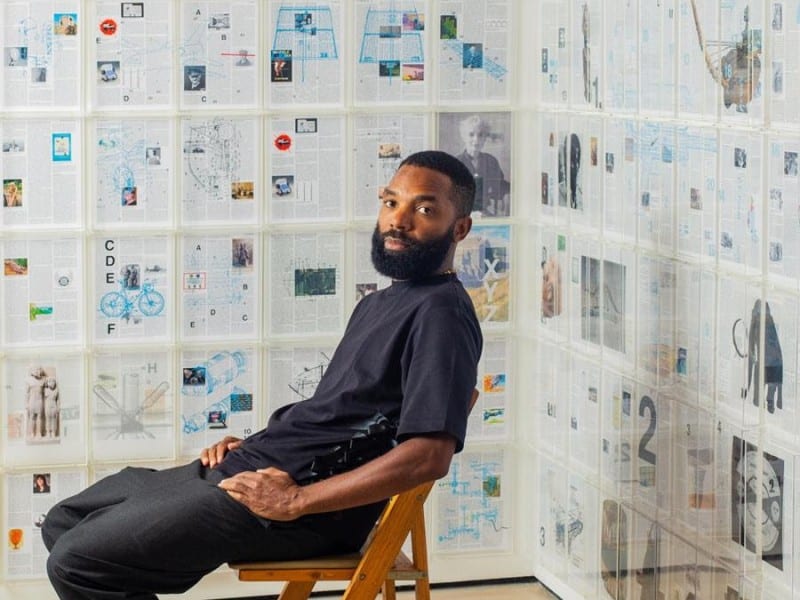
Tavares Strachan’s ‘The Day Tomorrow Began’ demands to be seen today
The Bahamian artist is an installations man, and his new Columbus Museum of Art at The Pizzuti exhibition is loaded with room-swallowing experiences.