
Go estate sailing with Columbus author Kate Davis
‘Bring Cash: A Guide to Estate Sales in the Midwest and Beyond,’ out now, serves as both a how-to guide for those new to the pastime and an endearingly rambling love letter to the people, places, and events that helped to nurture the passion in Davis.
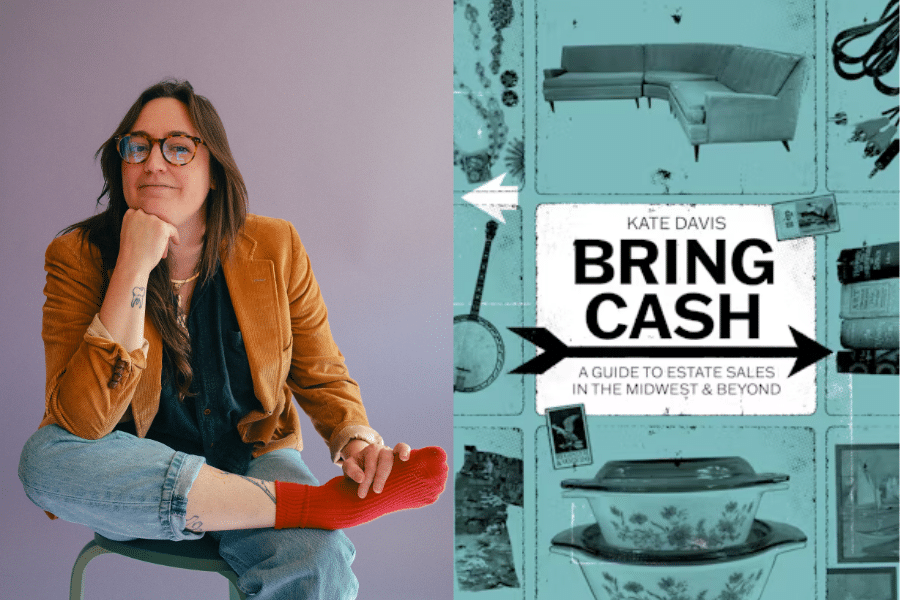
Kate Davis has always appreciated objects with a bit of history, viewing them not as used or secondhand but formerly loved and imbued with an added weight owing to this cared-for past.
“These objects were made by people, but they were also chosen by people and loved by people,” said Davis, who went on to detail her fondness for vintage bandanas, connecting this attraction to everything from having learned about striking West Virginia coal miners whose red bandanas gave birth to the expression “rednecks” to having grown up with a favorite blankie. “Maybe it’s rooted in something psychological, or maybe I ascribe too much emotional intensity to inanimate objects, but I love things that have such a rich, emotional history. There can be so much in this one piece of cloth.”
This idea forms one of the backbones of Davis’ recently released book, Bring Cash: A Guide to Estate Sales in the Midwest and Beyond (Belt Publishing), with the Columbus author creating a text that exists both as a how-to guide for those new to the pastime and an endearingly rambling love letter to the people, places, and events that helped to nurture her passions for the pursuit.
A donation powers the future of local, independent news in Columbus.
Support Matter News
Early in the text, Davis offers a series of historical snapshots that trace her path into estate sailing (an invented term that captures the nature of embarking on a bargain hunt), beginning with her 2002 introduction to thrift stores, moving into her $1 purchase of a powder blue sectional in 2017, and landing amid her 2024 layoff from a contract position – a point in time when she committed to writing a weekly newsletter collecting information on all of the estate sales taking place in the region. The newsletter eventually migrated to Substack, where it caught the eye of editors at the Pittsburgh-based Belt Publishing, who then invited Davis to write a book.
“And at first I thought this has got to be a scam,” Davis said, and laughed. “I love to read, and as a kid I was like, ‘I would love to write a book.’ But it wasn’t something I had any serious intention of doing as an adult until they reached out, like, ‘You could do this.’”
Davis described her research process as “chaotic,” initially diving headlong into the writing before compiling any kind of outline, “which I wouldn’t recommend,” she said. In taking this approach, however, the author first leaned into those sections about which she had the most knowledge, later moving into passages she quickly realized could benefit from outside expertise. This awareness led Davis to pursue an interview with an estate sale coordinator, whose behind-the-scenes observations give added dimension to the text, in addition to compiling reams of research done by individuals whose shared passions extended into those areas where hers might have fallen short.
“Honestly, the most fun part about the research was finding all of these little freaks who love this stuff and know a lot about it,” said Davis, who dug into blogs and podcasts populated by experts on rugs, vintage T-shirts, and furniture, among other interests. “I touch on rugs very briefly, but you could spend your whole life looking at rugs and learning about rugs. … And so, I got to venture down all these different rabbit holes.”
At times, this could make it difficult to know when to pare the text back, with Davis crediting her editors for catching when a section wandered too deep into the weeds and needed to be culled back. The author also nimbly addresses a handful of pitfalls present within the trade, including accessibility issues that restrict the less mobile from participating fully (sales can take place in old homes with narrow hallways and myriad staircases) and the reality that problematic items can be prevalent in some sales. “I felt like I needed to be as up front as possible, because you don’t want someone to run into hateful objects unaware,” said Davis, who recalled a visit to an estate sale in Cleveland that featured extensive Nazi memorabilia. “That was the point when I was like, oh, I need to have a policy as best I can. Yes, I know these things are here, but I’m not sending you there because of them.”
In extolling the joys of estate sailing, Davis also had to navigate the gatekeeping that at times can go hand-in-hand with the hobby, rooted in a desire to restrict information about sales as a means of limiting the number of shoppers and thus increasing the odds of being the one to uncover some long-hoped for gem. (For Davis, this exists in the form of a vintage, bargain-priced Louis Vuitton steamer trunk.)
“But ultimately what I’ve come to is there’s just so much stuff – so much more than any of us could ever consume,” Davis said. “And I reference this in the book, but the podcast ‘Clotheshorse’ did an episode about resellers where they brought up the point that ‘the good stuff’ is different for everybody. … I would so much rather miss out on one or two pairs of shoes than have someone miss out on their Louis Vuitton steamer trunk.”
Author

Related Articles

Edward Julian Sr. embraces poetry as a means to release and reflect
Ohio’s poet laureate features at Urban Arts Space tonight (Thursday, Sept. 24), appearing as part of the Poetry Festival, which continues through the weekend at Thurber House and the Grange Insurance Audubon Center.
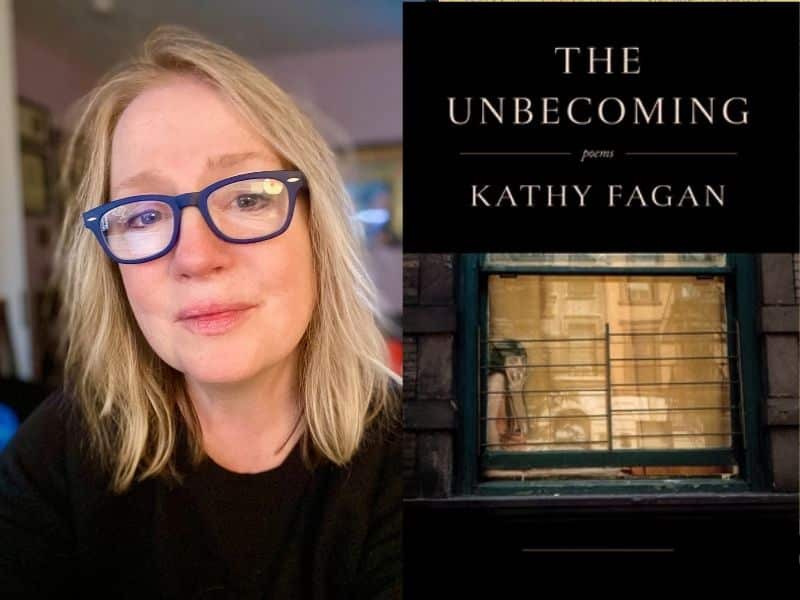
Kathy Fagan takes stock with ‘The Unbecoming’
The poet will celebrate the release of her new collection with a reading at Gramercy Books on Thursday, Sept. 24.

Derf Backderf delves into the past, finds lessons for the present with ‘The Dissidents’
The Cleveland cartoonist will celebrate the release of his sprawling, deeply engaging new book with an appearance at the Wexner Center for the Arts on Wednesday, Sept. 23.