
Eleven Plus Two = Twelve Plus One takes the long road to ‘Antenna’
The Columbus trio’s new album, out on streaming services this week, is nearly two decades in the making.
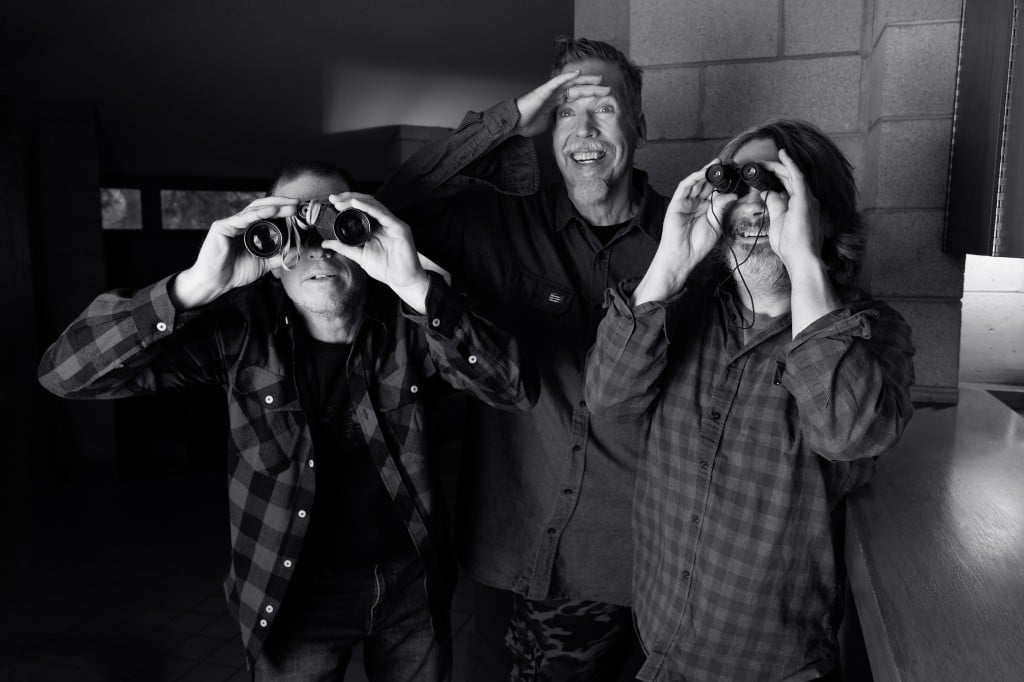
Eleven Plus Two = Twelve Plus One managed to pack in a full career prior to the release of its first album, Antenna (Old 3C Label Group), navigating multiple lineup changes and one pandemic over the course of nearly two decades since singer and guitarist Keith Novicki initiated the project.
“If you count when this band started to this record coming out, it’s almost 20 years,” said Novicki, who joined bassist Joel Walter and drummer/keyboardist Keith Hanlon for an interview ahead of the streaming release of the Columbus trio’s long-in-the-works debut, out Friday, Jan. 16.
The wait wasn’t by design but rather fueled by a mix of musicians joining and then exiting the fold, life developments, and eventually a pandemic that ground everything to a halt just months after the trio finally locked into its current lineup and finished recording basic tracks at Musicol. “We learned all the songs, practiced, and then went into the studio to do basic tracks right before Covid slowed everything down for a long time,” Novicki said.
A donation powers the future of local, independent news in Columbus.
Support Matter News
Eventually the musicians returned to the tracks – “It was me nagging, saying, ‘We need to put something out because I’m not wasting 10 years of my life on nothing,’” Walter cracked – completing additional recording sessions at Secret Studios, where in late December the trio performed still-evolving versions of the songs for an intimate audience.
Inherently restless and deeply layered, Novicki described the shape-shifting rock songs populating Antenna as a byproduct of his desire to not be pinned down musically. “I’m not the greatest singer or songwriter there is, but I just don’t want it to be boring,” he said. “And then we were rehearsing for that last show, and I realized there were all these big breaks and things, so it sort of becomes consistent in its inconsistency.”
“[Novicki] has an interesting way of phrasing things, and we’re never using your standard pop structures of verse-chorus-verse-chorus-bridge-outro,” Walter said. “It’s usually a different type of conversation altogether. And, honestly, I think we spend most of our time figuring that out, and once it’s nailed down, we just kind of roll with it.”
“And then I change something,” Novicki said.
The album opening, nearly 11-minute “Dissolve Me Now” establishes this pattern, kicking off with more than two minutes of droning guitar feedback that eventually gives way to a punchier, more stripped-down rhythm as Novicki begins to sing of “marigold… in full swing.”
Novicki said “Dissolve Me Now” stands as the oldest track on the album, having first surfaced nearly 20 years ago when his band Vena Cava was nearing its end. At the time, the lyrics felt tougher to pin down, more detached from his experiences. But given the benefit of time, the musician now sees each verse as encapsulating a particular stretch of his life. “Maybe it’s being [raised] a Catholic and not being very self-open,” Novicki said, and laughed. “But as you go on, you begin to see, ‘Oh, I see what I was going on about there.’”
The clarity introduced in the singer runs counter to the noise Eleven Plus Two = Twelve Plus One has since injected into the track, which started its life as a more straightforward solo guitar tune and began taking on additional layers once Novicki acquired a looper. “I was playing solo shows, and I was all by myself, so I was trying to fill space more, making all these noisy loops,” he said. “And that became part of the song. And then you get bored after playing the song for so many years, so you add a solo in the middle that wasn’t there before, because why not?”
Other songs on the album date to more recent times by comparison, taking conversational shape between Novicki, Walter, and Hanlon in the months before the pandemic. This included the atmospheric instrumental track “Defeated Lions,” which the band improvised in the studio, and which sent Hanlon time traveling back to one of the bands he played with briefly in college that he described as existing at the intersection between the blues and improvisational jazz giant John Zorn. “We were doing free blues or something,” Hanlon said. “It was really strange.”
Novicki traced the roots of the trio’s music back to a similar point in time in his own life, recalling the time in 1990 when he landed a gig as an intern at the Wexner Center for the Arts that allowed him to witness rehearsals from the likes of Zorn and Kronos Quartet, among countless others. “Then I saw Marc Ribot at Stache’s and there were like three people at the show,” he said. “And today is Scott Walker’s birthday, and listening to Scott Walker led to some of the big, chunky, noisier things. … It’s very foreign, which I like. And we’re not anywhere near that, but it’s where we’re trying to get.”
Correction: The quote “We were doing free blues or something” was originally attributed to Walter rather than Hanlon. Matter News regrets the error.
Author

Related Articles
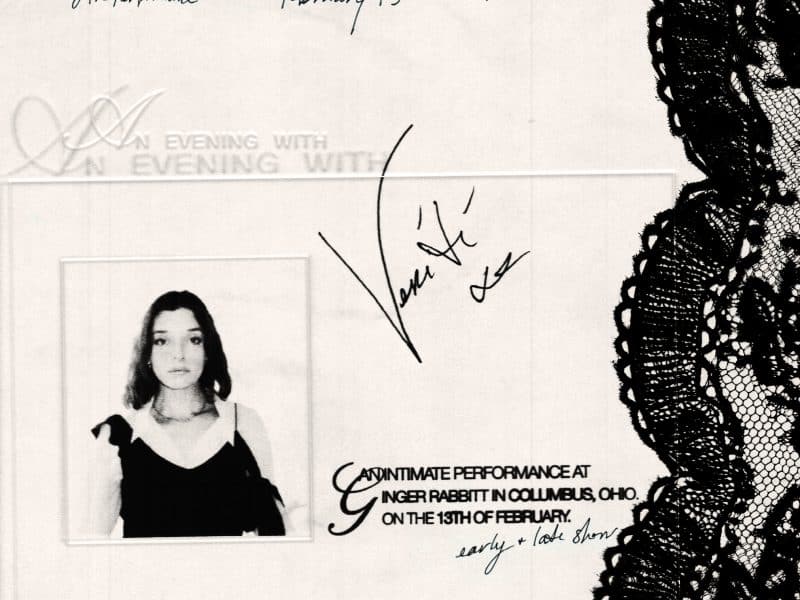
Vérité strikes up a connection with the debut of June’s Room
The new bi-monthly music event makes its debut on Friday with a pair of sold-out Ginger Rabbit shows from New York-born musician Kelsey Byrne, aka Vérité.
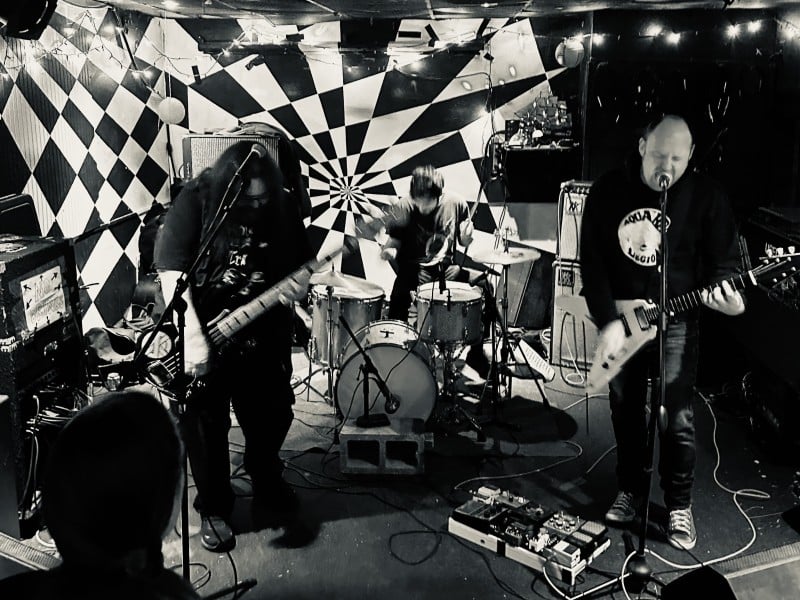
Unemployee rages against the daily grind on ‘Cassette Tape’
Longtime Columbus musicians Bo Davis, B.J. Holesapple, and Mat Bisaro make a marvelous racket on their debut release, which will be available for preorder beginning on Saturday, Feb. 14.
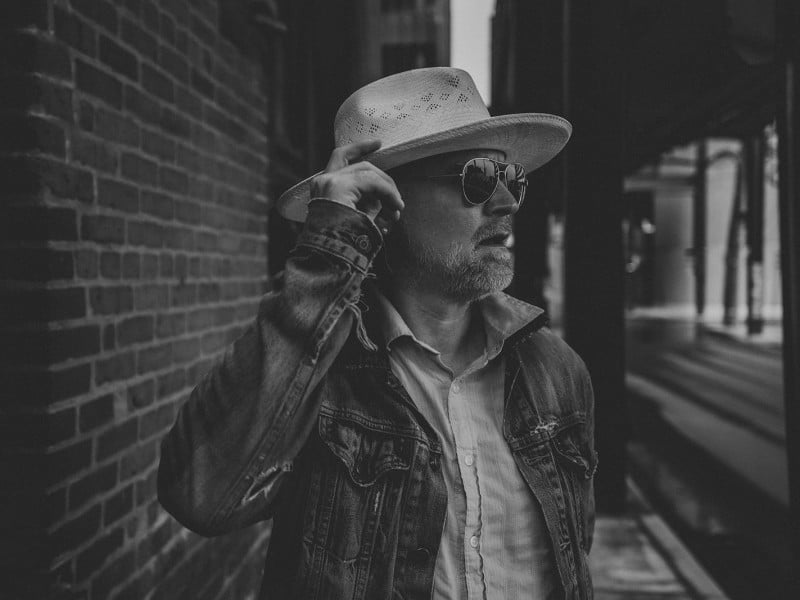
Billy Peake holds to hope while navigating these ‘Manic Waves’
The Columbus musician will celebrate the release of his new solo LP in concert at Natalie’s Grandview on Saturday, Feb. 7.