
Garet Camella gets closer to the source with the ‘Mont Michel Archives’
The Indigo Wild musician’s new solo album, culled from archival recordings and available digitally today (Wednesday, Oct. 23), came about only after he learned to let go of his perfectionist tendencies.
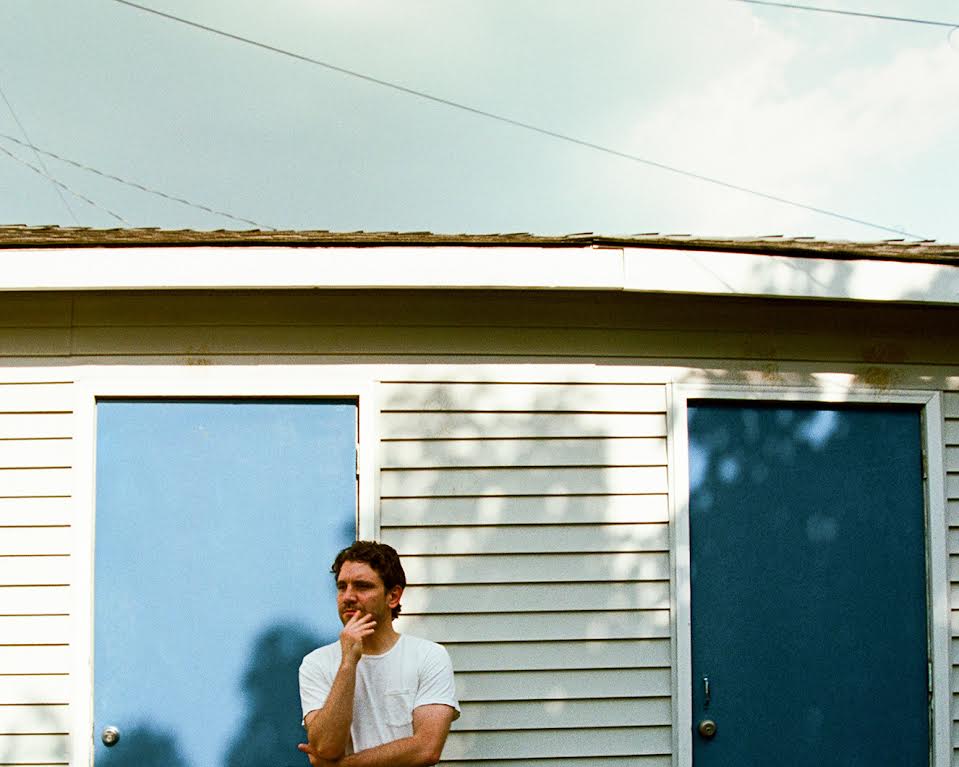
Early in the Covid pandemic, after a decade spent trying to make a go of it in the rock band Indigo Wild, Garet Camella finally hit pause – an abrupt stop that left him feeling temporarily disoriented.
“In Indigo Wild it was like, man, we want to do as much as we possibly can to make this what we do 100 percent of the time, to make this our job,” Camella said in mid-October. “And I think the pressure of that, it hit a breaking point. And with that, I had to figure out a lot about myself again, which took a while. … That idea of pausing and collecting yourself, it doesn’t come naturally to me.”
Initially forced into stasis by the pandemic, Camella gradually learned to embrace the pause, which introduced in him a sense of calmness and perspective, allowing the burnout that had dulled his interest in music to finally fade. “And then it all started coming back,” said Camella, who, reinvigorated, began to dig through his recorded archives, which date back more than 10 years to when he was still in college. “I had absolutely no plans to have a solo project, but I just arrived at it naturally by letting myself breathe, which for whatever fucking reason that had been such a foreign concept to me.”
A donation powers the future of local, independent news in Columbus.
Support Matter News
With the benefit of distance, Camella began to view the songs he wrote and recorded years ago in a more forgiving light, collecting these earlier transmissions for a new album, Mont Michel Archives, out today (Wednesday, Oct. 23) and named for the apartment he lived in during college. A perfectionist by nature, Camella said he long ago shelved the songs following recording, viewing them as demos or rough sketches to which he could one day return and complete. Upon revisiting the tracks, though, he recognized the initial spark of inspiration, accepting that any efforts to re-record or sharpen the material might take it further from what it was meant to be.
“Some of the songs [on the album] are literally scribbles or voice memos, where I used to put so much emphasis on this idea that someday I’ll go to the studio and record this for real,” Camella said. “And what does that even mean? It already is real, right? And I think that magic is some of what I discovered. I’m such a perfectionist, and I know that about myself. But when you have the distance from something, those little details you used to get hung up on … it’s like you don’t even hear them anymore, because you’re just so far removed. And then you just kind of latch onto the emotional side of it, and the idea that I recorded these songs at the perfect time, and it’s almost like that moment will never exist again. … And I think that’s what inspired me to put even those voice memos out, because it was like, ‘I can’t record this again because I don’t feel that anymore. That’s the take.’ And maybe I didn’t originally think it was, but that’s what makes this so cool.”
Time has also afforded Camella needed emotional distance from some of the tracks, a number of which appear to center on a romantic relationship come undone and the sense of being emotionally unmoored that lingered in its wake. On “You Didn’t Know,” a dreamy acoustic number, Camella attempts to make amends with a partner, repeating the words, “I’m sorry.” But two songs later, the break is completed, the musician acknowledging the distance that now exists between the pair on “Blinders.” “The last time that I saw you sad/I just wanted to hug you,” he sings atop a jaunty groove – the musical equivalent of putting on a brave face. “But I can’t even call you now/No, I don’t want to bug you.”
“This album is kind of like an unpolished, melancholy reflection on a very specific period in time where I was definitely caught between chapters,” said the Camella, who is currently engaged to be married. “And it’s weird to revisit it. It’s like going back and reading your diary, where it’s like, damn. You almost wish you could go back and tell yourself, ‘Dude, it’s going to be alright.’”
Still, the musical time traveling ends on a more optimistic note with “Over the Water,” a song on which Camella reconciles the challenges of that period and accepts that he has made it to the other side relatively unscathed. “This is the bridge I was too scared to cross,” he sings from the safety of the other side.
Emerging from this process, Camella wants to believe he has learned to let go of some of his deeply engrained perfectionist tendencies, while also admitting they’re a part of his nature. “I’m super big on craft, you know, and I’m a designer by trade,” he said, and laughed. “But I do think my approach has changed, and I do think I am less meticulous about music now. And I think that’s what these songs helped me to realize, that there are times when that rawness is just what the doctor ordered. … Sometimes my favorite songs are the ones I recorded on my iPhone just sitting on the couch or bed or whatever, because sometimes that’s the closest you can get to that actual feeling.”
Author

Related Articles
How a Columbus trio ended up backing Tenacious D’s Kyle Gass
Mt. Air teamed with Gass for a string of Midwest dates that includes a stop at Rumba Cafe on Saturday, April 4.

Wednesday speaks for the people on the fringes at King of Clubs
Performing in Columbus on Monday, the North Carolina band displayed a knack for giving three-dimensional life to those out-of-sight folks who are often victims of circumstance.
Following extended layover, Paper Airplane again takes flight
The Columbus indie-rock quintet will celebrate the release of new album ‘In a Great Big Field’ in concert at Rambling House on Friday, March 27.