
Lucky Shot finally calls it what it really is
‘These people are enduring actual living nightmares. And for me to not speak on that in my actual music, it just seems like such a slap in the face to people who are living through actual hell on Earth.’
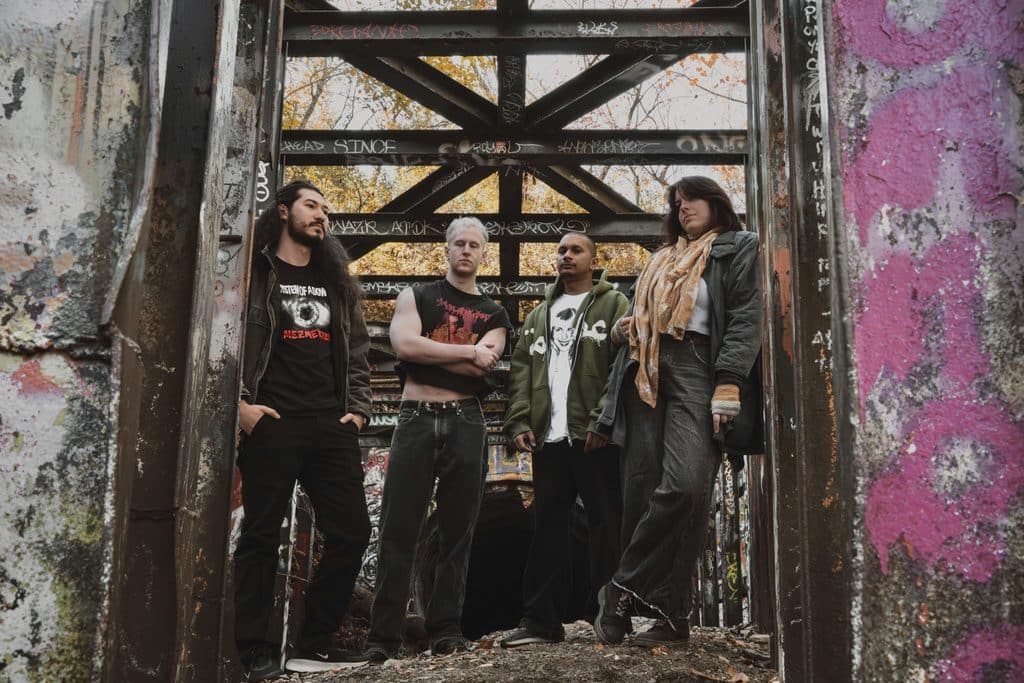
A couple of years back, when the Columbus hardcore quartet Lucky Shot was still in its infancy, vocalist Saud Ahmed wrote “Call It What It Really Is” about the unfolding genocide in Gaza and then immediately tabled the song after receiving pushback from his then-bandmates.
“And all of the band members agreed, yes, this is a genocide. But they disagreed on whether or not it was the right direction for Lucky Shot,” Ahmed said by phone in early November. “They thought we should hold and voice these opinions, but that it should be separated from the music. … When we started the band, the foundation of it was just to put on fun shows and have a good time. We wanted it to serve as a form of escapism, which is still a noble cause, and we still need bands like that, but … in that moment, it was like, how can I write about anything else?”
While Ahmed cited the lack of consensus as the initial reason for benching the song, he didn’t absolve himself in the decision. Asked how he would have described himself at that time, he used words such as “selfish” and “cowardly,” and he questioned his unwillingness to sacrifice potential listeners, shows, streams, or opportunities at a point when so many around the globe were losing their lives.
A donation powers the future of local, independent news in Columbus.
Support Matter News
“There are so many people around the world enduring genocides, and not just in Gaza. There’s the Sudan, the Congo, the Uyghur Muslims being detained in concentration camps in China,” he said. “These people are enduring actual living nightmares. And for me to not speak on that in my actual music, it just seems like such a slap in the face to people who are living through actual hell on Earth.”
Recently, however, a lineup change shifted the thinking within the band, leading to the early November release of “Call It What It Really Is,” a ferocious exposed nerve of a song built around a road-grading riff and lyrics that eschew flowery language in favor of sledgehammer bluntness. “This is war/There’s no time for poetry,” Ahmed screams, backed on the track by bassist Kyra Mounts, guitarist John Huseyin, and drummer Kenny Thompson, and then a few beats later adds, “Genocide, genocide/Pick a side, pick a side.”
In drafting the lyrics, Ahmed said he pulled inspiration from the Palestinian poet Marwan Makhoul, who wrote, “In order for me to write poetry that isn’t political I must listen to the birds; and in order to hear the birds the war planes must be silent.”
“And to be an artist living in Gaza, living in any war-torn country, city, village, and to not be able to hear yourself think, it’s really hard to imagine,” said Ahmed, who added that Lucky Shot is donating 100 percent of the proceeds from the track and a companion T-shirt to the Palestine Children’s Relief Fund.
There also exists within ”Call It What It Really Is” a purposeful public call-out to those media outlets, politicians, and public figures including musicians who deploy sanitized language when discussing on-the-ground realities in Palestine, though Ahmed acknowledged he struggled with this point owing to the band’s long hesitancy to release the track.
“It feels hypocritical, because for two years I wasn’t outspoken on this topic. And here I am calling out artists who know what this is and still use that sanitized language so that it doesn’t tarnish their career, and it doesn’t hurt their views, their likes, their share rates,” said Ahmed, who received an extra jolt watching Macklemore sacrifice his spot opening on Ed Sheeran’s stadium tour for taking a vocal pro-Palestine stance during his performances. “And when he said ‘Free Palestine’ in a stadium and was kicked off [the tour], not only did he take a loss, but so did everybody who depended on him. And if an artist as big as him can make that kind of sacrifice, it’s like, for me, as a local hardcore vocalist, what excuse do I have?”
The decision to allow these convictions to bleed in and shape the music greatly expanded the band’s online reach virtually overnight; Ahmed said in the wake of the song’s release Lucky Shot went from fewer than 3k Instagram followers to more than 20k. More importantly, though, the decision shifted something within the group on a more cellular level, with Ahmed sharing that the musicians are nearing the completion of an explicitly political album that addresses everything from genocide to the role of AI in the art-making process. “Which is that it has no role,” the singer cracked.
“It’s a song called ‘Machines,’ and, yeah, even if [‘Call It What It Really Is’] didn’t blow up, and even if it didn’t do numbers, I was prepared to continue to speak on, for lack of a better term, political issues,” Ahmed continued. “And not only do we feel like we should do it, we feel like it’s our responsibility. We feel like it’s a duty to say the things that people would want to silence us for.”
Author
Related Articles
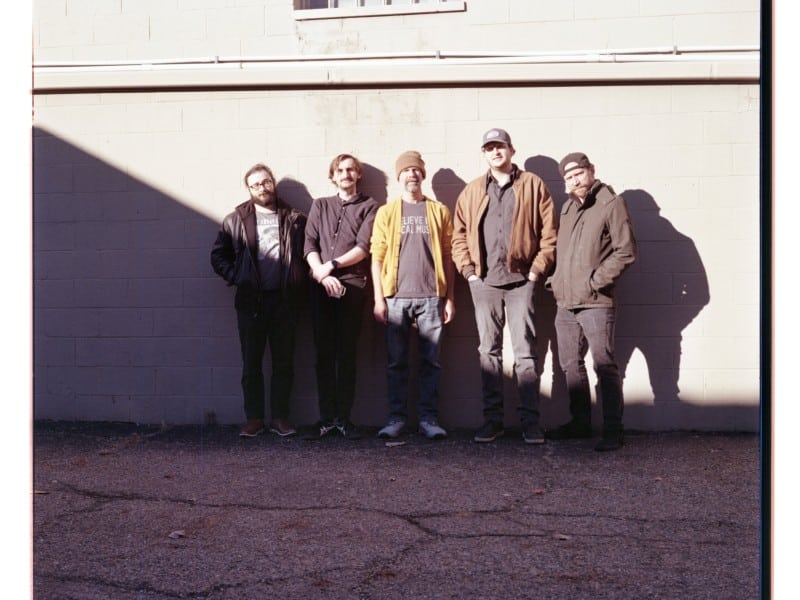
Hello Emerson finds the beauty in ‘Brief Interviews on Heartbreak’
Sam Bodary will join his bandmates in celebrating the release of their new album at Natalie’s Grandview on Saturday, Nov. 14.
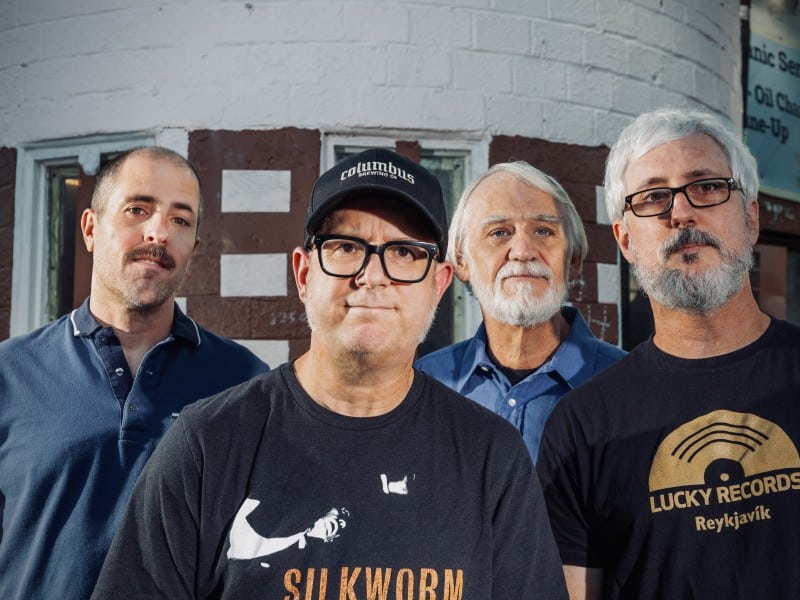
Smug Brothers learns to embrace the good times with ‘Pinhole to Vortex’
The Columbus rock band plays in support of its newest album at Rambling House on Saturday, Nov. 14.
Ultra Lights frontman John Robinson is still figuring things out
The buzzworthy Atlanta band headlines a concert at Rumba Cafe on Saturday, Nov. 7.