
The music of Mavis Staples remains a balm for Paisha Thomas
The Columbus musician will pay tribute to the gospel-soul legend in a concert at Natalie’s Grandview on Sunday, May 25.
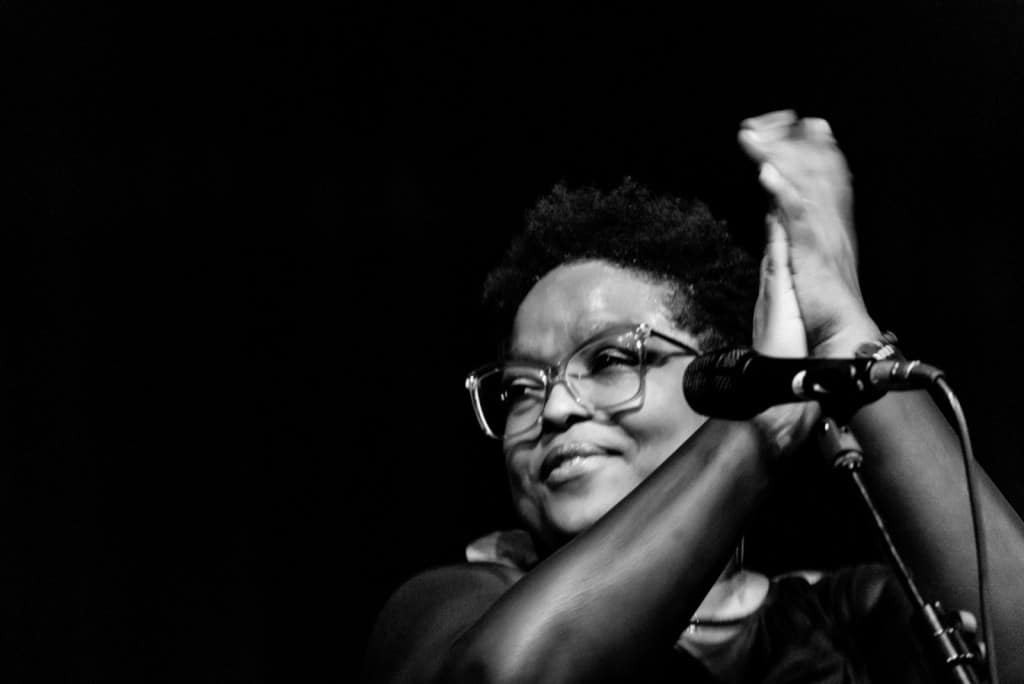
Paisha Thomas received her introduction to Mavis Staples early in childhood via her mom’s record collection, first hearing the gospel-soul legend’s voice as she belted out freedom songs alongside her dad and siblings in the Staples Singers. It’s these recordings to which the Columbus artist and musician has returned more frequently in recent months, both as a means to prepare for a fast-approaching Mavis Staples tribute show, which she’ll lead at Natalie’s Grandview on Sunday, May 25, and also as needed balm in an intensely challenging social and political time.
“I don’t know if music is a remedy, but it’s helpful medicine, if you will, for the painful times we’re experiencing,” Thomas said, referencing among other things the numerous executive orders issued by President Donald Trump that have advanced segregationist and anti-LGBTQ+ policies under the guise of rolling back corporate DEI practices. “And also, I’ve been working with this concept I learned at school called prophetic imagination, which talks about how … empirical forces are unable to imagine an end to their reign of terror. And so, they usually can’t envision new beginnings. But marginalized people and people who are oppressed, they’re always hoping for the terror to end, and that comes with a sensitivity and an imagination to come up with alternative solutions.”
In the past, Thomas said, this evidenced itself in Civil Rights-era protests such as the Montgomery bus boycott, which the musician compared with the current stance taken by consumers against Target, which has seen sales drop amid boycotts staged in response to the company’s decision to roll back DEI policies. “So, I do think there are things we can do,” she continued. “And if we have a song that makes us feel good, it can give us the energy to come up with those alternative ways of doing things.”
A donation powers the future of local, independent news in Columbus.
Support Matter News
Much like Staples, Thomas initially found her way to music through the church, telling me in a 2019 interview how she begged her grandmother to have her baptized at age 4 so that she could qualify to sing with the church choir. “But you had to be 8 years old to get baptized,” she said at the time, “so I had to get busy playing and being a kid for four whole years before I could finally join the choir.”
Also like Staples, Thomas has since embraced music as a tool for advancing social justice, writing songs such as “When,” about overcoming inequity and striding forward into brighter days, and “River,” which centers on the idea that oppressed people can join like raindrops into a roaring river capable of reshaping entire landscapes.
Staples told me in 2012 that her father, Roebuck “Pops” Staples, led the charge in evolving the Staples Singers from a gospel act to a group of freedom singers who stood at the fore of the Civil Rights movement, inspired by the experience of hearing Martin Luther King Jr. speak at Dexter Avenue Baptist Church in Montgomery, Alabama. “We all went to church because Pops had been listening to Dr. King on the radio and he said, ‘Man, Martin is here in Montgomery. I want to go to his 11 o’clock service. Do you all wanna go?’” Staples said. “When we got back to the hotel after church, Pops called us to his room again and he said, ‘Listen, you all. I really like this man’s message. And I think if he can preach it, we can sing it.’”
At Natalie’s, Thomas plans to draw from this musical era, performing songs such as “Freedom Highway,” “Uncloudy Day” and “I’m Just Another Soldier.” At the same time, she wants to highlight the full depth and breadth of Staples’ decades-spanning career, pulling songs from more recent solo albums (“No Time for Crying”) and including a handful of romantic ballads that are more focused on setting hearts aflutter than healing the world’s ills.
“Her catalog is definitely love and justice,” said Thomas, who will be supported at Natalie’s by a band that includes guitarist Wib Schneider, drummer Robert Earl Riley, bassist Aeneas Reynolds, and keyboardist David Swank. But even these seeming side steps can serve as acts of resistance, the musician said, countering oppression with joy and humanity and an ability to stand unbowed in the face of injustice.
“It’s not what you’re supposed to be doing. You’re supposed to be oppressed and suppressed. You’re supposed to be hurting,” Thomas said. “It’s like with the blues, where you’re singing these amazing songs and you’re not in pain because of that, or maybe you are, but you’re relieving it by singing or dancing or playing this music.”
Author

Related Articles
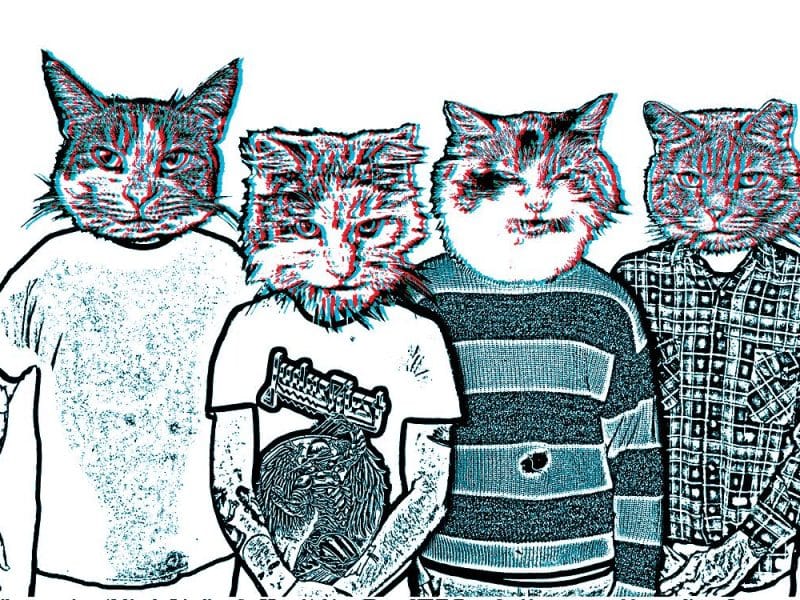
Unchipped screams into the void on ‘3D’
The pulverizing Columbus quartet will celebrate the release of its new EP in concert at Cafe Bourbon Street on Friday, April 10.
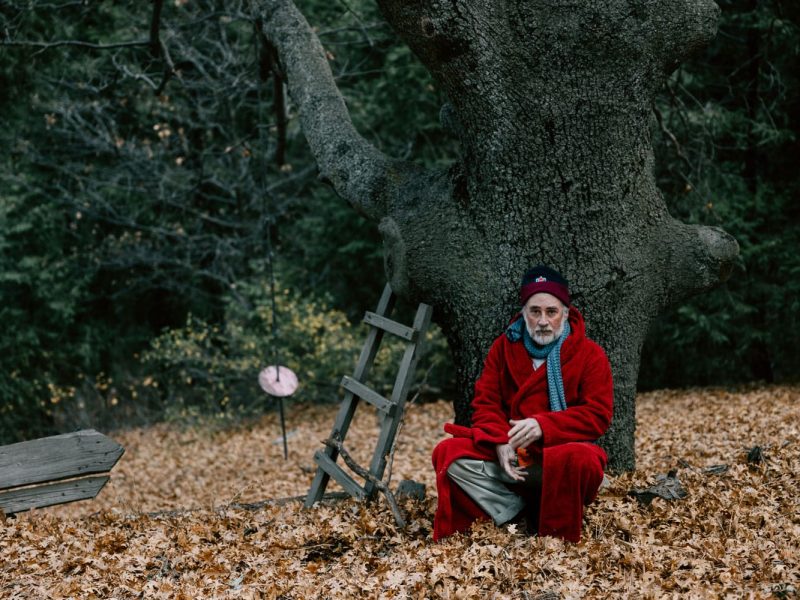
Tim Rutili continues to mine connection in Califone
Still on the hunt for answers to unknowable questions, the musician will join his bandmates in concert at Rumba Cafe on Saturday, April 11.

Eric Rollin finishes what he started with ‘The Ego Scout’
The Columbus rapper will celebrate the release of his new album at the Royal Oak Initiative on Thursday, April 9.