
Time gives way to ‘Heirlooms’ for Dave Buker and the Historians
The long-running Columbus band will celebrate the release of its new album with a concert at Natalie’s Grandview tonight (Friday, June 2).
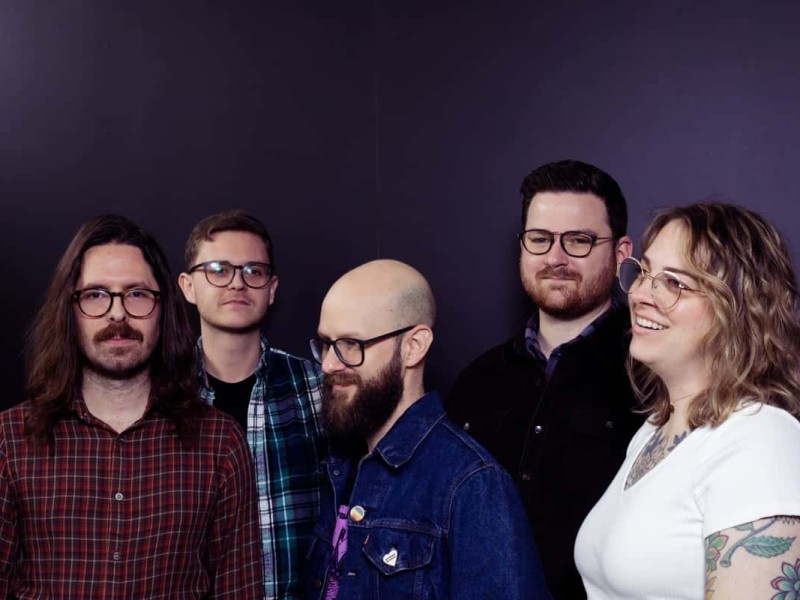
Heirlooms, the new album from Dave Buker and the Historians, takes its title from a line in the song “Stubborn Blood,” a track that wrestles with those things we might not have been quite so keen on inheriting.
“Have you heard that old adage that mental health is not your fault but it’s your responsibility?” said Buker, who will join his bandmates for a record release show at Natalie’s Grandview tonight (Friday, June 2). “It’s hereditary. It’s this thing that comes down the line, and probably people in your family have dealt with it, and now it’s your turn to deal with it. And then maybe you’re destined to pass it on.”
While hesitant to draw a direct line to the pandemic, Buker allowed that this consideration of mental health issues intensified for everyone amid stay-at-home, including the band, surfacing most acutely on the songs “Stubborn Blood” and “Demons.”
“Part of it might be the pandemic, where you’re more isolated and maybe start to notice more about yourself, or things about the people around you,” he said. “But also I think it’s age, and the older I get the more, as a writer, I think holistically. It becomes less, ‘This song is about … this one relationship,’ and it’s more about a bigger picture.”
Buker said he’s also grown increasingly comfortable with vulnerability as he’s gotten older, where early songs were maybe more confrontational. This softer side surfaces most cleanly on the album-closing “A Great Cascade.” “No, I’ll never be the kind to talk to God,” Buker sings at the onset, going on to unpack his philosophies on death and the afterlife in the voice of a man completely at peace with whatever is to come.
Elsewhere, the band unpacks a relationship plagued by fears and doubt (“That’s No Way to Let You Go”), follows two people fleeing some unnamed trauma in search of a fresh start (“Nobody Has to Know”) and, on “Demons,” dives into the head of a narrator working to stay a step ahead of their inner torments. “But I felt its touch. I felt it breathing on our necks,” Buker sings.
While the themes can be heavy, the music tends to move with weightlessness and urgency – a development Buker said could have risen in part as a counterweight to the stillness inflicted by COVID. “I hadn’t really thought about that, but there really aren’t a lot of ballads on this record,” Buker said. “I don’t know if that energy came from being pent up and wanting to play shows and being stuck in our rehearsal space. … But I think we kind of did have this angst, and maybe subconsciously that played into the writing.”
One thing the pandemic did afford the band was time, and the musicians took full advantage, experimenting with new sounds and recording technologies. The group’s long history (the Historians are now in their 13th year as a band) aided this process. Buker said that early on in the band’s run, the focus might have been more on how an album would be perceived, where now the players embrace the creative process and the collective nature of making music.
“Every album we’ve made, we’ve learned something, and so we’ve been able to embrace the process more,” Buker said. “Starting out, and even thinking about the days when I was growing up in Youngstown, and I was 16 working in studios and I didn’t know anything about the process at all. … Then every record down the line, we gained more knowledge, and that led us to a point where we feel like we can experiment, because we have a better sense of how far we can push things before we have to rein them back in. So, it’s all about time. And so many of these answers have just been, ‘This comes with time.’ And there’s only one way to get there.”
Author

Related Articles
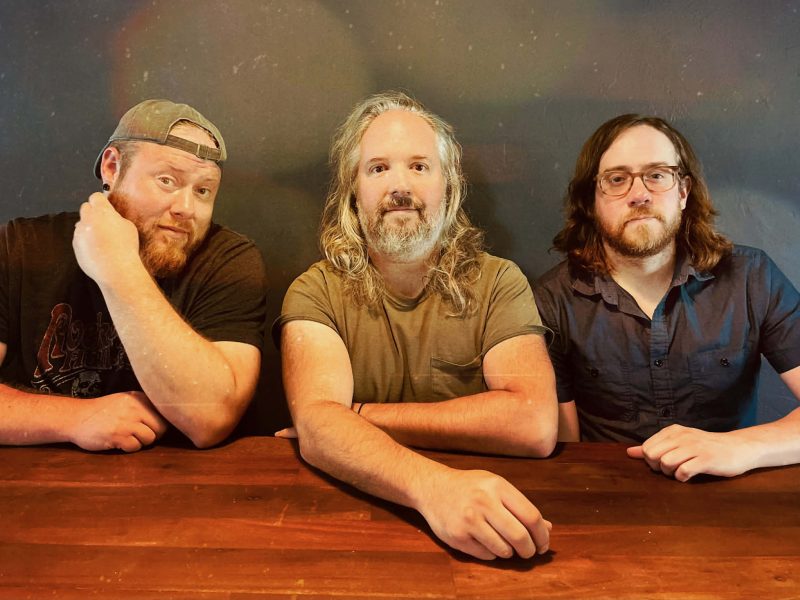
How a Columbus trio ended up backing Tenacious D’s Kyle Gass
Mt. Air teamed with Gass for a string of Midwest dates that includes a stop at Rumba Cafe on Saturday, April 4.
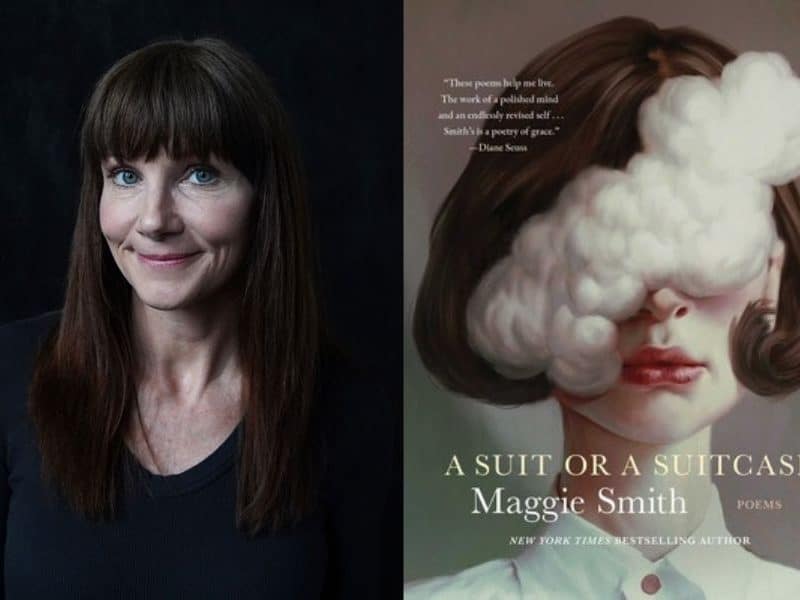
Maggie Smith is content not having all of the answers
The Columbus poet’s new collection, ‘A Suit or a Suitcase,’ confronts more existential concepts such as aging, time, memory, and the durability (or not) of self.
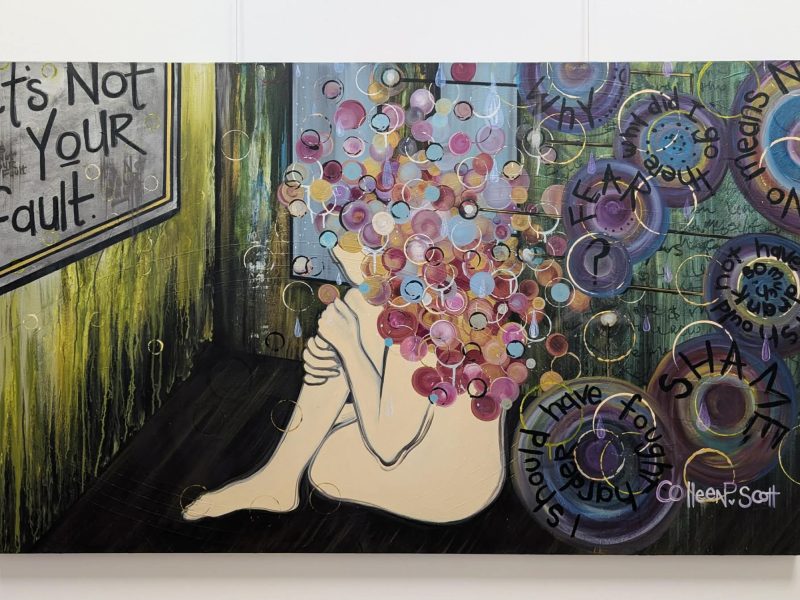
Columbus artist Colleen Scott learns how to love herself again
‘Redirected Pathways,’ which kicks off with an opening reception at the Franklin County Coroner’s Office on Thursday, April 2, centers on work created both pre- and post-sobriety, capturing a personal evolution that speaks to a range of universal concepts.