
Christopher Burk looks for the light in the dark
The Columbus artist will celebrate the debut of his latest collection with an opening reception at Brandt Gallery on Saturday, April 12 – a day that will also serve as the debut for a trio of new adjacent downtown galleries, including Lindsay Gallery, Chaos Contemporary Craft, and Brandt Gallery and Pecha Projects.
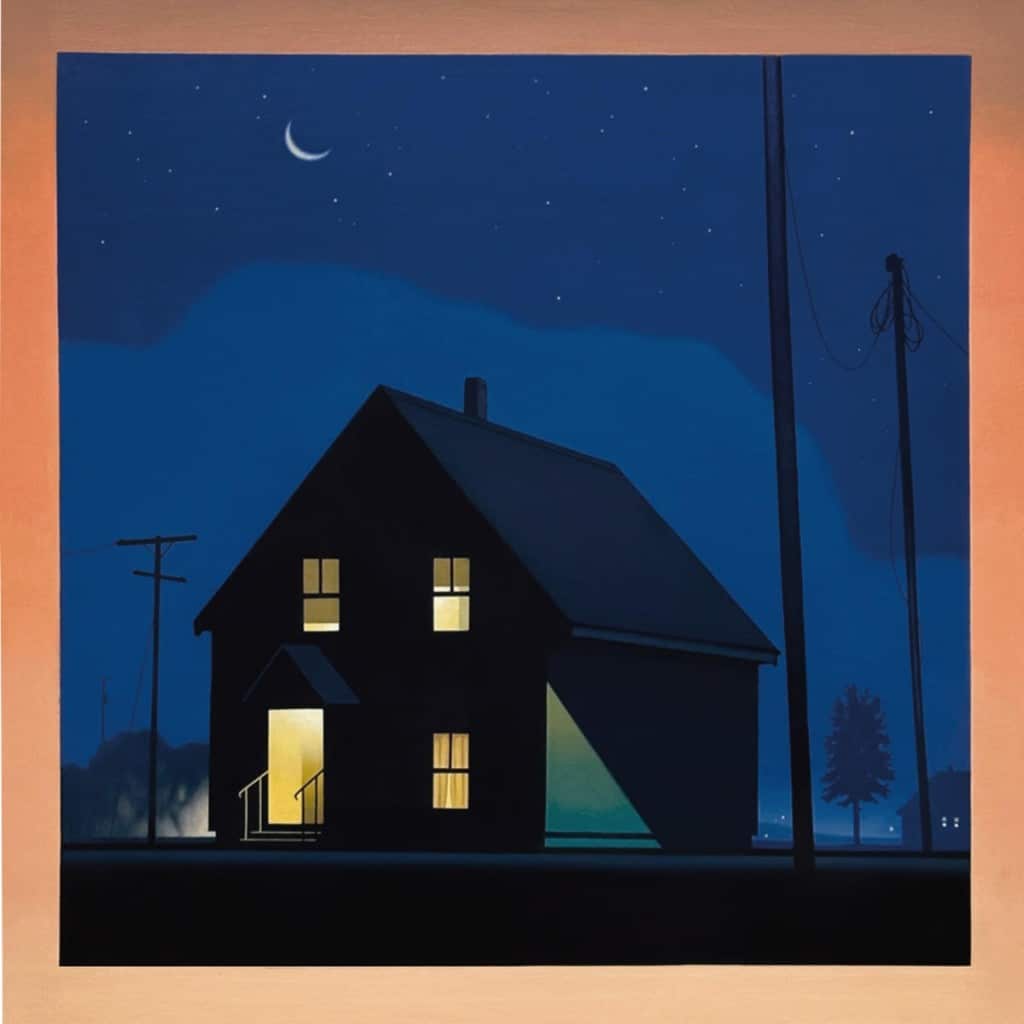
Christopher Burk started work toward his new exhibition about three years ago, taking early inspiration from a series of nighttime trees he painted during a 2022 residency in Dresden, Germany. Early on, Burk said these trees existed as graphic, black silhouettes set against the night sky. Gradually, however, he began to introduce light emanating from a variety of sources – a nearby porchlight, the headlights of a passing car, an unseen streetlight.
“And in that [exploration], this sense of play started happening,” the Columbus artist said from Brandt Gallery, which will host the opening reception for “Tabula Rasa,” the new joint exhibition between Burk and Madrid-based artist Alejandro Botubol, on Saturday, April 12 – a day that will also serve as the debut for a trio of new adjacent downtown galleries, including Lindsay Gallery, Chaos Contemporary Craft, and Brandt Gallery and Pecha Projects (a space adjacent to Brandt Gallery that owner Michelle Brandt said will be dedicated to experiential art). “But the whole time I was making the tree paintings, this idea was percolating in the back of my mind, and I was seeing a lot of similarities between the trees and my older work, which featured a lot of utility-based neighborhoods and this motif of a home.”
Beginning with a series of digital sketches created on an iPad, Burk began to workshop new images that took the same graphic style and interplay between light and dark he adopted with the trees and applied them to the houses he painted previously in his art life. So, while these earlier houses tended to be more detailed, their intricacies highlighted by the sun’s sometimes harsh glare, the newer models existed entirely at night, with the shadowy environs lending the paintings a much more graphic feel. The artist also carried over the experimentations with light he began with the trees, painting windows aglow with unseen televisions and exteriors lit by an assortment of porch lights and streetlights.
A donation powers the future of local, independent news in Columbus.
Support Matter News
While Burk’s work has continued to evolve, certain aspects have remained consistent, including his hesitation to include people, whose presence can be felt even though no figures are visible.
“Any time I’ve painted a landscape, I’ve always left the people out,” Burk said. “I think that adds to the sense of mystery and lets you as the viewer make that narrative, you know? I’ve had people mention to me on occasion, like, ‘Put a cat in the window or something,’ and no. I like the idea that you know there’s something there, but you can’t see it.”
Burk’s return to the kinds of houses he might encounter walking Columbus’ neighborhoods follows a stretch in which he first explored submerged homes and later the aerial views of entire flooded landscapes – a series informed by the images he saw on TV news in the aftermath of Hurricane Florence, which caused catastrophic damage in the Carolinas when it reached landfall in 2018. More recently, Burk lost work he had on display at Tyger Tyger Gallery, which overlooked the French Broad River in Asheville, North Carolina, and ended up nearly completely submerged amid the devastation wrought by Hurricane Helene in September. (The gallery remains temporarily closed.)
“It’s pretty tragic, and it’s going to take them a long time to rebuild,” said Burk, who added that he was unlikely to return to painting flooded landscapes owing to a combination of the emotional weight he now associates with the studies and the understanding that while he wants his work to evoke emotion, he doesn’t want it to be traumatizing for people. “When I did the flooded house series, there was an individual who came to the show … and she had this very visceral reaction. And after she had this reaction, she came back and apologized, and I learned that her family had lost everything in this flood when she was a child in the 1930s or ’40s. And hearing that, the work took on this whole different connotation, because that’s something I’ve never experienced.”
Burk is consistently reengaging with his work in this way, finding new connections both within himself and in the surrounding world. Even this latest collection has evolved in meaningful ways in the three years since he first started to sketch out the paintings for it, with the artist citing an awareness that these nighttime studies are now emerging at what is becoming an increasingly dark time for many.
“Even before all of this happened, I’ve always been the type to look for the light,” he said. “And that’s one thing I like about the night, that there is this darkness but in that you can find these little sorts of meaningful things. And for me right now, that idea has taken on a whole new importance, because for some of us we’re going to have to find the light, and we’re going to have to find that joy, even if it’s just to keep us sane. And that’s something I didn’t plan on going in, but it’s just another instance of life imitating art in this weird way.”
Author
Related Articles
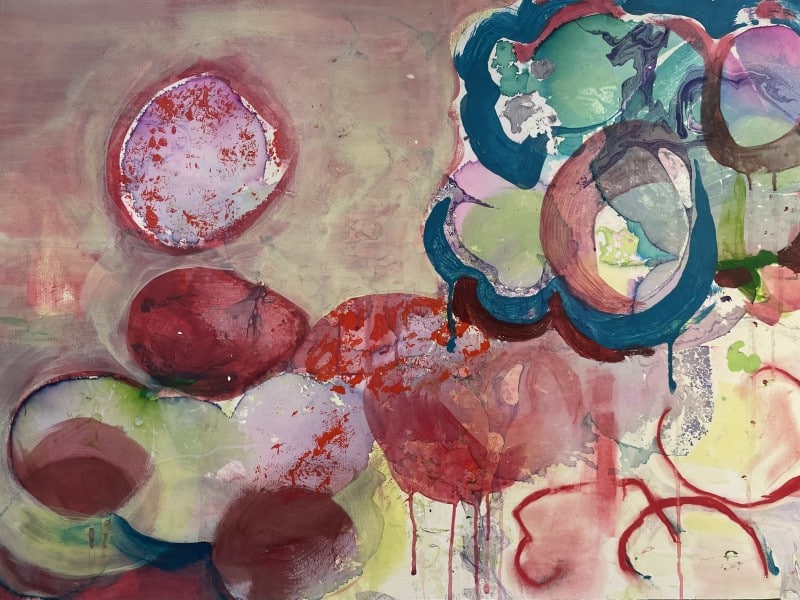
Mark and Anne Spurgeon embrace their familial bond with ‘Blood Harmonies’
The new exhibition from the Spurgeon siblings kicks off at the downtown gallery Blockfort with an opening reception on Friday, June 5.
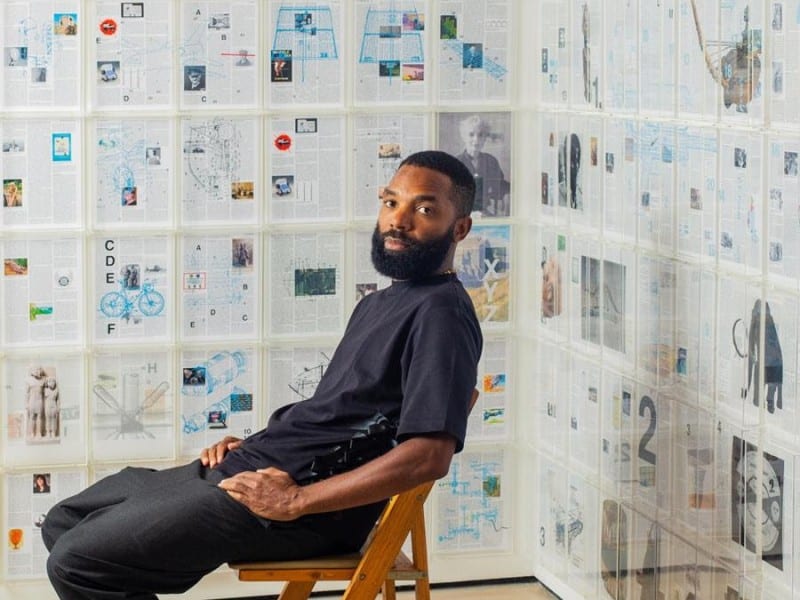
Tavares Strachan’s ‘The Day Tomorrow Began’ demands to be seen today
The Bahamian artist is an installations man, and his new Columbus Museum of Art at The Pizzuti exhibition is loaded with room-swallowing experiences.
‘We Just Still’ brings the hood to Urban Arts Space
The new exhibition from curators Iyana Hill and Jonathan Johnson kicks off at the downtown gallery with an opening reception from 3-6 p.m. on Saturday, May 30.