
Local Politics: City funding can’t meet the scale of the growing homelessness crisis
Why Columbus’ $13 million investment in services for the unhoused is unlikely to make a difference.
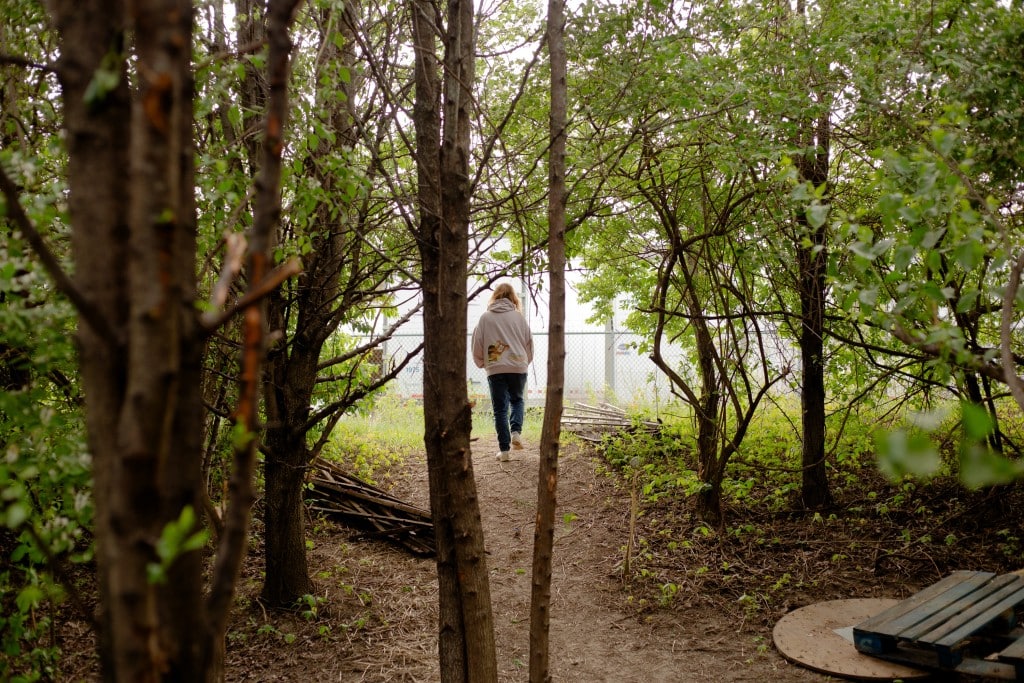
Last week, the Columbus City Council unanimously approved more than $13 million in funding for a nonprofit fighting homelessness in the city. But that hefty sum probably still won’t be enough to make a long-term difference.
The Community Shelter Board, Columbus’ largest homelessness services organization, received a total of $13,075,000 from the council to continue operations this year. That money will be going toward a number of different initiatives, including crisis response, outreach to reduce unsheltered homelessness, emergency shelters, permanent supportive housing, tenant-based rental assistance, and the city’s Resilient Housing Initiative.
Any funding that goes towards preventing and fighting homelessness is money well spent. But this funding is in essence a bandage to keep these temporary housing systems running; it’s not nearly enough to get to the root cause of homelessness.
A donation powers the future of local, independent news in Columbus.
Support Matter News
“The number one reason is literally the lack of affordable housing,” Ben Sears, the executive director of Columbus Coalition for the Homeless, said in a phone call. “And this is the easiest data point across the country to show. Communities where rent goes up and vacancy goes down, you see the largest spikes of homelessness. So much of the work that this funding provides support to, like shelter, like outreach – those services get overwhelmed because the end result and the biggest need is housing. If you provide resources for shelter and for outreach, you’re not meeting that need of housing. If we’re not providing the resources to increase access to affordable housing, then this funding continues to hit that brick wall.”
CSB president and CEO Shannon Isom, though of course grateful to receive the city’s support, shared the same sentiment in last week’s council hearing.
“We have to, have to, be dedicated that homelessness is rare, brief, and non-recurring,” Isom said. “And that can only happen if we have more housing. Community Shelter Board leads this funding, this data, this strategy … to ensure that our response system remains responsive and effective, and that our programs are a part of the investment, but that housing must be the end goal.”
So why can’t the city just fund housing instead? That usually falls under federal jurisdiction, with the U.S. Department of Housing and Urban Development. And without funding flowing to temporary support services, there would likely soon be no temporary support services at all. It’s better to have something than nothing in the short term.
“Different funding sources come with different allowable uses,” Níel Jurist, CSB’s chief communications officer, wrote in an email. “Federal resources, for example, are often better aligned with housing interventions, while local investments play a critical role in supporting emergency shelter, street outreach, crisis response, and other immediate needs. Our funding priorities remain centered on prevention and diversion.”
The full breakdown of how CSB will spend its $13 million isn’t publicly available yet, but Jurist said about 80 percent of the city’s investment would go toward crisis response and safety net programs such as emergency and winter warming shelters.
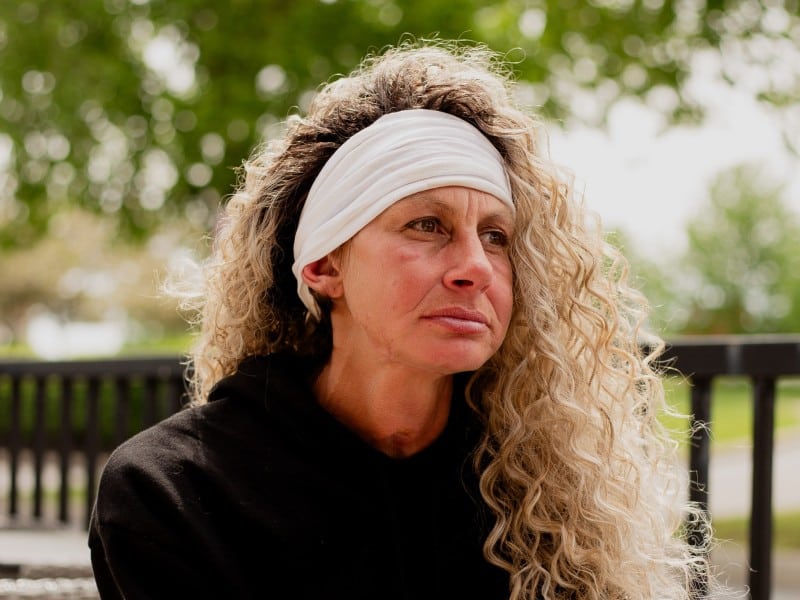
But a lot of people, especially those living unsheltered in encampments or abandoned buildings, can’t even get access to those programs. CSB’s “point-in-time” count – a federally mandated annual census of all people in a city experiencing homelessness on one particular day – counted 2,587 homeless people this year, 651 of whom are unsheltered. That’s a 43 percent increase compared to last year. And those people have recently been targets of brutal encampment sweeps that often take away all they have left and leave them starting at ground zero.
“The individuals that are living outside in homeless encampments, that are having their homes swept away, are the ones that are not accessing these services that are being provided and being funded, because there’s no space for them,” Sears said. “There’s a waiting list for the waiting list. If you’re living outside, and you want to have a direct housing pathway, you can’t even join the waiting list to wait for that housing. There’s this whole growing population of people in Columbus that are experiencing homelessness and living outside who aren’t even touching this ‘formal’ system of homelessness. That formal system is overwhelmed, and this is an additional whole system that’s not being served well at all.”
Sears also noted that the point-in-time count is a gross undercalculation by nature, through no fault of CSB. That number reflects how many homeless people are outside on one specific day in the year. It’s usually taken during the winter, when many homeless people are in temporary winter shelters or warming centers. It also doesn’t account for people living in their cars or people who are homeless but aren’t visible to the public.
“People think, ‘Okay, in a year we’ve got to solve homelessness for 2,500 people,’” Sears said. “The reality is, throughout a year’s time, it could be fifteen to sixteen thousand people who experience homelessness within our community.”
With all of that taken into consideration, $13 million suddenly isn’t a lot of money. It’s just enough to keep CSB running for the year. In order to actually make a dent, Columbus needs a heavy investment in affordable housing from the federal government.
Perhaps it’s good, then, that the full text of the city council bill states that some of this funding will also go towards preparing Columbus’ Consolidated Application to the U.S. Department of Housing for “new permanent supportive housing projects.”
Related Articles
Opinion: Trifectas are only good for racing and the lottery
The legacy of Ohio’s Republican Party is corruption, scandal, and culture wars. Our votes could put an end to their occupation of state government.

If you start from a place of love, you can’t go wrong
A vigil for an unhoused community member who recently died in Newark served as a call to not look away.
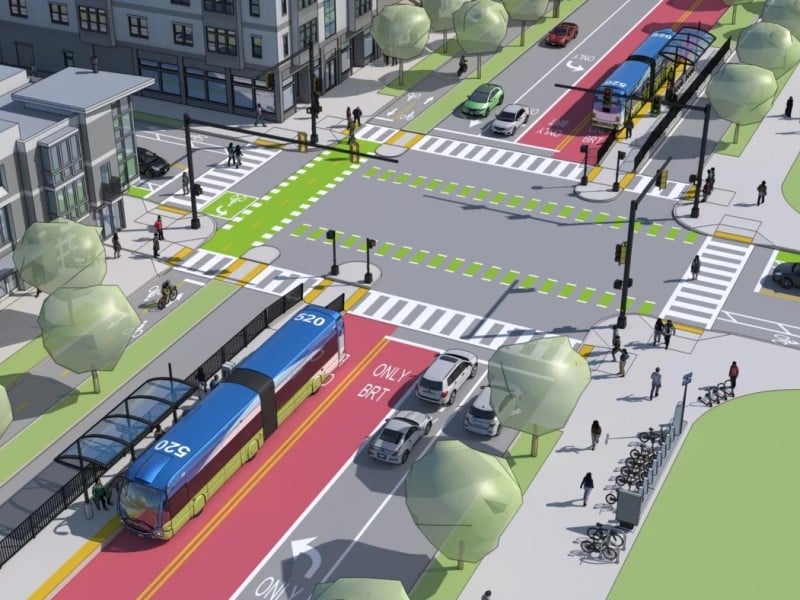
On Development: Rapid-transit is moving slowly. Maybe we need a new model
Our policies suggest a willingness to spend any amount to add lanes and bigger (towering!) interchanges for major highways, while transit spending is too often regarded as frivolous.