
House of Vanguard prepares to step out for ‘The Ballroom Apocalypse’
‘And how I perceive art, I guess, is that it helps us build imagination, which is one of the most important things you can have if you want to begin to fathom a different world.’
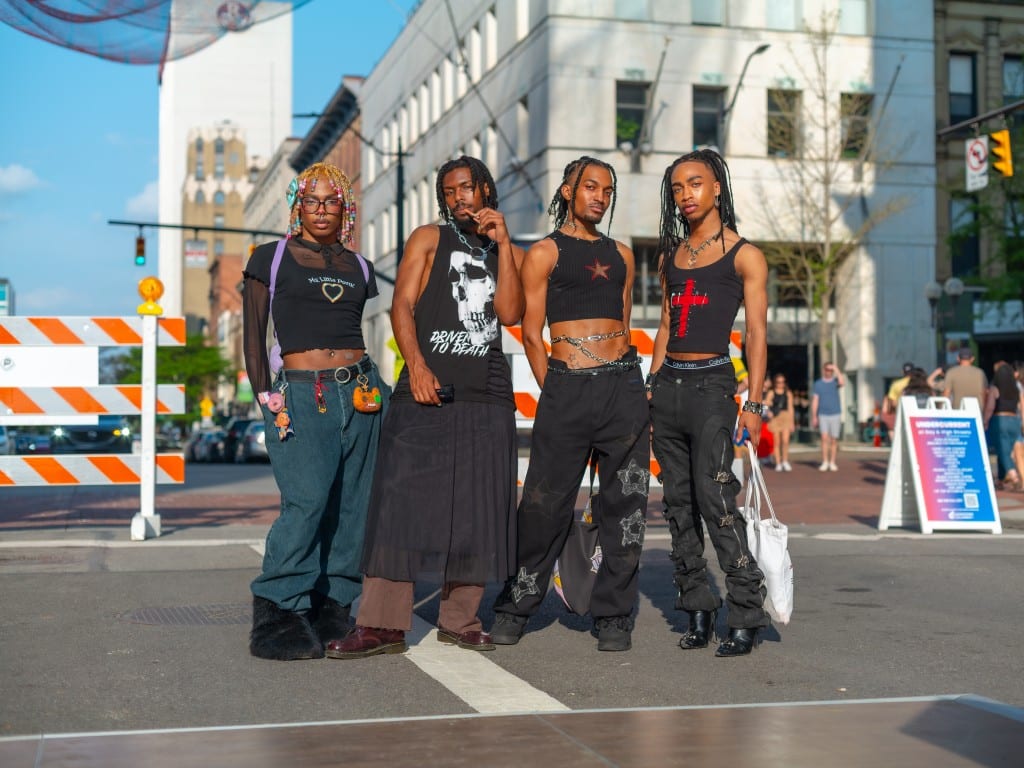
Vanguard Johnson was 18 years old when they received their introduction to ballroom, drawn in by the experience of first witnessing someone hand dance on a night out at Boscoe’s.
“I was so interested in how his hands moved,” said Johnson, the founder of House of Vanguard, which will host “The Ballroom Apocalypse” at Ground x Grind (1106 E. Main St.) starting at 9 p.m. on Friday, June 13. “It was so technical and fast, but he wasn’t missing one beat. … And I remember I asked him what he was doing, and he explained hand performance to me, and then he went on this whole tangent, which was so informative, and started to explain ballroom and the whole culture around it.”
The historically Black, Brown and queer roots of ballroom stretch back to the Antebellum South, when enslaved people would perform exaggerated pantomimes of slaveholders. But the culture seen today can be traced more generally to the late 1960s, when Crystal LaBeija and Lottie LaBeija, tired of anti-Black bias in the New York City drag queen scene, formed the House of LaBeija and started hosting balls of their own. “For decades, ballroom, ball or house culture has been a way for queer Blacks and Latines to live their best lives – that is, to figure out how to respond to a society that devalued their lives and attempted to erase their presence,” Les Fabian Brathwaite wrote in Striking a Pose: A Brief History of Ball Culture. “Through elaborate performances incorporating and commenting on race, class and gender, the ball community has historically reflected the American Dream and one’s exclusion from it.”
A donation powers the future of local, independent news in Columbus.
Support Matter News
“There is just so much history in ballroom, and you really need to know the language, and you need to learn about the houses, like LeBeija and House of Ebony, which were so important to the start of this culture,” said Johnson, who formed House of Vanguard as a multidisciplinary collective that traffics in everything from ballroom and modeling to poetry.
“I think the arts are just really important to us,” Johnson said of the house, which currently numbers about 15 people. “And how I perceive art, I guess, is that it helps us build imagination, which is one of the most important things you can have if you want to begin to fathom a different world.”
When Johnson started House of Vanguard a year ago, they hoped to create a safe space in which this imagination could flourish, brainstorming the collective at a point in time when social and political realities were colluding to make things decidedly less safe for queer people and people of color. (Even the apocalyptic themes in play for this weekend’s celebration exist as something of a commentary on current events, with Johnson describing it as having a sort of party-at-the-end-of-the-world vibe.)
“The community aspect to my house is important, because you have to feel comfortable and safe and supported in order to create,” said Johnson, who grew up in and around the South Side of Columbus, raised by a mother who worked a variety of jobs to support her children. “You need to have people who see you for everything you are, and that also see your potential.”
While Johnson received their introduction to ballroom via hand performance, they said they were particularly drawn into the culture by its cutting-edge fashions, having long embraced clothing as an outward expression of their internal self.
“Fashion was definitely my guiding tool for discovering who I was, playing with colors and patterns, playing with fabrics, seeing how I could wear things in unique ways that I hadn’t seen before,” said Johnson, who began to experiment more with clothing as their interest in ballroom took hold, embracing the events as an opportunity to design and craft inventive new outfits. “Getting into ballroom was a deeply learning experience, because there are things you pick up as you get more into the community. I have a sewing machine right now in my house, and my friend, my roommate, was just distressing the outfit they’re putting together for the upcoming ball. It’s become a part of our lives, like a genuine part of our lives where we’ll make these clothes for these events, and then we get to step out and have fun and really present ourselves to the world.”
Author

Related Articles
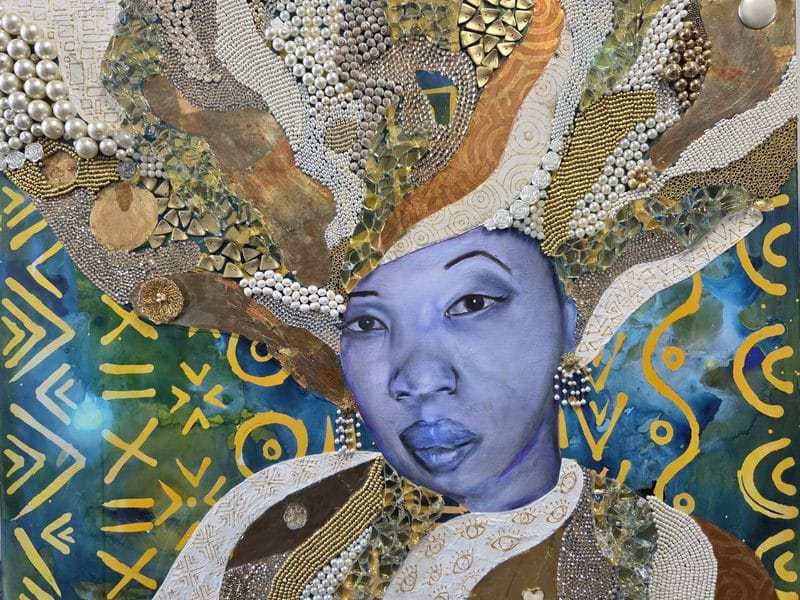
April Sunami is learning to take up space
The Columbus artist will be on hand when her new exhibition, ‘Living Mythologies,’ opens at Lindsay Gallery tonight (Friday, Nov. 6).
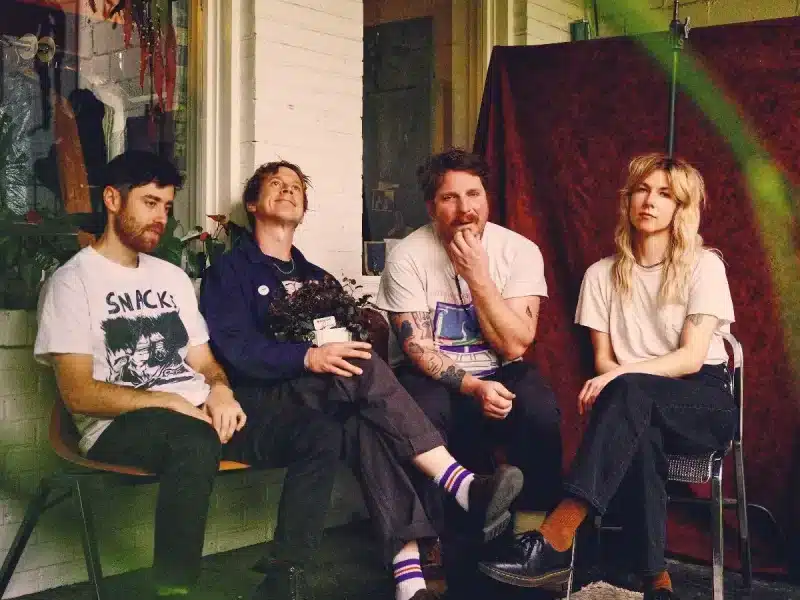
Ultra Lights frontman John Robinson is still figuring things out
The buzzworthy Atlanta band headlines a concert at Rumba Cafe on Saturday, Nov. 7.
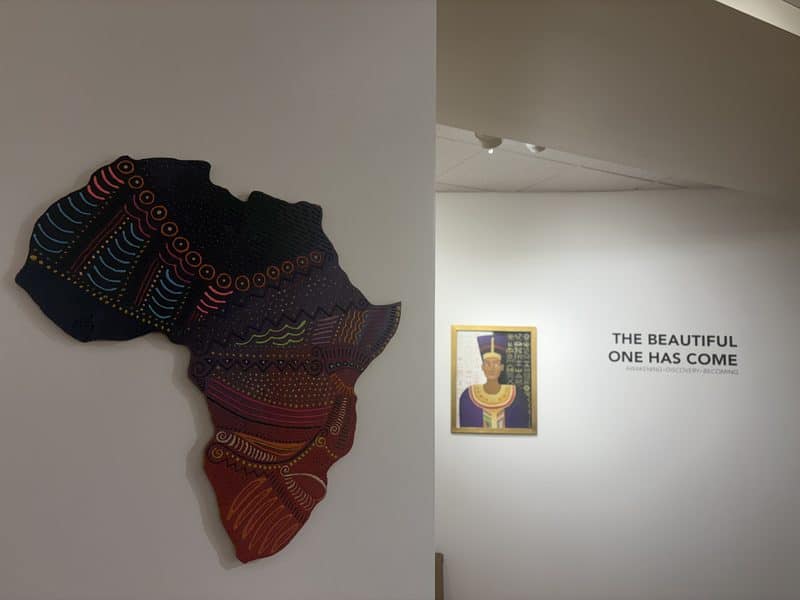
Community takes center stage in Shelbi Toone’s ‘A Village Folk Artist’
The Columbus artist will celebrate the long-delayed opening of her new, career-spanning solo exhibition beginning with a reception from 6-8 p.m. on Thursday, Nov. 5.