
Columbus jazz drummer Wally Mitchel takes reluctant center stage in new documentary
“Wally!” will premiere in a sold-out Studio 35 screening on Wednesday, April 15.
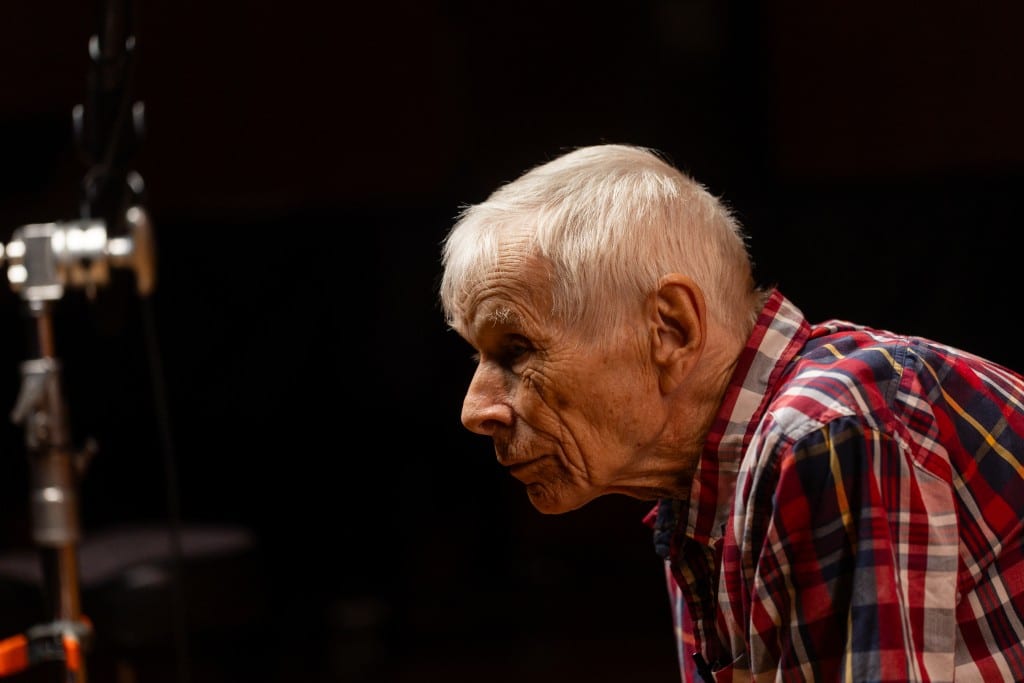
Interviewed nearly six years ago in the run up to turning 80 years old, Columbus jazz drummer Wally Mitchell hesitated to pause for reflection, describing his birthday as “just another day” and espousing a life philosophy that captured a sense of gratitude for the moment.
“I like to say, ‘Never in my wildest dreams,’ but I leave the ‘dreams’ off,” he said at the time. “And it’s the phrase I use to categorize all of this: Never in my wildest. But here I am.”
Years later, Mitchel has finally taken the opportunity to look backward, sitting down with film director Joey Viola and crew at Capital University for a two-hour interview that serves as the backbone of the new documentary “Wally!” which will premiere with a sold-out screening at Studio 35 on Wednesday, April 15. (The filmmakers are planning a second screening at Natalie’s Grandview for early May.)
A donation powers the future of local, independent news in Columbus.
Support Matter News
“[Mitchel] was very purposeful about how he wanted to tell his story. … And at that point, we had talked to him about it so many times over Miller High Lifes at Dick’s Den that he was ready to get it out,” said Viola, who traced his involvement in the project back to a 2021 conversation with co-producer Michael Doody, a longtime friend of Mitchel’s and someone who helped to initiate the documentary as a labor of love. “Wally talks about growing up around music in Cleveland, and his college years at [Ohio State University]. … And back when he was going to school, he didn’t have the opportunity to pursue a degree in jazz performance, because it basically didn’t exist then. But he was listening to the radio, and he was hearing what he calls ‘the seven big dogs’ who are his main influences. And he said something to the effect of, ‘I heard all this music, and I knew I needed to pursue this path.’”
The documentary is fleshed out by interviews with nearly a dozen people, including bass guitarist Matt Paetsch, who first played alongside Mitchel in Joe Diamond’s band at Dick’s Den more than two decades ago, as well as longtime Columbus guitarist Stan Smith and Candice Watkins, both of whom Viola said proved pivotal in helping expand the scope of the film. “And that really pulled it up to the 30,000-foot level,” he said. “They really kind of changed the ballgame, where they talked more broadly about Columbus and the history of the jazz scene here.”
This overview included mentions of earlier players such as saxophonists Gene Walker and Joe Diamond, a Dick’s Den mainstay whose daughter, Natalie Thomson, once told me how he used to paint a mustache on his face to gig in bars when he wasn’t old enough to do so legally.
“The thing about Joe, he was so tasteful and such a quality musician that he attracted a lot of good jazz players,” late Dick’s bartender Ron Yednock said of Diamond in 2016. “And each one of them had their own project. It wasn’t long after that Roger Hines and Stan Smith [started playing here]. But Joe was here every Sunday, and guys would play with him.”
In the decades since, Mitchel has assumed this ambassadorial role, routinely holding down the drums in jazz sessions at Dick’s Den, where Viola first met the drummer not long after the director moved back to Columbus from Seattle in 2021. “And obviously he’s older, right? But there’s a youth to him that I recognized right away,” Viola said. “He has this personality … where even in the first time meeting him, you feel like you’re talking to an old friend. And then, for me, it was like, wow, this guy is out playing for tips at Dick’s Den every week. And the more I learned about him and the journey he’s been on, I was like, ‘This guy has given his soul … to music.’”
Absent resources, the project remained decidedly lo-fi during these first couple sporadic years of shooting, with Viola and crew lugging lights and cameras into Dick’s Den – to the growing annoyance of staff and regulars, he said – and shooting interviews and performances against the backdrop of bar chatter. A breakthrough arrived when the project received grant funding via GCAC last spring, which enabled the crew to greatly expand on the number and quality of interviews, which were filmed either in Viola’s Clintonville studio, or in the case of Mitchel, onstage at Capital.
Mitchel’s summer 2025 interview also led to what would become another pivotal scene in the documentary, when the drummer was involved in a car accident after leaving Capital and driving back to his then-home in Heath, Ohio. In the weeks that followed, Mitchel’s bandmates rallied to launch fundraisers to help the drummer relocate closer to his spiritual home at Dick’s Den, eventually moving him into a High Street apartment just blocks away from the storied dive.
Beyond these larger beats, the film is rich with colorful fills, including the detail that Mitchel builds so-called “peanut butter breaks” into his sets, which gets traced in interviews back to the time that staffers at Dick’s Den called an ambulance after the drummer’s low blood sugar threatened his onstage collapse. “But Wally didn’t allow the squad to take him to the ER,” Viola said, “because he had another set to play.”
The director said part of his drive to complete the project stemmed from his desire for the drummer to be able to screen the finished documentary, which he finally did when Viola brought a nearly complete draft of the film to Mitchel’s Old North apartment in recent months. During the viewing, Viola said that Mitchel watched wordlessly, offering his feedback only when pressed by the director after the final credits rolled.
“And I was like, ‘Do you have any notes?’ … And he was like, ‘No, not really,’” Viola said. “But he also said, ‘You know what I liked about it?’ and he has this scratchy voice, and he’s like, ‘It wasn’t all about me.’ And I was like, ‘That is so you, my guy.’”
Author

Related Articles
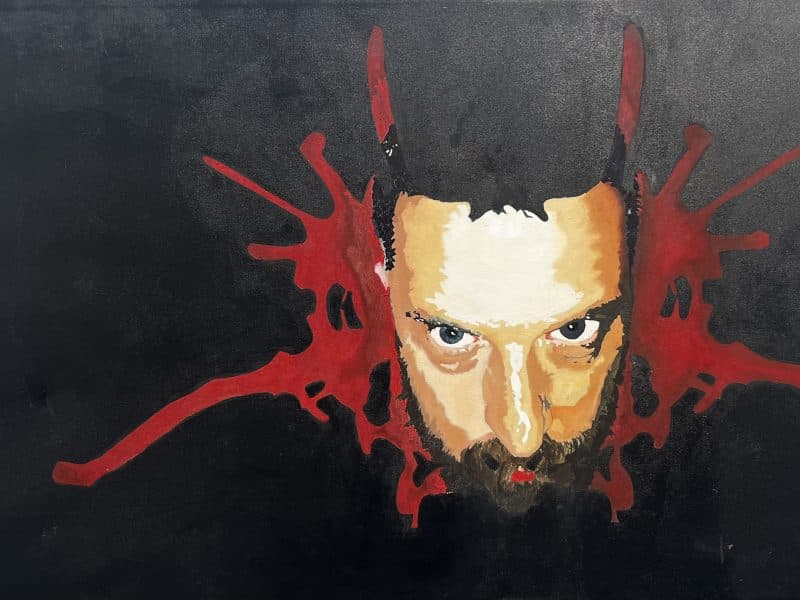
Matt Yoho finds his way back with ‘Alright So Far’
The Columbus artist’s new solo exhibition – his first in nearly 15 years – kicks off with an opening reception at Awesome Gallery from 1-3 p.m. on Saturday, April 11.
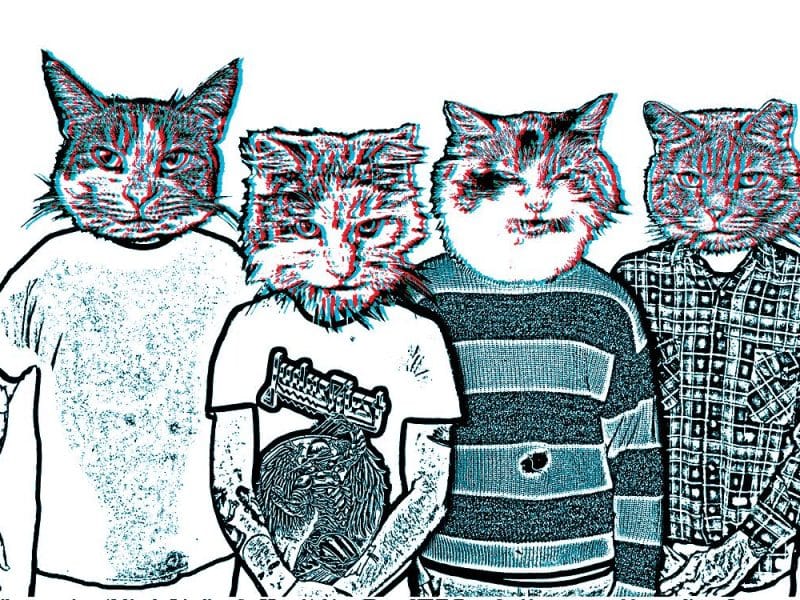
Unchipped screams into the void on ‘3D’
The pulverizing Columbus quartet will celebrate the release of its new EP in concert at Cafe Bourbon Street on Friday, April 10.
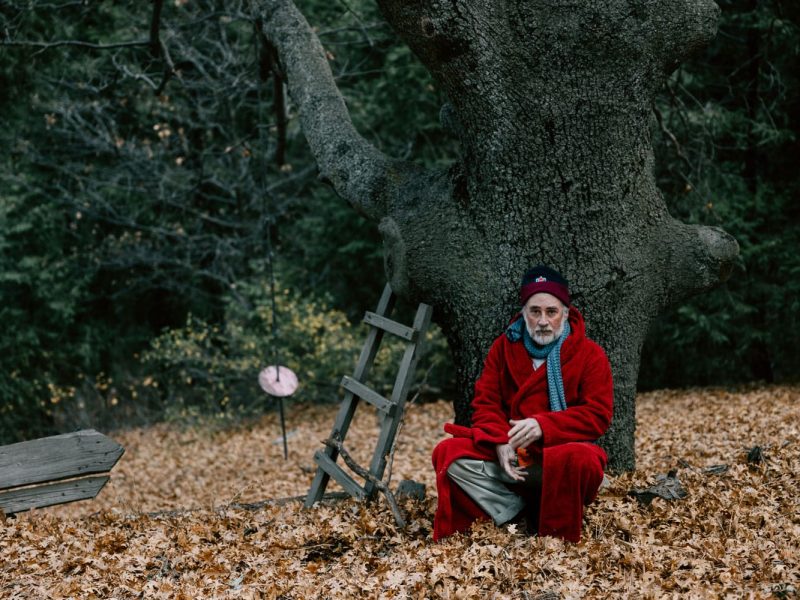
Tim Rutili continues to mine connection in Califone
Still on the hunt for answers to unknowable questions, the musician will join his bandmates in concert at Rumba Cafe on Saturday, April 11.