
Tyler Childers and Co. chart a compelling course at Buckeye Country Superfest
This year’s lineup boasted acts whose songs wrangled with issues of spirituality, the importance of connection, and the finite nature of existence, while also addressing the people whose enraging behaviors might see them placed on a ‘Bitin’ List.’
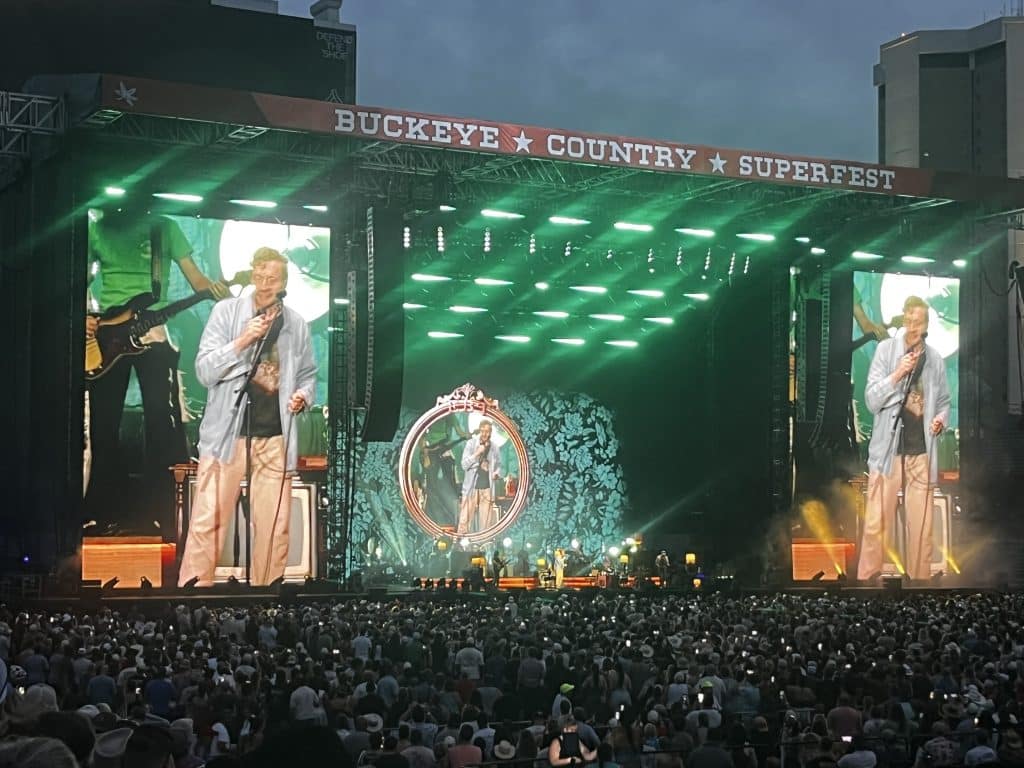
Tyler Childers flaunted a unique form of anger management at Buckeye Country Superfest on Saturday.
Midway through his performance at a packed Ohio Stadium, the Kentucky-born singer and songwriter went on an extended rant in which he called out the types of people whose behaviors can make daily existence more unbearable, including those who don’t clean up after their dogs, those who ride their bikes on the sidewalk, and those who don’t return their carts to the parking lot corral when they’re done shopping for groceries.
Delivered between sips of water from a mason jar, the monologue served as a winding introduction to “Bitin’ List,” which opened with Childers wishing he could weaponize rabies against those who have caused him angst and closed with the musician joining the members of his seven-piece backing band in growling, barking, and frothing like a pack of matted, diseased mutts.
A donation powers the future of local, independent news in Columbus.
Support Matter News
Though Childers framed the rowdy song as partially tongue-in-cheek, he acknowledged how the act of writing it served as a needed pressure release, helping him to let go of his anger, which he described as “an ugly thing to carry around, a heavy thing to carry around.”
Similar themes surfaced in the comparatively tender “Shake the Frost,” with Childers’ narrator expressing hope he could find in his lover the tenderness needed to quell the rage that still chilled his core. “Darlin, will you stay here and shake the frost off my bones?” Childers pleaded in his sharp, stubbled tenor.
Deeply felt and wonderfully off-kilter, Childers’ 100-minute set served as an ideal capper to Country Superfest, which from the headliner on down cultivated a different vibe from past iterations. Side-stepping breezy anthems about cold canned beer and/or hot women, this year’s lineup boasted acts whose songs wrangled with issues of spirituality (Red Clay Strays), the importance of connection (Sierra Ferrell), and the finite nature of existence (Lord Huron). Then there was Childers, who explored all of these concepts and more while also delving into more esoteric realms on a stage set up to resemble a 1970s living room, complete with a tube television, lamps, and porcelain sculptures.
Indeed, there are precious few country stars who would even consider recording a comically rowdy turn about traveling in Australia, let alone using it to opine on the STDs carried by koala bears, as Childers did with “Down Under,” one of a handful of songs he performed off of his 2025 album Snipe Hunter. Others included the set-opening “Eatin’ Big Time,” a rollicking turn that presented in part as a treatise on the challenges of navigating fame, with Childers taking note of the flexes afforded by his wealth – “Have you ever got to hold and blow a thousand fucking dollars?” he howled as he recounted shopping for a wristwatch – while also reckoning with the relentless nature of maintaining this success. “It’s fought for like a bitch,” he sang, “and it’s a bitch to keep it going.”
Childers, 34, has already lived a number of lives in his relatively short time on Earth, first hitting the road in his late teenage years, where he quickly earned a reputation for his vividly written bluegrass and country tunes, bone-hard and often rooted in the hardscrabble lives of those people he grew up alongside in Kentucky. In the years since, he has continued to evolve, serving as a country traditionalist; a spiritual vagabond; and with “Long Violent History” and the heart-rending, queer-themed video for “In Your Love,” an emerging voice of moral courage in the American South, the musician having embraced sobriety and the self-reflection that arrived hand-in-hand with it as an opportunity to speak up in defense of empathy and make concrete his allyship.
All of these personas existed to some degree at Ohio Stadium, Childers’ performance incorporating sweeping, deeply felt love songs (“Oneida,” colored in accordion, fiddle, and gentle sighs of pedal steel), rafter-shaking spirituals (“Way of the Triune God”), and novelistic country-rock barnburners about life on the fringes in the Holler (“Whitehouse Road”). Other songs resonated as more autobiographical, including “Honky Tonk Flame,” which found Childers exploring the nature of love and the forces that compel one to create that extend far beyond material gains. “Finally found out that the love of a woman/Who love me was all that I need,” he offered. “Still on the road ’cause I ain’t good for nothin’/Except writin’ the songs that I sing.”
Though Childers performed a handful of tunes that referenced the economic burdens felt by the working class, at least tangentially, he largely refrained from naming the forces causing these harms. Instead, he spoke more broadly about the importance of fellowship in bringing about greater equity. “There needs to be a lot more ice breaking in this country,” he said, “so we can all wade in the cool water underneath.”
Earlier in the day, the West Virginia singer and songwriter Sierra Ferrell established a similarly big-hearted tone, introducing songs by talking about the importance of prioritizing mental health, the need for equality, and how securing a future for our children required saying “no to data centers.”
At one point, Ferrell described her version of the American dream, detailing a society that prioritizes kindness and connection. Fittingly, this same pull existed in songs such as “Lighthouse,” the musician positioning other people not as points of friction but rather as places of harbor in a storm capable of making easier the journey.
Lord Huron followed with a cinematic set that often lingered on big questions related to the nature of existence, songs such as “Bag of Bones” making note of how “nothing lasts and no one stays/you just spiral off into outer space.” The music often matched this darkly cosmic feel, the Los Angeles six-piece crafting an expansive, shadowy world that conjured nighttime in the Western desert.
If Lord Huron’s music lingered into the wee hours, then Red Clay Strays served as a call to Sunday morning prayer, the Alabama six-piece, augmented at turns by a trio of backing singers, delivering a gospel-tinged brand of God-fearing country that rippled with religious imagery. Highlights included “Demons in Your Choir,” grittier and less sanctimonious here than on record, where singer Brandon Coleman presented the forces compelling a person to do harm as a devil on the shoulder.
As the band’s set progressed, it ventured further from the chapel, Coleman and Co. turning out songs about grief and love before closing with a lustful, boogieing “Fools Gold.”
“All I want is your body with mine,” Coleman sang as the players eased into a rollicking roadhouse groove, sounding content with the idea that he might have something to repent for by the time the next service rolled around.
Author

Related Articles
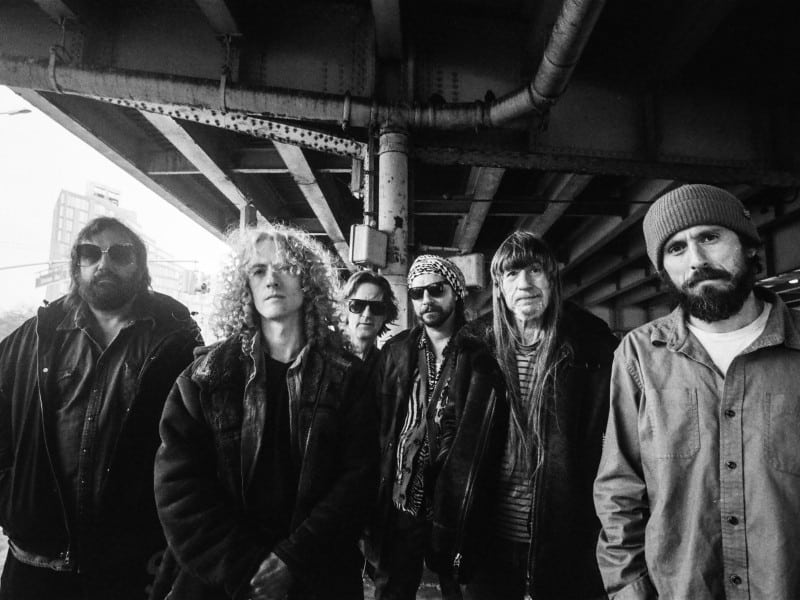
Prison finds freedom in sprawling psych-rock jams
The New York band’s current tour hits Rich Street Records on Saturday, Aug. 15.
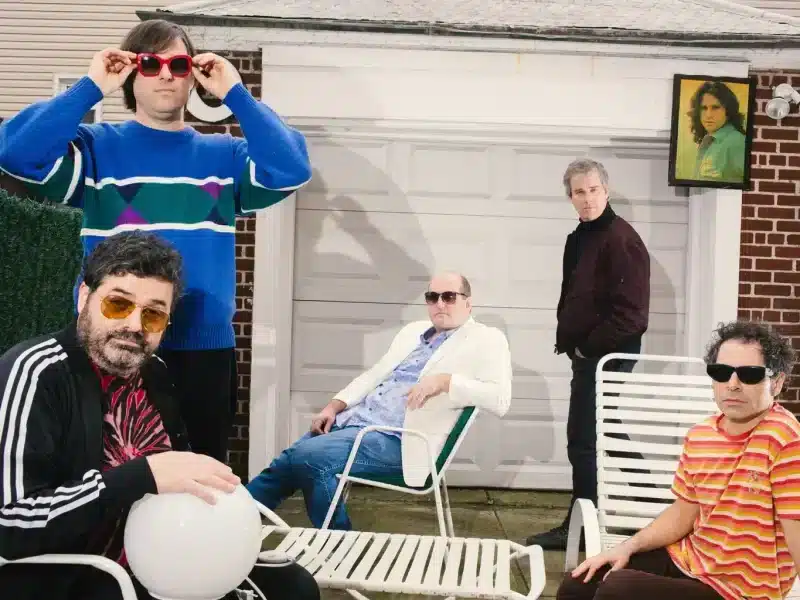
Curiosity, community continue to fuel Oneida
The long-running experimental rock band will visit Cafe Bourbon Street for a concert on Friday, Aug. 14.
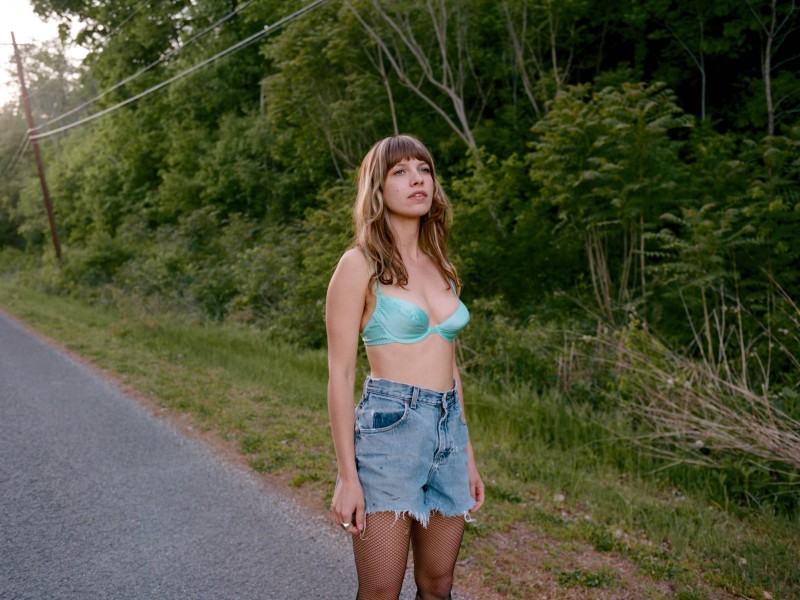
Angela Autumn attempts to find heaven on Earth with ‘Believer’
The Nashville-based country singer performs a free concert at the Snow Fork Event Center in nearby Nelsonville on Thursday, Aug. 13.