
‘Blood Pressures’ goes deeper at No Place Gallery
The exhibition, which closes on Saturday, Aug, 22, finds a group of artists engaged with interior worlds.
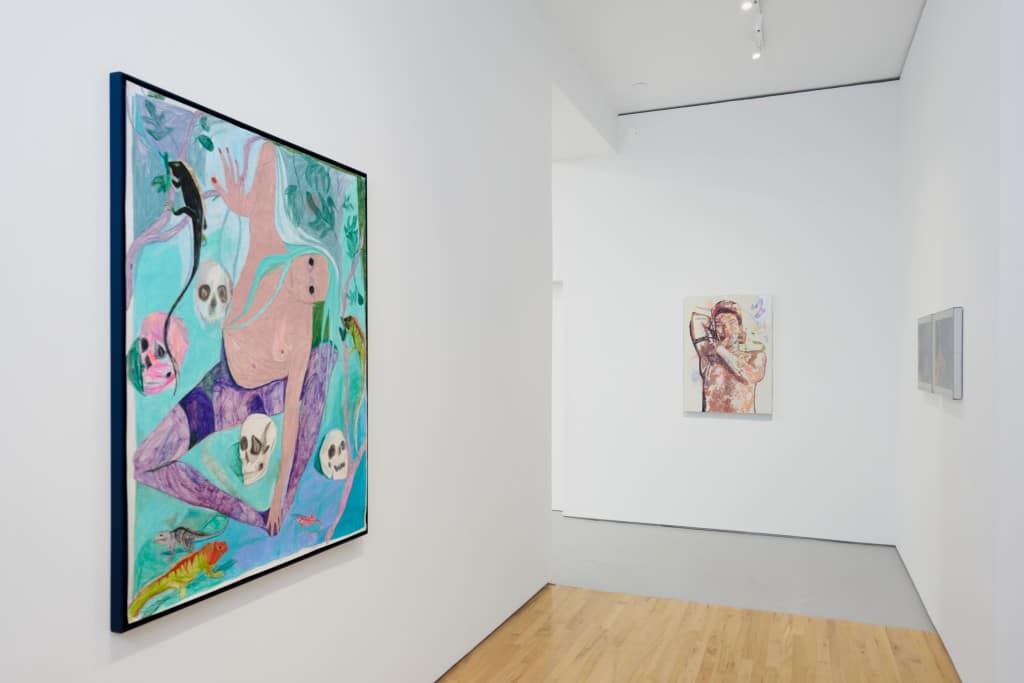
In developing the group exhibition “Blood Pressures,” now in its final week at No Place Gallery, Leo Kaplan said he first needed to tear down some walls.
“A lot of the artists I included in the show, they’re all in different cliques, and they all have very different social groups and aesthetics,” Kaplan said by phone ahead of the exhibit’s closing on Saturday, Aug. 22. “A lot of these artists didn’t even necessarily know each other. And I wanted to dissolve some of that tribalism that exists … so that we could have a more meaningful conversation.”
As these conversations unfolded, “Blood Pressures” expanded to feature work that is often deeply personal, the subject matter at times existing so close to the skin that it can be discomforting. Kaplan, for example, said his contribution is inspired by Thomas Hirschhorn’s “1 Man = 1 Man” series and rooted in the six years he danced in a strip club – a time he has yet to process fully and generally doesn’t enjoy making the public focus of his art.
A donation powers the future of local, independent news in Columbus.
Support Matter News
“I actually made that piece more than a year ago, and people would come to my studio and say, ‘Oh, that’s interesting.’ But I wasn’t sure. … And I feel like I almost put the show together around that one particular artwork because I was so resistant to doing anything with it.” said Kaplan, who felt comforted in displaying his work alongside similarly bold contributions from the other artists, including Noelia Towers, Liza Jo Eilers, Cameron Spratley, Paul Heyer, Kira Scerbin, Neal Vandenburgh, Manal Kara, CJ Shaw, and Eden Yono. “I remember doing a studio visit with Noelia Towers, and she was talking about how she’s been making this very specific type of work for a long time, and then she was like, ‘It would be cool to do something that’s not this.’ And there was a similar risk, where she was interested in breaking out from a very narrow script.”
Kaplan said there are aspects to how he approaches curation that can feel ill-suited to this current era. He acknowledged that he’s not a fan of the algorithm and recoiled at those artists who have keyed in on the best ways to garner eyeballs on social media platforms such as Instagram.
“When I look at Instagram now, I can see these patterns and the frame of reference from which people are making this art,” he said. “And one of the things I find really intriguing about this [exhibit] is that the artists aren’t worried about failure. They’re willing to make something purely out of curiosity. They’re trying to figure something out. They’re trying to communicate something. And these images they’re making … aren’t really resolved. You can’t really pin it down, and they’re kind of unstable. And that’s a vulnerable thing to show people … in contrast with a lot of what I see on Instagram or just in general in the contemporary art world, where it’s more slick or polished. There’s a messiness to this work, or an instability, and I think that’s generous.”
This trait required Kaplan to approach curation absent a formalized plan, and he described the installation of work as “an act of discovery,” uncertain how or even if the images might sit in conversation with one another. “I was just compelled by these people who have a certain intensity and vitality to what they’re making,” he said. “And I found myself looking at this series of images and being like, ‘I know these things relate to each other and I don’t entirely know why.”
The answer, at least in part, is captured by the exhibition’s name, “Blood Pressures,” aspects of which speak to the interior world in which Kaplan said the artists appear to have a shared interest.
“Absolutely, yes. … My metric when I look at people’s work, I’m like, are you connected with your interiority?” Kaplan said. “And I’m not saying that’s the end all be all of what art should be, but it matters to me. I’m a little put off by work that’s overly formal, or overly conceptualized or intellectualized, where I’m like, okay, good idea but this could have been an essay. And I think a lot of these people, a lot of these artists, they’re willing to go deeper.”
Author
Related Articles
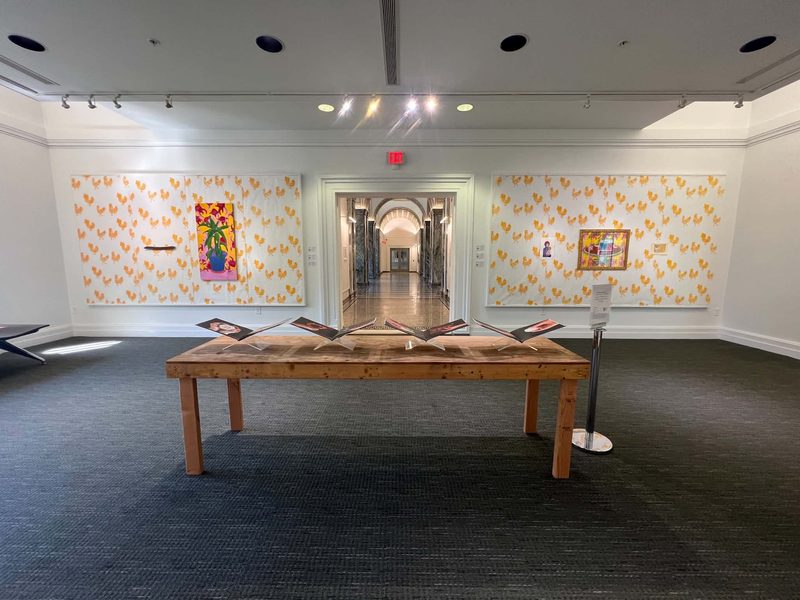
‘Immigration: A Journey of Belonging’ seeks deeper understanding
The new group exhibition, open now at the Losinski Gallery at the Main Library, will host a reception from 2-4 p.m. on Saturday, Oct. 3.
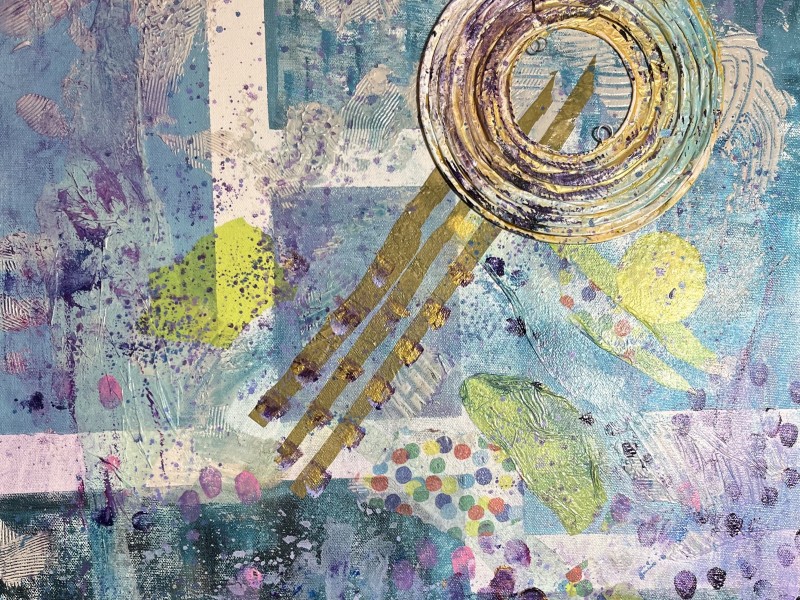
Deep conversations pave the way to ‘Chasing the Light’
A couple of years ago, Loren Bucek invited a group of artist friends to her Clintonville home. The gathering soon evolved into regular meetups that shaped the creation of a new exhibition opening this week at McConnell Arts Center.
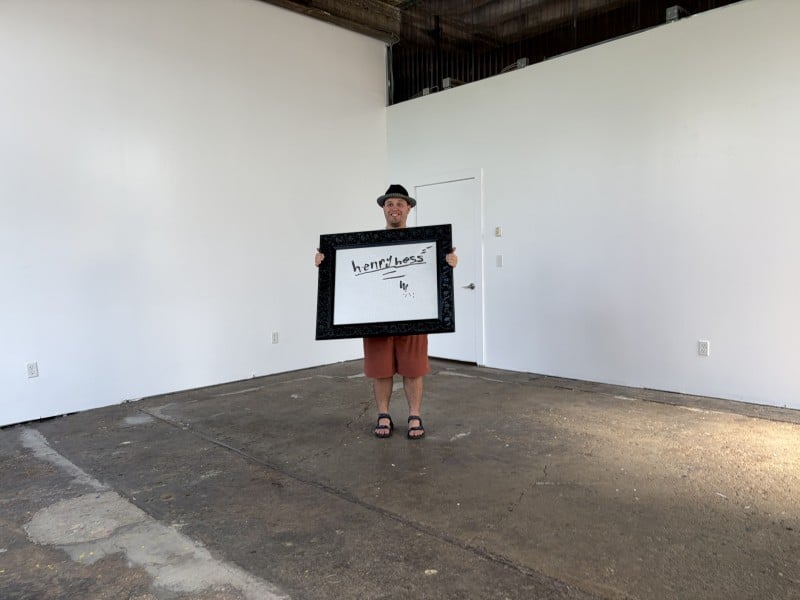
Henry Hess says goodbye to his longtime Chromedge studio
Faced with a rent increase of more than 30 percent, the Hess family opted to move on from the artist’s creative home of the last eight years. And while the next steps remain uncertain, they stressed that Henry would maintain a presence in Franklinton. ‘We’re not going anywhere,’ Sophia Hess said.