
Hello Emerson’s Sam Bodary begins to find community in his grief
‘I think the absolute worst parts of my life and the absolute best parts of my life are both probably on their way. And talking to people about these big and small moments of profound heartbreak, I think, is preparing me for that.’
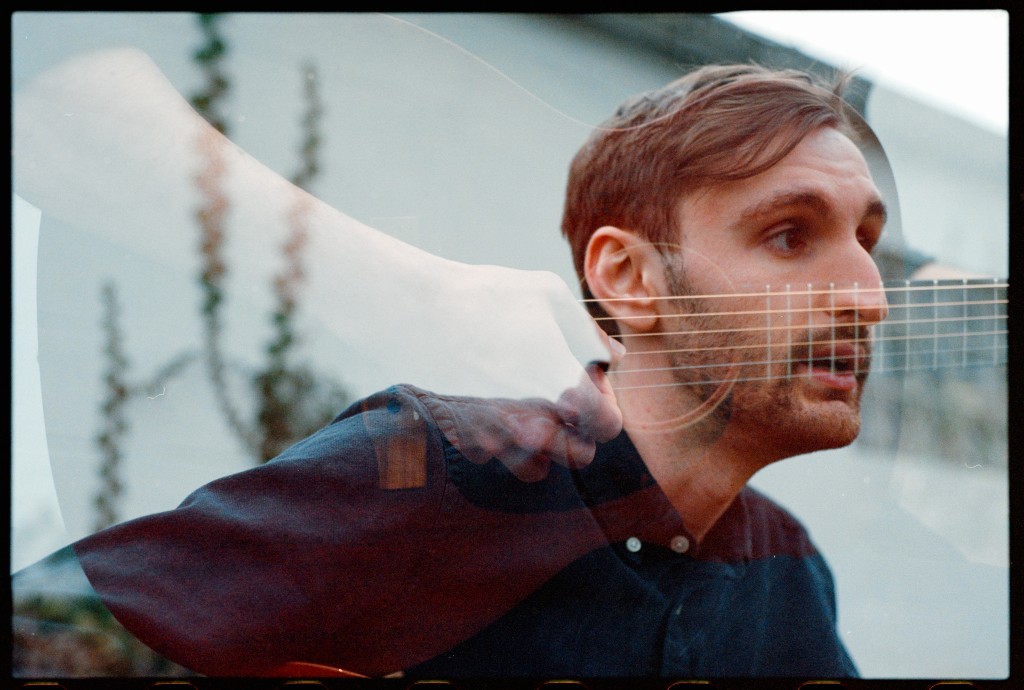
The months leading to Hello Emerson’s May 2024 tour in Germany were tumultuous for singer and songwriter Sam Bodary. He split from a romantic partner of five-years – a mutual decision he said emerged from “two people choosing not to abandon oneself for the other, and in a way that happened with a lot of love, care, and concern” – switched from part-time work at one library branch to a full-time position at another, and then was almost immediately thrust into the record-release cycle for Hello Emerson’s excellent third album, To Keep Him Here, which wrestled with the near death of Bodary’s father, David, who made a miraculous recovery after sustaining a severe head injury in a fall.
“And then I came back [from Germany] with the challenge for the rest of the year being, how do I make home home again?” said Bodary, who had been living with his partner in the years prior to the breakup and had to learn how to navigate day-to-day existence alone again in their absence. “I had just turned 30, and it was like, who am I in this place that I shared with someone?”
Simultaneously, the musician found himself wrangling with a series of questions that he said tend to arise in the aftermath of each album release. “On the other side of any project, you start thinking, gosh, how could I ever make anything again?” he said. “What could I even work on?”
A donation powers the future of local, independent news in Columbus.
Support Matter News
As Bodary continued to slog through his grief, buoyed in the process by family and friends, his focus began to shift outward, driven by an interest in how others have experienced and navigated loss and a growing desire for connection. With an understanding that Hello Emerson had amassed a dedicated online following, in the fall he posted a submission form online in which he asked strangers to submit to brief, recorded interviews recounting the formative heartbreaks of their lives.
Entering into the project, Bodary anticipated the conversations would heavily focus on romantic endings – an idea fueled by the headspace he found himself in at the time and which was quickly upended. “And all of these vignettes that people shared with me were stranger than anything anybody could make up, or more specific and vivid than anything I could have dreamed up alone,” he said. “And that, I think, is the beauty of actual, real life. They’re all just these unmakeupable moments of strangeness that I think are really precious and important.”
In limiting the interviews to 20 minutes, Bodary hoped to create an environment similar to the ones he has experienced hosting touring musicians in the spare bedroom of his home, in which brief conversations over breakfast allow guards to more quickly drop, with relative unknowns trading intimate details about those things they’re currently sorting through. “I think there’s this unique way that you can share stories with strangers, where it’s almost this permission slip to be pretty honest, knowing this person is not involved in your day-to-day life,” Bodary said.
Coming into the project, Bodary wasn’t sure what form it might take. He didn’t know if he would take multiple interviews and boil them down into a single song, or if circumstances would lead him to take a different artistic path, with these confessions giving way to a chapbook or even a serialized collection of stories.
“It’s maybe the first time in my art life where I’m feeling a big sense of freedom from this self-imposed limitation,” he said. “If the mission is to ease loneliness in myself, my community, and people I may never meet, and the way to do this is to deify the heartbreak stories shared by these strangers, then it opens it up to, well, they could be songs, they could be written down, they could be spoken word stories. And that, I think, is a new and unique experience for me.”
The impact of hearing so many stories of grief has been manifold on the musician, strengthening his sense of empathy and serving as a reminder of our collective resilience. “Talking to somebody for 20 minutes after work about some super hard thing, I think it does help us maintain our humanity and helps us make better decisions in a world that wants us to forget about each other,” he said. It has also allowed the musician to begin to see something of a through line in the deeply varied stories, which ranged from experiences much like his own, centering romantic partners who went their separate ways with love and respect intact, to people who lost parents in sudden, tragic ways that for a time left them struggling to find a sense of closure.
“I think people have a really extraordinary ability to make a sense of meaning in the wake of loss, and to take the pieces they have and make something beautiful out of it,” Bodary said. “And that doesn’t mean anything was meant to happen. And it doesn’t mean there’s any grand plan. It just means that we as people want to make something. And even in dire circumstances and even after dire circumstances, where we’re left with losses of any kind, we still want to make something.”
This idea is reflected in “Bright Yellow (Bedroom Version),” the first song to emerge from Bodary’s conversations on grief, which recalls the experiences of a woman whose father died in a plane crash. “I went to see the wreckage eight weeks later,” Bodary sings, his voice warm and tender. “As if seeing where it happened could make life a little safer.”
Pulling up to the crash site, the daughter witnesses a crater five feet deep and 12 feet wide, but also an expanse of yellow flowers that she imagines has grown from the sunflower seeds that her father always carried with him as a snack – her way of finding some semblance of beauty in the midst of overpowering hurt.
“Nothing that comes after a profound loss makes it quote-unquote ‘worth it.’ And I don’t believe anything happens for a reason. We’re all just here and reacting. And in that particular conversation, I love that a way she’s chosen to move forward is to think, ‘Yes, the plane had a full tank of gas. Yes, I’m sure it was fiery and destructive and immediate. But maybe that didn’t destroy all of the sunflower seeds that might have been on board. And maybe that’s why there’s a field of sunflowers that was able to push up and grow through all the bits of glass and metal and fabric from this plane wreck years and years ago,’” Bodary said. “And maybe not. Maybe they were there the whole time, right? But these are the choices we get to make when faced with tragedies we can’t control.”
Moving forward, Bodary said the plan is to release one new track a month from the project through the end of the year, initially working solo to create so-called “bedroom versions” of the songs, which will then be evolved into full-band versions for the next Hello Emerson album, Brief Interviews on Heartbreak, likely surfacing sometime next year. It’s a new process for the musician, and one he said is intended to mirror his own experiences with grief, which initially stripped him bare and left him feeling isolated, growing within him a deep loneliness that eventually pushed him to seek community.
“So, you get to make that first version alone and have it sound like whatever it’s going to sound like,” said Bodary, who will visit Cafe Bourbon Street for a concert on Saturday, May 24, joined by Call Me Rita. “And then it’s going out and seeking support from your friends to make something you couldn’t make on your own, and which will inevitably sound radically different.”
And yet, echoes from the past remain, the decision to lead with “Bright Yellow” in some ways linking the developing project with To Keep Him Here, its tale of parental loss playing like a tragic flip side to the musician’s own experiences.
“I was pretty certain I was losing dad, and that didn’t come to pass,” Bodary said. “I don’t know. I think the absolute worst parts of my life and the absolute best parts of my life are both probably on their way. And talking to people about these big and small moments of profound heartbreak, I think, is preparing me for that. And I’m thankful.”
Author
Related Articles

Xenia Shuman enters into a new creative season
The Golomb bassist recently released the first new songs she has written in nearly a decade.
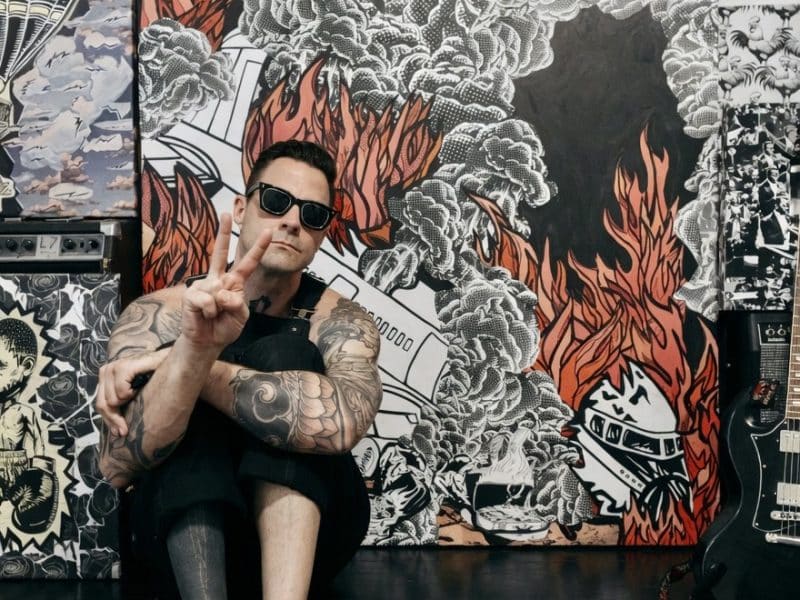
Johnny Williamson finds himself on the other side of ‘Nightmares’
In the midst of rebuilding his life for the second time, the Columbus artist and musician will host a dual album listening party and exhibition at Rehab Tavern in Franklinton on Friday, June 5.
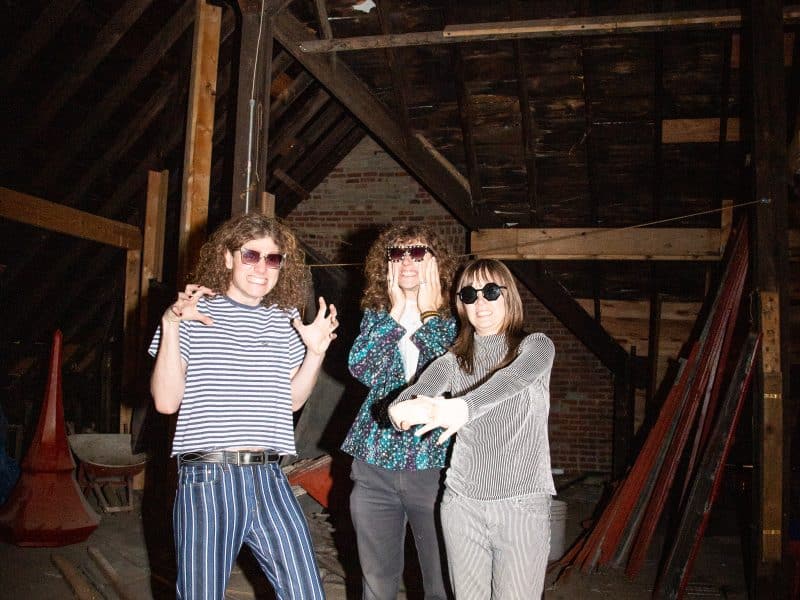
Jackoff Demons traverse heaven and hell with ‘Second Coming’
The Columbus trio will celebrate the release of its sophomore album at Cafe Bourbon Street this weekend, performing as part of the Bobobalooza anniversary show on Saturday, June 6.