
Karate Coyote howls again with reunion show at Columbus Arts Fest
The band’s original, six-member lineup will share the stage for the first time in 13 years at the Genoa Park stage on Saturday, June 13.
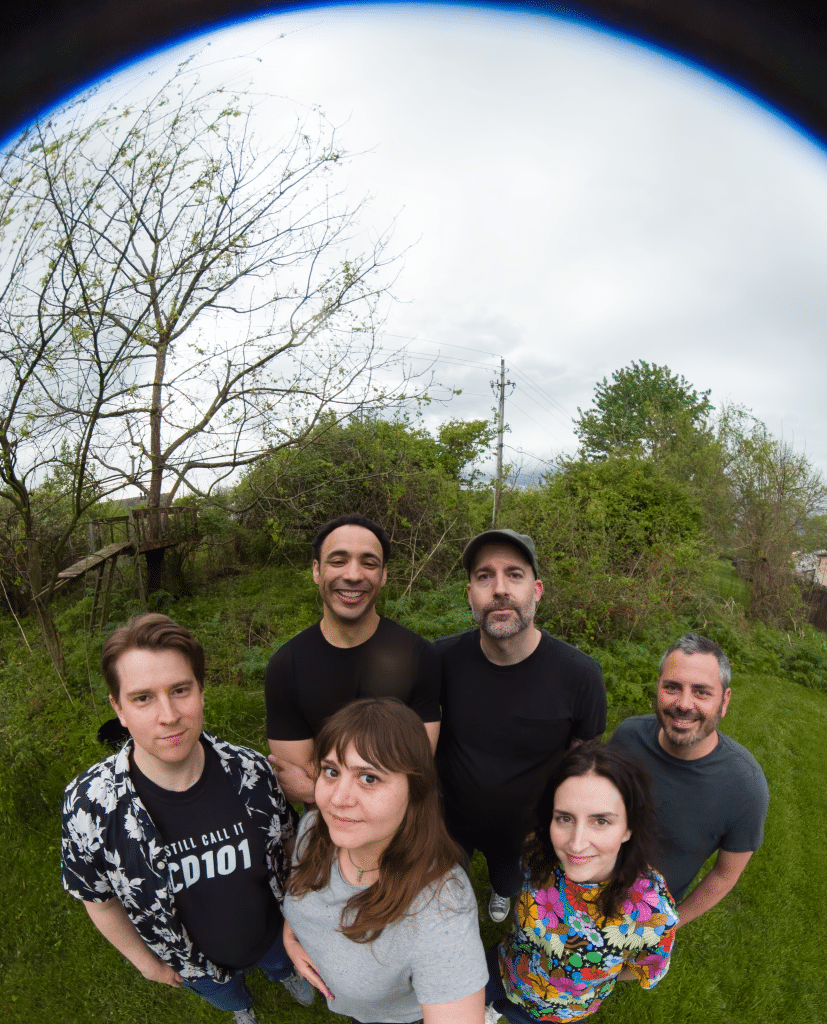
In the decade-plus since the original, six-person lineup of Karate Coyote played its last concert together at Independents Day in 2013, Nic Jados said there have been occasions where he daydreamed about the band reuniting, though he generally dismissed these thoughts as an impossibility.
“It’s just that so much has changed in our lives,” said Jados, who joined fellow Karate Coyote bandmate Sam Corlett for an early June interview ahead of the group’s reunion show at the Columbus Arts Festival, which takes place at the Genoa Park stage at 8 p.m. on Saturday, June 13. (Click here for a full roster of Arts Fest performers and set times.) “When I think back to our music from long ago, a lot of it was about the change we were going through when we were in our early 20s. And now, that’s just compounded with careers and children and families. … And I think that was the biggest hurdle for me, disrupting everybody’s daily lives to do something like this.”
And yet, the two said there was no hesitation when Arts Fest organizers approached the band in late 2025 about the possibility of reforming for this year’s event, the group chat lighting up with messages for the first time in seven years as everyone chimed in to affirm their interest.
A donation powers the future of local, independent news in Columbus.
Support Matter News
In concert, the bandmates will be recreating the songs off their debut album, Inner Animals, from 2010, with Corlett recalling how the release coincided with a formative stretch where she was trying to figure out how the rest of her life might unfold. “It was a big, busy time where it felt like I was making really important decisions about what my future might look like,” said the singer. “And that was part of the reason I ended up leaving the band, because there were too many things I needed to do, too many versions of myself I needed to figure out how to be.”
These types of big-picture concerns spill over into songs such as “I Was Young/Meantime” and “Move Yourself,” a caffeinated, pogoing pop-rock earworm on which Corlett ponders the possibilities that might exist for the band were it to venture outside of Columbus. “Move yourself to France, move yourself to New York City,” she sings, eventually settling on more modest aims. “Move yourself to dance.”
For Corlett, part of revisiting these songs has involved setting aside embarrassment, the singer acknowledging that the lyrics reflect an era when she was “very much into making big statements about my emotional life.” “There were a few songs where I was like, ‘I don’t want to do this, guys,’” she said. “But we ended up deciding to do them, because it’s the song and it’s the time, and it’s fine and funny. And I think in addition to feeling silly, I also … feel proud of myself. It was the first step setting me on a path where I realized I love singing with a band, and I’m very grateful to still be on it.”
Even in its heyday, Jados said Karate Coyote had relatively modest aims, intent on building a local fanbase and snagging rad shows where available – the band opened for Spoon and once played a basement gig in Athens with Twenty-One Pilots and Walk the Moon. At the same time, he said the musicians never had any interest in sacrificing it all for a career in the industry. “When I look back, I don’t think that’s what we all truly wanted,” Jados said. “We never completely dove in and 100 percent severed everything else, and I think you have to do that if you really want to go for it.”
In rehearsing the songs over the past several months, Corlett and Jados said they have not only revisited the people they once were, but also the musicians. Jados, for one, allowed that he’s much more proficient on the bass now, though he’s struck by the complexity of the parts he composed as a younger man, which he described as unrefined but jazzier and marked by bold choices. “My playing now is naturally more straightforward,” he said, “but it’s been neat to relearn those parts and sort of walk in my shoes again.”
Corlett, in turn, said she remains in awe of the enthusiasm with which she threw herself into her vocal parts, often in harmony with singer/keyboardist Kendra Jados. “It’s almost a full-on yelling kind of singing,” she said. “And I don’t sing that way anymore, so it’s been interesting to sing that way and remember myself. And I think it’s given me more bravery, seeing the bravery that I had before.”
Both have also had to contend with the pace of the music, their youthful exuberance channeling into songs that move with such speed that the tires barely keep touch with the pavement at points. “We’ve joked pretty much every rehearsal about how fast we were playing,” Corlett said. “So, for most of the songs, we’ve been like, ‘You know, maybe we’ll just slow it down a little bit.”
Jados and Corlett described the excitement inherent in the music as a natural extension of their earlier youth and wonder, which they said has a fun space to revisit even as it has reminded them that they’re in a far better place these days.
“I look at it now, and I’m like, ‘Aww, look at these cute young people with their emotions and energy,’” Jados said. “Now, I feel much more mature and calm, so while I can appreciate all of that, I’m glad I’m not living through that cycle anymore.”
“Yeah, I’m no longer in turmoil all of the time,” Corlett said. “And I feel like I can still hear that a little bit in those songs.”
Author
Related Articles
Angela Autumn attempts to find heaven on Earth with ‘Believer’
The Nashville-based country singer performs a free concert at the Snow Fork Event Center in nearby Nelsonville on Thursday, Aug. 13.
Dari Bay charts a more focused course on ‘Surprise Wish’
Vermont singer and songwriter Zack James, who joins Columbus’ Villagerrr for an early concert at Ace of Cups on Saturday, Aug. 8, said he’s approaching music with a different level of intent these days.
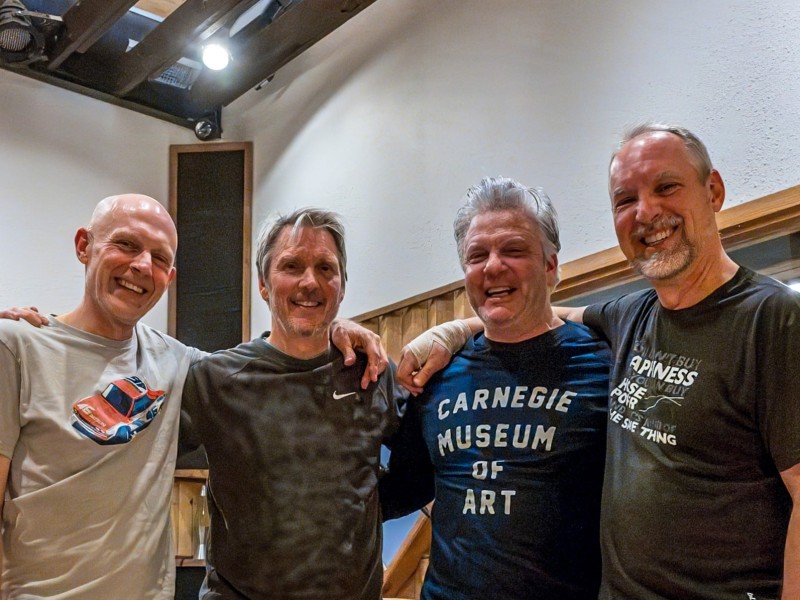
Greenhorn breathes new life into old songs with ‘The Dreamer’
Brothers Dan and Mark Spurgeon talk about rerecording a slew of the Columbus rock band’s early songs for their newly released album.