
RJD2 continues his evolution with ‘Visions Out of Limelight’
The Columbus musician and producer, who will headline a record release show at Land Grant on Saturday, June 22, continues to ‘explore the boundaries of space’ on his eighth full-length album.
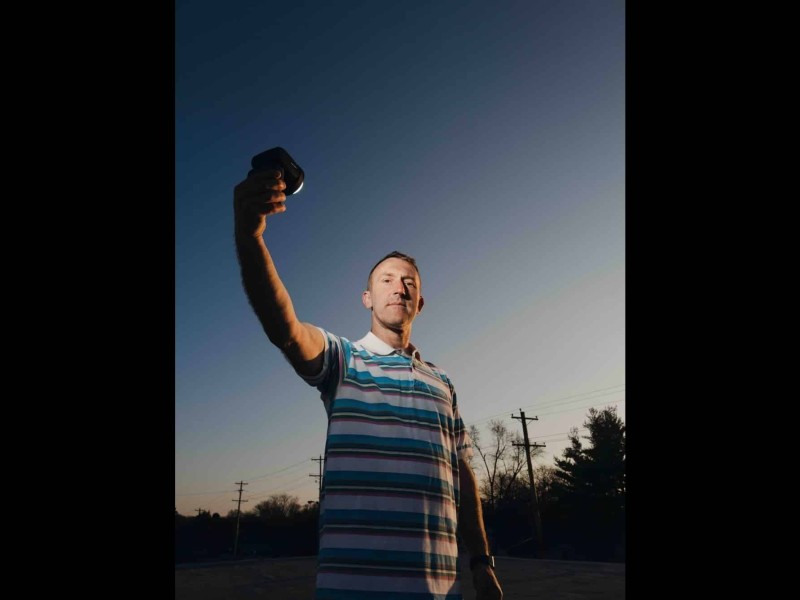
For more than three decades, RJD2 has operated as a musical chameleon, each successive release surfacing a new series of sounds and sonic inspirations. On his landmark album Deadringer, from 2002, the Columbus-based musician and producer blended hip-hop, soul and psychedelia, pivoting just five years later to the comparatively baroque, indie-rock indebted tracks of The Third Hand.
“I understand that music is not as meaningful to everyone on the planet as it is to me. But for those people who do find music meaningful, I really don’t understand how you can keep squeezing juice out of the same orange for your whole life,” said RJD2, whose new album, Visions Out of Limelight, drops today (Friday, June 14), followed a week later by a local release show at Land Grant on Saturday, June 22. “It doesn’t mean I don’t like [the music] I liked when I was 18, but it doesn’t have the same novelty and excitement, and it doesn’t get my juices flowing in the same way. Discovering a Miles Davis record I’ve never heard, or something that was unreleased, that gets me excited in a way that listening to Master of Puppets or Raising Hell or whatever for the nine gazillionth time doesn’t. … It’s just what life is, where you’re curious about things and you’re always learning. And that same exploration applies to music.”
This is particularly true of his own recordings, which the producer invests so many hours into creating that he carries with him at all times a full mental blueprint of each song, enabling him to pinpoint where every bolt has been secured. “It’s like spending the whole fucking day behind Oz’s curtain,” he said, “and then stepping in front of it and hoping to find some wonder.”
RJD2, born Ramble Jon Krohn 48 years ago, doesn’t view this deep curiosity with which he is imbued as a unique trait, describing it instead as “something closer to the default mode of the human mind.” But this desire to explore those outer fringes makes its presence felt throughout Visions Out of Limelight, surfacing on tracks such as “Resting on the One,” a loosely psychedelic tune on which the music repeatedly comes to a halt, resting on the one of each bar in a way that becomes gradually unsettling. “It’s me exploring the boundaries of space,” RJD2 said. “And that rest, that silence in each rotation of the groove, it’s supposed to create tension.”
A donation powers the future of local, independent news in Columbus.
Support Matter News
Part of the process, RJD2 said, involves striking a proper balance between this innate pull toward newness and an awareness that he doesn’t want to completely alienate an audience. “And granted, I’ve swung that bar far enough where maybe at times I’ve been overly ambitious in my career,” he said. “But I also don’t ever want to not challenge a listener. If I’m just out there repeating myself, at that point am I just creating commerce? Am I just making a widget? Am I a fucking widget maker now?”
With Visions, there’s heightened focus on an array of rubbery, deep bassline grooves, and a majority of the tracks are structured around a more melodic core, the musician creating with at least some focus on delivering seamless passages that could more readily burrow into a listener’s subconscious. Witness “Through It All,” which gets a vocal assist from the British singer Jamie Lidell but draws its enveloping, pulse-slowing impact from the gorgeous piano laced throughout the gurgling track.
“And that piano part was something where I was like, ‘I want this on this album, in this location, in this sequence, because to me it was a soothing passage,” RJD2 said. “And those dynamics are always in play for me. I want the albums to feel at times soothing or comforting, and at times challenging and even bordering on abrasive. … So, these are all elements I’m trying to bring, and then how you sequence them and how you put them together becomes the story that you’re telling over the course of the album.”
For RJD2, this story is an evolving one, with his music remaining in continual conversation with itself. In this way, the concepts and sounds he unearths working toward one project will occasionally turn up in altered form on a later release, each album serving as both a response to and an evolution on everything that came before it.
While the musician’s relentlessly curious nature remains intact, other aspects of his creative being have shifted, including the core drive that moves him to pursue this work. In making 2020 album The Fun Ones, RJD2 said he engaged in lengthy interviews with his various collaborators, including the rapper Phonte, in which the artists unpacked the concept of motivation and laid out the sense of purpose that compelled each to continue making and releasing music. In the years that followed, these ideas continued to germinate in the producer’s head, more recently coming to a fuller flowering that has led to a seismic shift in how he views his practice.
“When you first hit record on a cassette in your bedroom, whether you’re playing or singing or anything, there’s a novelty to hearing yourself, where it’s like, ‘Holy shit, magnetic tape can do this?’ And it’s almost like this black magic shit. And the next phase of that is sharing the music, which at some point becomes sharing the recordings with strangers. And then there are all of these other micro-frontiers along that continuum,” he said. “And I think the sheer novelty of creating something that didn’t exist one day, and the next day it did, carried me through for a long time. … But it’s 2024 and I’m 48 now, and to put it bluntly, I’m looking at how I want to spend my time in the third and fourth quarters of my life.”
For RJD2, this awareness of the finite has sharpened and intensified his focus on music, and he expressed a desire to build on a catalog that can impact generations long after his time on Earth is up. “I don’t necessarily want to achieve maximum volume, but I have this sense of purpose now around making records,” he said. “To state the obvious: Every year you’re living, that’s one less year you have to make records. And the urgency of that is not lost on me. What is it they say about this life? Nobody gets out alive.”
Author

Related Articles
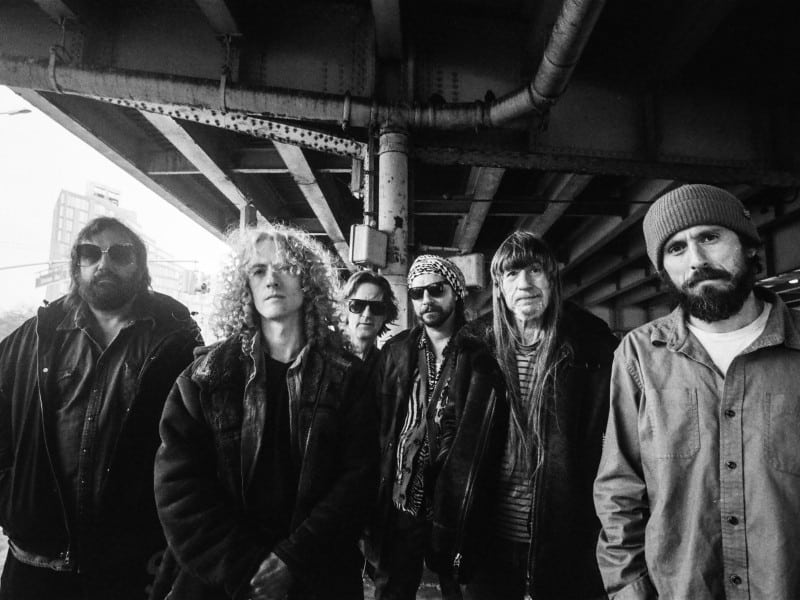
Prison finds freedom in sprawling psych-rock jams
The New York band’s current tour hits Rich Street Records on Saturday, Aug. 15.
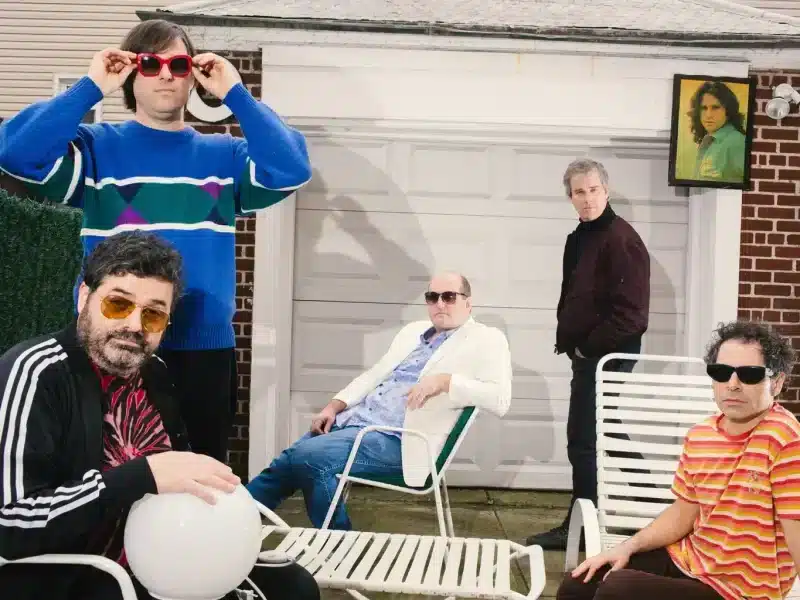
Curiosity, community continue to fuel Oneida
The long-running experimental rock band will visit Cafe Bourbon Street for a concert on Friday, Aug. 14.
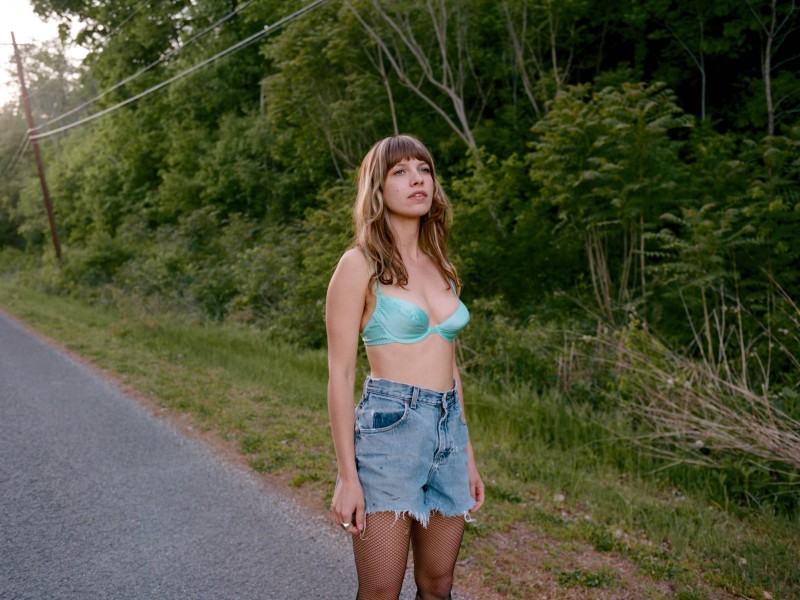
Angela Autumn attempts to find heaven on Earth with ‘Believer’
The Nashville-based country singer performs a free concert at the Snow Fork Event Center in nearby Nelsonville on Thursday, Aug. 13.