
Victim impact: Listening to testimony at work on a Tuesday in April
At one point, a woman thanked the judge for letting her speak. The judge replied, ‘It’s the least I could do.’ And the woman replied, ‘You’re right. It is the least you could do.’
I had work to do, but I didn’t want to miss the victim impact statements. I let the sound run in the background on my computer. Responding to emails, working on letters to the sound of testimony. As the morning wore on, with the window cracked in my office, some construction noise came through and then was muffled by a brief rain shower.
But the testimony was unrelenting. Parents sharing stories of how their children with substance-use disorder died from an overdose. Loved ones sharing their pain, accumulated over years of struggle, but still fresh, still raw. A mother telling the court that their child’s story was “too common to even be significant.”
But of course, it is not, nor should it be.
A donation powers the future of local, independent news in Columbus.
Support Matter News
Victims pointed to the hypocrisy of doling out prison sentences to small-time dealers under drug induced homicide statutes while not holding pharma execs to the same bar.
One woman shared that her last memory of her loved one was of trying to breathe life into him.
More than 40 people spoke on April 28, 2026, and over 200 submitted letters as a court in New Jersey accepted Purdue Pharma’s plea agreement and sentenced the company to pay fines and penalties of $5.5 billion. What began in 2020 with a guilty plea to charges of paying kickbacks to doctors and deceiving regulators ended with this brutal testimony, this avalanche of sorrow.
For most of the day, U.S. District Judge Madeline Cox Arleo gave space and respect to victims in her courtroom. There were people with lived experience. People in recovery. People who had lost so much. Purdue Pharma has been dissolved, but the emotional pain persists.
But I had meetings to run, to attend, and to schedule. I turned the volume down a bit. It became a low hum in my office.
In her short story, “The Reverse Bug,” Lore Segal writes of a human rights conference at a small liberal arts college, a bit like the one where I work.
A panel is convened to discuss whether there’s a statute of limitations on genocide. The event is interrupted by the sound of screaming, an engineer’s “reverse bug,” the horror at the center of the discussion makes its presence known.
Most people don’t get a platform, don’t get respected or seen or known. Most people don’t get the opportunity to speak the names of their loved ones who have died unnecessary deaths to the rich and powerful. This hearing may have happened in New Jersey, but the buckle of the opioid belt was in central Appalachia.
We’re told we will be listened to, and then we are not. The feeling of powerlessness surrounds us like a bad smell. We almost can’t escape it.
At one point, a woman thanked the judge for letting her speak. The judge replied, “It’s the least I could do.” And the woman replied, “You’re right. It is the least you could do.”
This is why our country is angry and anxious, why so many feel belittled and denigrated. Because it keeps happening, because billionaires keep getting away with harming others. An unnecessary war in Iran that has cost $25 billion so far jacks up the price of gas. We are told we need this or that technology to stay employed even as it destroys our communities and our mental health. We’re told the Epstein files will be released, and then they are not. We’re told the billionaires will be punished, and then they are not.
Most people without law degrees don’t really understand what happened at that sentencing hearing. I don’t really understand. Like most people, I know that a deal was made, and it had been in the works for years. And I know that the Sacklers would never do any time behind the walls of a prison.
A deal was made. An agreement reached. It’s all settled.
But not really.
And then I heard a man say his son wished to speak. Something shifted. I turned up the volume to hear a young voice coming out of the speakers on my computer monitor.
A young boy who lost his mother told the court, “I believe that if my mom had not been given those pills, my mom would be here.” He said he thinks because of her loss he has had depression and thoughts of harming himself.
It stopped me running around. It stopped me.
“I hope you feel guilty,” he said to the lawyers representing the Sackler family.
I heard you. We all heard you.
Author
Related Articles
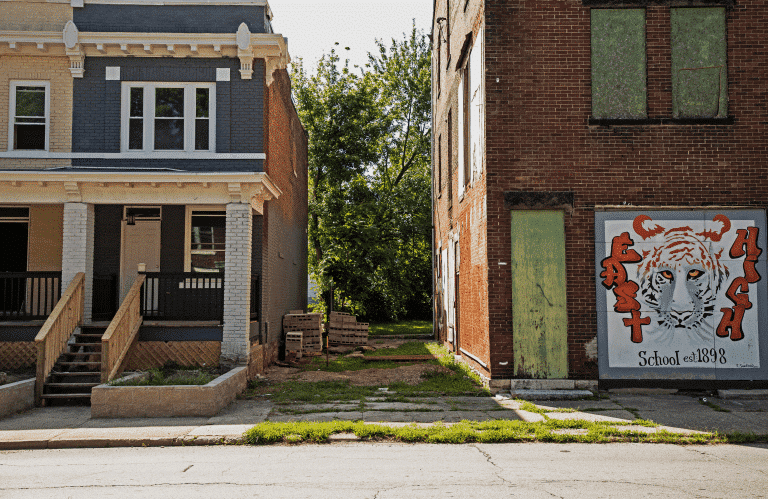
On Development: Our neighborhoods need density, not DoorDash
Density creates the critical mass that can put local restaurants within walking distance of other shops and neighborhood services and attractions.

The billionaire-backed think tank that wants to change harm reduction and homeless policy
Joe Lonsdale’s Cicero Institute contends that we can arrest our way out of the housing crisis, and that states must enforce laws ‘prohibiting open drug use, urban squatting, camping, and loitering.’
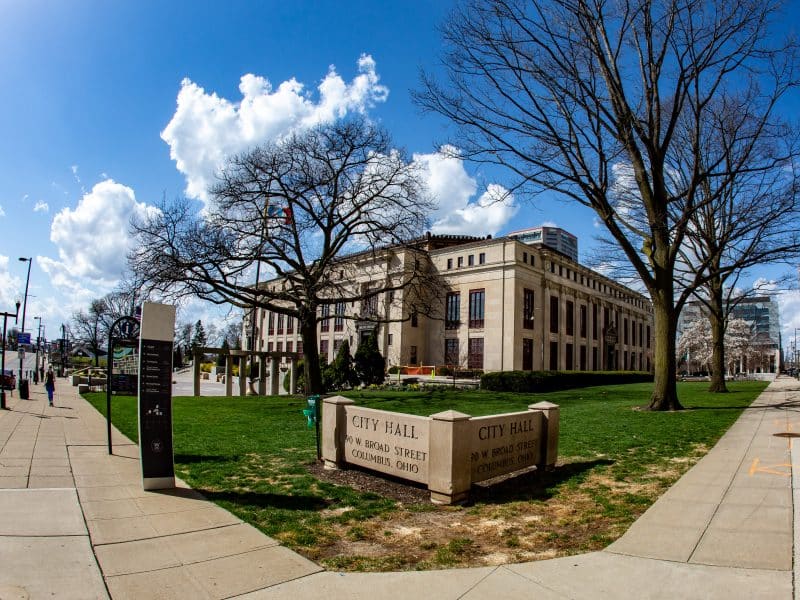
Opinion: You can’t talk about Issues 8 and 9 without race
A problem with the discourse around these issues is that it isn’t being completely honest when it comes to race. Not publicly, anyway.