Thomas Dollbaum takes his time getting to ‘Birds of Paradise’
The Florida-born, New Orleans-based singer and songwriter performs at Nelsonville Music Festival this weekend.
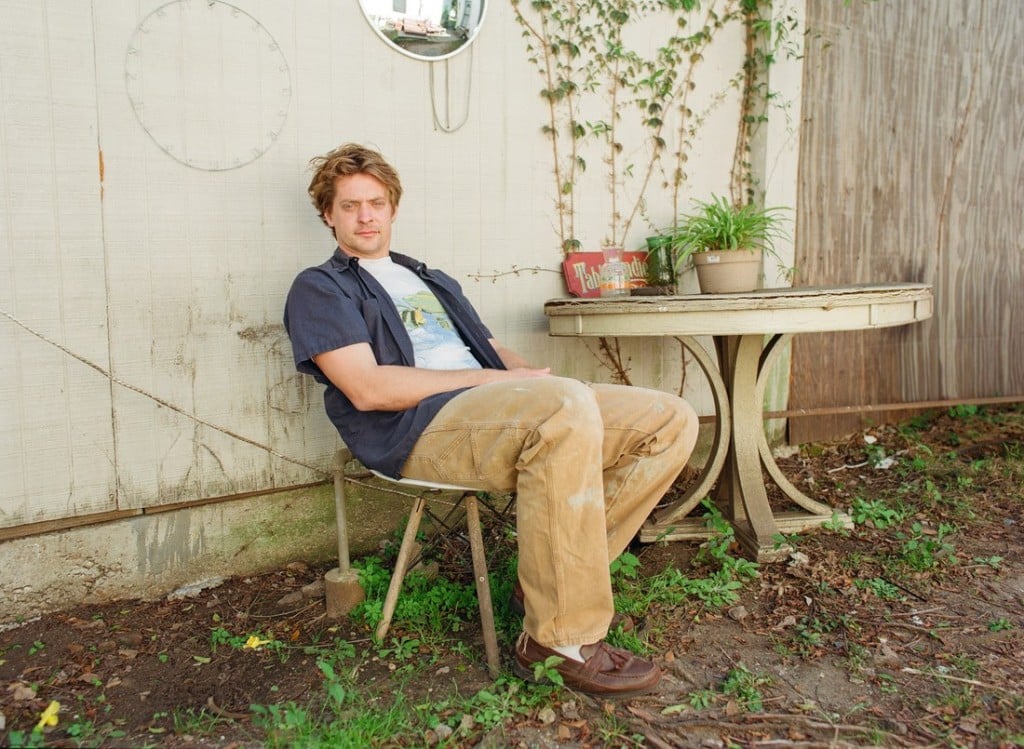
Though Thomas Dollbaum has made his home in New Orleans for a decade, his songs still have a deep connection to Florida, the musician and poet having been born and raised in a semi-rural area on the fringes of Tampa.
“I imagine most of my songs set there, because I grew up there,” said Dollbaum, who will perform at the Nelsonville Music Festival on Saturday, June 20. (The festival runs Thursday-Saturday, June 18-20, and a full schedule of performers and set times can be found by clicking here.) “All my memories are there.”
Dollbaum is keenly aware of the national narrative that has developed around his home state, informed by “crazy news stories with the Florida Man kind of vibe,” as he explained it, making reference to the internet meme that alleged a link between unusual headlines and the state, and which the musician described as a byproduct of Florida’s robust sunshine laws that preserve and make public all arrest records. “It’s got a very dumb national persona, and some of it is deserved and some of it’s not,” he said. “I do think the state gets kind of caricatured, and so I try not to fall into that, and I try to write against that narrative.”
A donation powers the future of local, independent news in Columbus.
Support Matter News
The songs on Dollbaum’s lovely sophomore album, Birds of Paradise, released earlier this year via Dear Life, are more intimately shaped by his adolescent memories of the state, and more specifically the ways its wilderness existed amid the expanding reach of humans. Throughout, his narrators can be found chasing rabbits across burned out fields, praying coyotes won’t feast on their house cats, or traversing thick, shaded mangrove groves under the watch of vibrantly colored birds.
“And that’s how it felt growing up, because I grew up outside the city, where it was pretty rural for a minute,” Dollbaum said. “As a kid, a snake would end up in the house, or there would be an alligator in the garage. Nature was just always kind of encroaching, because [that area] had been untouched for so long. And I guess it’s just me thinking about that time, where you’d be worried about a coyote because you were the ones encroaching on their space.”
Dollbaum is supported on the record by a backing band that includes a then pre-Manning Fireworks Jake Lenderman, who played drums and then later added backing vocals to a handful of tracks, in addition to playing guitar on album standout “Dozen Roses.” Dollbaum met Lenderman on tour in Asheville, North Carolina, introduced to him by the writer Ashleigh Bryant Phillips, and he has since developed a kinship with a handful of artists from the region, including Nelsonville alums and labelmates Fust, with whom Dollbaum recently toured.
Fust, like Dollbaum, specializes in roots-based music that has an innate sense of place, with singer-songwriter Aaron Dowdy telling Matter News in 2024 the quality is born of his fascination with regionalism and those pockets of America “with very specific habits and ways of living.”
This idea resonates most strongly within Dollbaum’s music in the quietly menacing “Big Boi,” a song that finds him recounting a series of true events he experienced some years back. As the narrative unfurls, Dollbaum, singing in an earthy voice, details the hours he spent chauffeuring around the song’s protagonists, Big Boi and Charlene, making stops at an auto parts store and then later at a pill mill, with the musician acknowledging now that he felt as though he were in too deep “pretty immediately.”
“I was just going to take them to the AutoZone, and then it ended up being more and more places as we went along, and I was like, ‘I’m pretty much ready to go at this point,’” said Dollbaum, who even now struggles to explain what prevented him from aborting the mission.
Years later, when Dollbaum finally sat down and revisited the scene, he first attempted to translate his recollections into a short story, eventually realizing it worked better as a song, taking a chord progression he had been toying with and building a far more streamlined narrative around it. And yet, novelistic details abound, from the scene-setting trunk filled with pitbull puppies to the hilariously obvious genesis of Big Boi’s nickname. “Big Boi showed me his tattoos all down his arms,” Dollbaum sings. “Said he got his nickname for being so goddamn large.”
“Big Boi,” as with many of Dollbaum’s songs, benefited from a healthy dose of patience, the musician describing the ability to let his thoughts stew as essential to his creative process. “I don’t particularly like writing how I feel in the moment,” he said. “It’s helpful to have a little space, which can give you some perspective. And I’m not saying the feelings aren’t important, but they just aren’t that interesting.”
Author

Related Articles
Kill Gosling rediscovers its joy on the way to ‘Super Plume’
The Columbus rock band will celebrate the release of its excellent new album in concert at Cafe Bourbon Street on Saturday, Sept. 26.
Keith Hanlon takes advantage of an unexpected layover to create ‘Music for Airport Workers’
The Columbus musician will celebrate the release of his new ambient album in concert at Old First Presbyterian Church on Friday, Sept. 25.
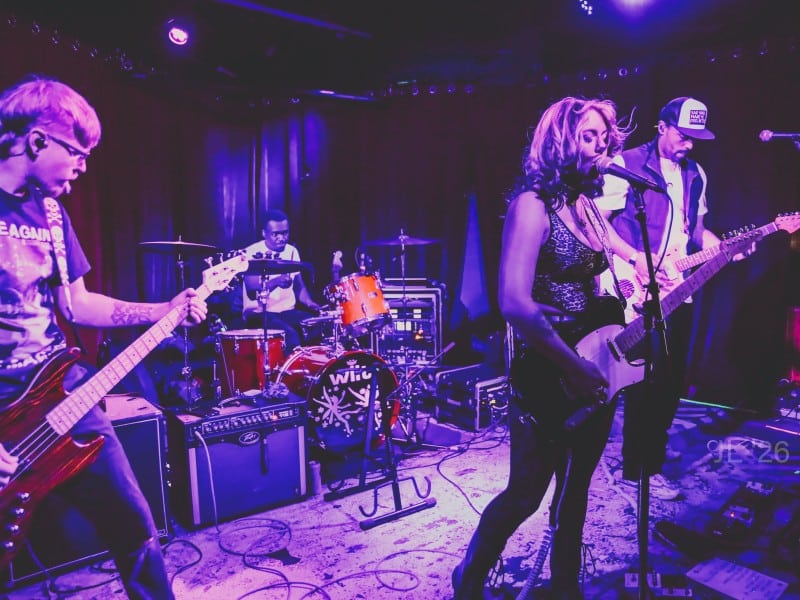
‘Obviously, we make songs for the sad folks’: BeachKitty gears up for 934 Fest
Ahead of the release of new album ‘Cool Breeze,’ the shoegaze-indebted Columbus band, led by songwriting duo Milly May and Keano Smith, will feature at the annual art and music festival on Saturday, Sept. 12.