America’s Fentanyl Moment: Trump’s reelection could be a dire turning point
While early signs suggest that things will get worse under the incoming administration, our columnist writes that mutual aid networks and community building are a needed counterweight in seemingly hopeless times.
Ryan Hampton’s auspiciously titled new book, Fentanyl Nation, begins in Ohio.
A police officer claims he overdosed after touching fentanyl in East Liverpool. Local and national media outlets run with the story. And then a whip-smart doctor in Cleveland pushes back on the lies. (No, you cannot overdose from touching fentanyl.)
In the wake of the second election of Donald Trump, Hampton’s book, and the way it begins, feel decidedly prescient. People are ready to believe the worst about a drug because they have seen so many in their communities die in the past decade. Some have taken to referring to fentanyl overdoses as “poisonings,” and at the rate people are dying, fentanyl must be that dangerous.
A donation powers the future of local, independent news in Columbus.
Support Matter News
And if fentanyl is that dangerous, then the solution must be to stamp it out by any means possible.
But fentanyl is a result of prohibition efforts. There were pills, so policies made it difficult to access pills. Then there was heroin, so there was a crackdown on heroin. And now there is fentanyl, which is cheap, quick and accessible. It is a mythmaker. It is a source of jingoism. It comes through the wall and in turn supports wall-building.
Fentanyl is an opiate that inures us to the excesses of capitalism. If you feel as though everything is commodified – your social life, your health, your future – fentanyl will make you forget that for a moment, placing you temporarily at ease with your surroundings.
Fentanyl is the drug of hyper-capitalism. It is the drug of this American moment in all the right and the wrong ways.
Hampton’s book is an important read if you’re trying to understand why this is happening. He explores the current fentanyl overdose crisis and the myriad responses to it with both an open mind and heart. He’s a writer and activist with well-earned street cred. He’s a person in recovery who advocates for harm reduction and who sees with clear eyes the ongoing disaster of America’s drug war. Hampton’s voice should resonate.
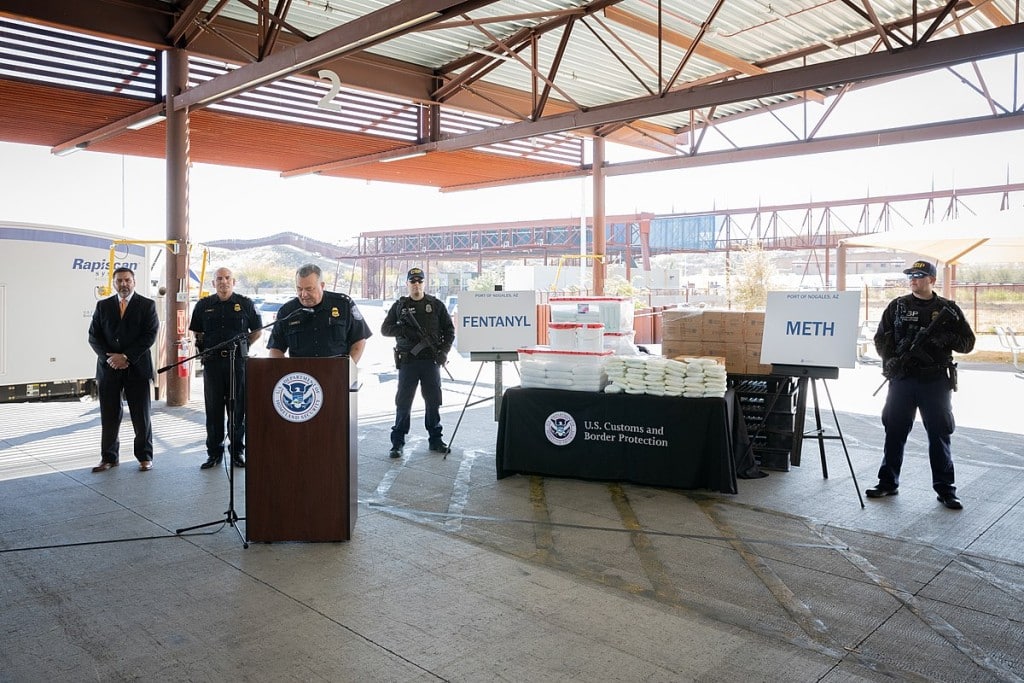
Trump has said he will attempt to impose punishment tariffs meant to address drugs trafficked into the United States from Canada and Mexico. We know that he has named a head of Health and Human Services in Robert F. Kennedy Jr. who believes in snake oil, and that he is packing the Justice Department with people out for vengeance. And we know we will get more of the drug war, and that the U.S. will continue to export prohibition.
Harm Reduction International and Drug Policy Alliance released a report last week that asserts $13 billion in US taxpayer money over the last decade has been allocated to “counternarcotics” work around the world, often in unexpected ways. The United States spends more on “narcotics control” programs than it does on education, water supply, sanitation, and women’s rights in low- and middle-income countries. This drug war, our longest running war, is supported through a vast bureaucracy beyond the DEA that includes USAID and the State Department’s International Narcotics and Law Enforcement bureau.
Colleen Daniels of Harm Reduction International paraphrased Martin Luther King Jr. in an early December webinar, commenting that budgets are moral documents. “They are telling us what’s important,” Daniels said. “And more importantly what’s not important.”
It’s damn clear that prohibition is important to the United States.
Daniels noted how American investment in the drug war continues to drive unrest in Latin America. And now we are seeing the outcomes of this investment: political instability in the region, a rise in synthetic opioids, and terrified people who flee north for a better life.
The outcomes of our exported drug war are showing up at our borders, and they are showing up in our morgues.
Fentanyl, then, is a symptom, not the problem.
The larger cultural and economic milieu in which many feel overwhelmed and working people struggle to pay for groceries and healthcare, that is the problem. And one further complicated by the reality that the people most affected have largely been left to fend for themselves. Mutual aid has always been a byword for communities pulling together when governments and those with power do not have the will to help.
It has been about 10 years since fentanyl emerged in Ohio. In that time, folks on the ground have declared that our neighbors do not have to die. And now there is hope – the number of overdose deaths are falling. We are ready for what’s next. We have learned a lot and some of that knowledge has reached those with the power to make real change.
Ryan Hampton suggests clear responses: ready access to naloxone, better data collection, addiction treatment on demand, supportive communities for people in recovery, housing first, support for harm reduction, and rethinking drug policy through a public health lens.
This is the season of Advent for Christians. It is a time of arrival and emergence. It is a time of preparing for Jesus, who was born in an occupied land. If we seek a counter-narrative in these hopeless times it can be this: We have emerged to save, and to advocate for each other.
Author

Related Articles
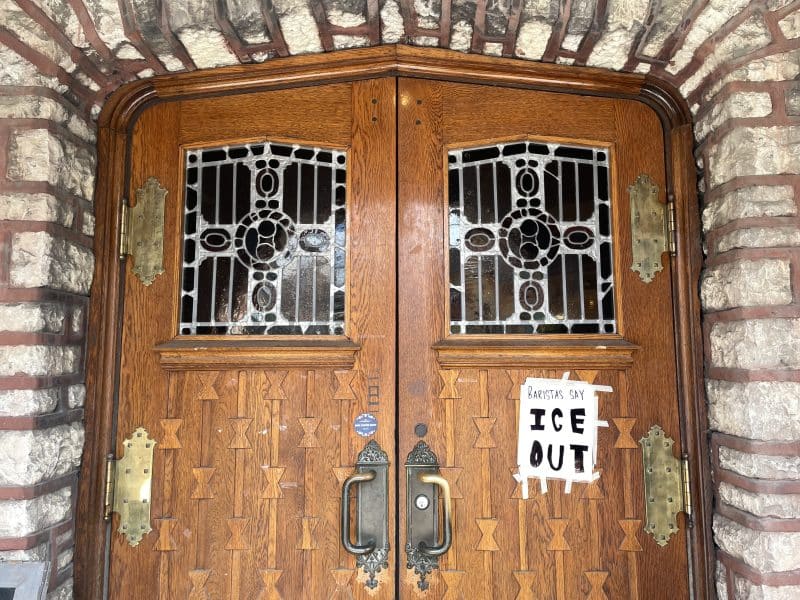
Local Politics: The fallout of serving ICE(d) coffee
A local coffee chain has been under fire for saying it would not refuse to serve ICE agents. But the people who work there say that’s not the full story.
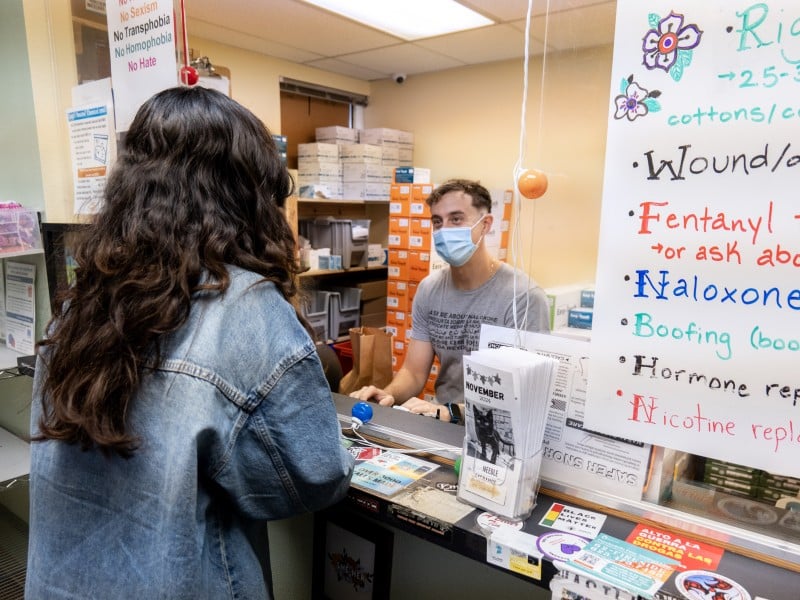
Ohio’s Recovery: The past, present, and future of the overdose crisis
Fewer people are dying from overdose, but the policies and the social determinants of health did not vanish.
Opinion: When unionization isn’t enough
Collective bargaining can protect journalists from arbitrary firings, stagnating wages, and unsafe or exploitative working conditions. But a union contract cannot fix a broken funding model.