
On Development: Preserve the future
Columbus is rife with silly franchised juice bars, phone stores, and other fleeting chains that occupy space for a while but never come close to replacing venerable dives and other businesses that were bulldozed to make room for ‘progress.’
Progress is important, especially as Columbus and its environs face rapid change. But what is progress? Do we measure it by the number of new “housing units?” Or square footage and expenditure of development dollars? Do we measure it in neighborhood vitality and opportunity? What other metrics should we consider?
How do we reconcile what we’ve lost with what we’ve gained? Is there a way to develop anew without sacrificing our past and our hidden treasures?
Two recent examples show how answers to these questions can vary.
A donation powers the future of local, independent news in Columbus.
Support Matter News
The Bier Stube was not a failing business. The musty, iconic campus-area dive was one of an ever-dwindling number of independent, locally owned joints that nurtured generations of students through the essential off-campus portion of their university educations. Places like these were a stroll away from campus. Their disappearance (plus the ubiquity of student-owned cars) now sends revelers away from campus to places more interesting than the sanitized chains and juice bars that replaced Bernie’s, Too’s Spirits Under High, Mama’s Pasta & Brew, and others.
They were quirky businesses operated by local merchants who were often at the mercy of negligent landlords: The upkeep was commensurate with the low rents. Eventually, somebody or some corporation with more money and power makes a decision to supplant that small business – and, like Dust Bowl farms, the place is tractored out by the cats.
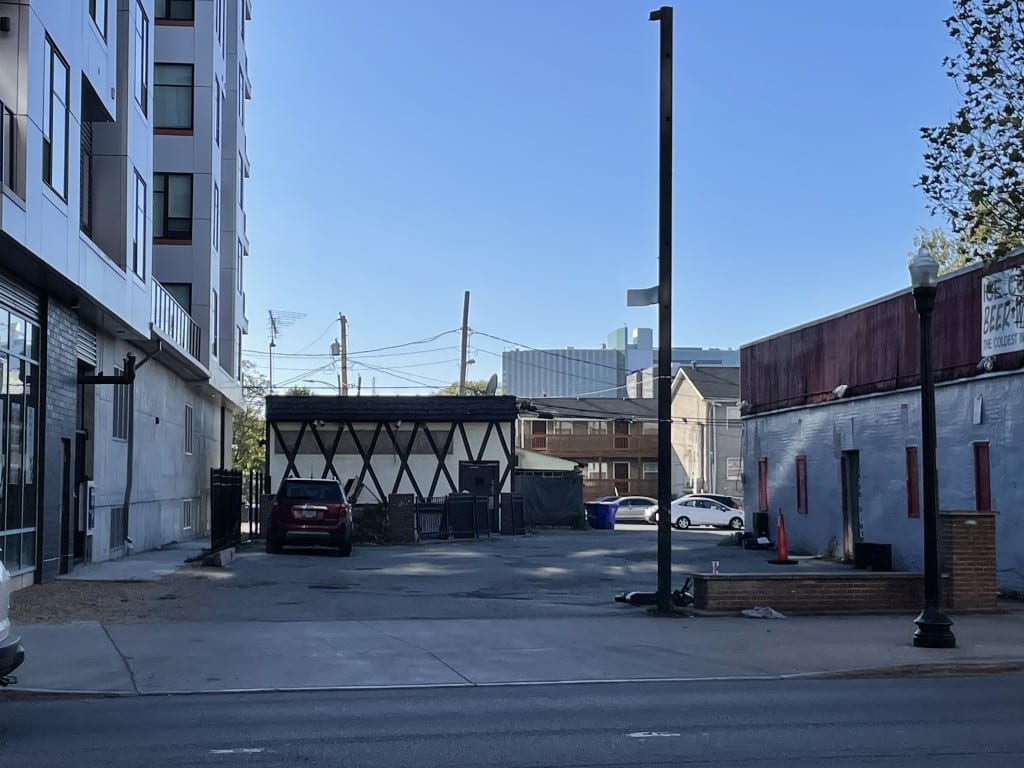
Since 1966, the Stube hosted Buckeyes in a windowless cinder block and stucco box behind a couple of other buildings at the southwest corner of East Ninth Avenue and North High Street. In recent years, plans for a boxy apartment building fell through, giving a break to Craig Kempton – who owned the bar, but not the building. Then, almost a year ago, developer Harbor Bay (based near Chicago, with projects in Cleveland) came to the University Area Commission to get public input on plans for the site. I was at that meeting and chatted with company representatives, who seemed intrigued by and open to the possibility of re-creating the Bier Stube inside the new building.
The final plan is, I think, fine: A 13-story apartment building at the corner, with no on-site parking garage. Harbor Bay also bought all the apartments and duplexes on the south side of Ninth Avenue from the Wall Street alley west to Hunter Avenue – which have ample parking that could be shared with the new building. The company plans no without radical remodeling that would significantly raise rents, opting instead for incremental upgrades over time.
But it would have been a great project if the Stube, the 14-0 Express convenience store, Portofino’s Pizza, and Yau’s Chinese Bistro were included in the plan. People involved are mum about details, but Kempton was not really able to be part of the negotiations. He owned “the bar” – essentially the name, liquor licenses, furnishings, wall coverings, signs, posters, knickknacks, character and the legacy/heritage – but nothing else.
Ultimately, this is not a story about changing times and nostalgia for old dive bars. This is about how we, as a community, treat our small businesses and their proprietors.
As the Bier Stube tale was playing out, plans in a different part of town came to a mutually beneficial ending.
This past summer, local developer Bluestone Brothers proposed a 23-story apartment building at the southeast corner of Main and Fourth streets. The primary entrance would face Main, but the Fourth Street face would include demolition of the buildings housing nightlife mainstays Dirty Frank’s Hot Dog Palace, 16-Bit Bar + Arcade, and Mikey’s Late Nite Slice. The Little Palace and El Camino Inn building would be incorporated into the project.
The city’s planning staff was not enthused, noting in a Columbus Dispatch story that “maximizing the investment potential of a given site is encouraged, but so is preservation of existing building stock.”
Last month, Bluestone came back with revisions. All existing buildings on Fourth would remain except for a three-story building on the southeast corner of Fourth and Rich, which would be replaced with a multi-functional outdoor space. The height was increased to 24 stories. The Downtown Commission praised the update.
Architect/preservationist Robert Loversidge, a commission member, called it “a great example of collaboration between businesses and owners that we need in our city.”
With the Zone In code now in place, the city needs some mechanism to ensure that citizens citywide can – like the Downtown Commission – raise these kinds of questions and insist on compromises.
Columbus is rife with silly franchised juice bars, phone stores, and other fleeting chains that occupy space for a while but never come close to replacing venerable dives and other businesses that were bulldozed to make room for “progress.” Building owners and managers may be satisfied by the game of “musical chains” that come and go, as long as they pay rent. But stability, reliable jobs, and locally owned businesses are good for the city as a whole.
Brian Williams is a consultant and freelance writer. A former Columbus Dispatch reporter, he is retired from the Mid-Ohio Regional Planning Commission.
Related Articles
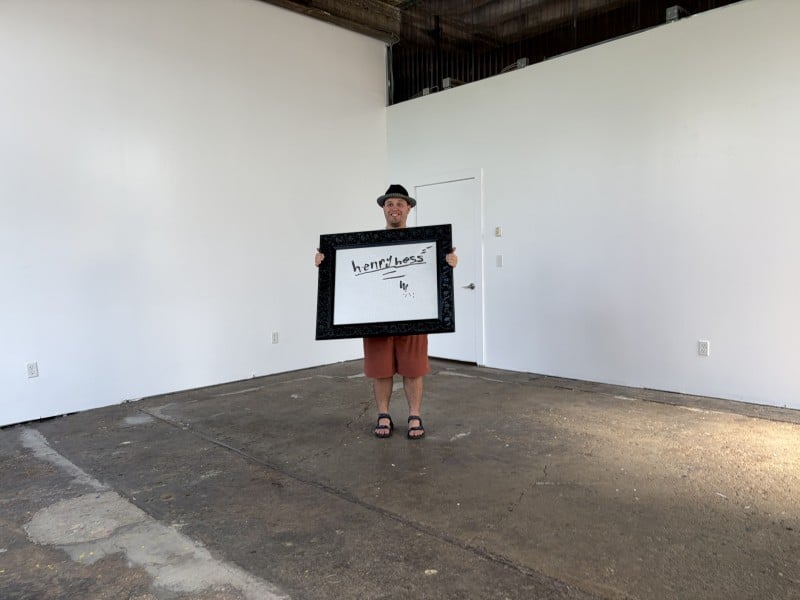
Henry Hess says goodbye to his longtime Chromedge studio
Faced with a rent increase of more than 30 percent, the Hess family opted to move on from the artist’s creative home of the last eight years. And while the next steps remain uncertain, they stressed that Henry would maintain a presence in Franklinton. ‘We’re not going anywhere,’ Sophia Hess said.

On Development: Rapid-transit is moving slowly. Maybe we need a new model
Our policies suggest a willingness to spend any amount to add lanes and bigger (towering!) interchanges for major highways, while transit spending is too often regarded as frivolous.
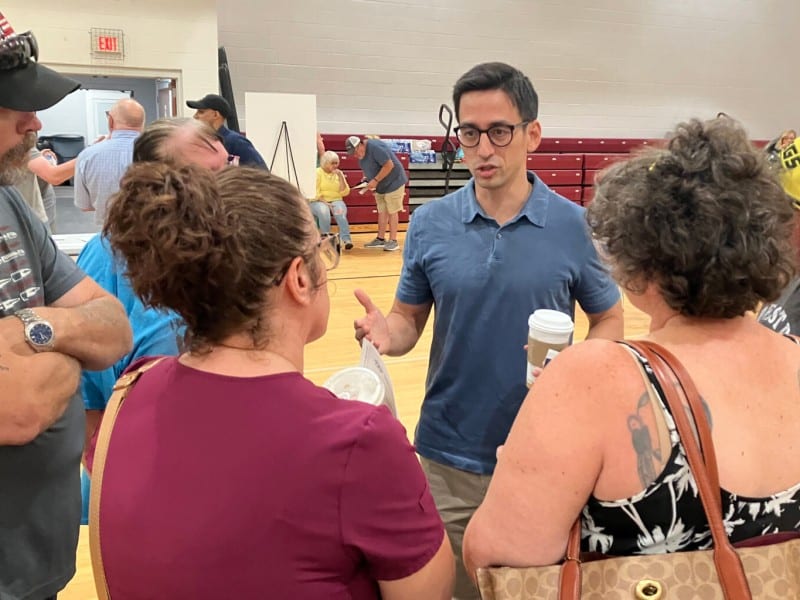
The Coming Out Party for the Country’s Largest Gas Power Plant (Serving the Largest Data Center) Was Surprisingly Quiet
A developer hosted the first open house for a gigantic Ohio project, with no signs of organized resistance.