Walt McClements explores new sonic frontiers with ‘On a Painted Ocean’
The instrumental musician will visit Columbus for an early show at Rambling House on Thursday, May 21, supported by Mike Shiflet and Lisa Bella Donna.
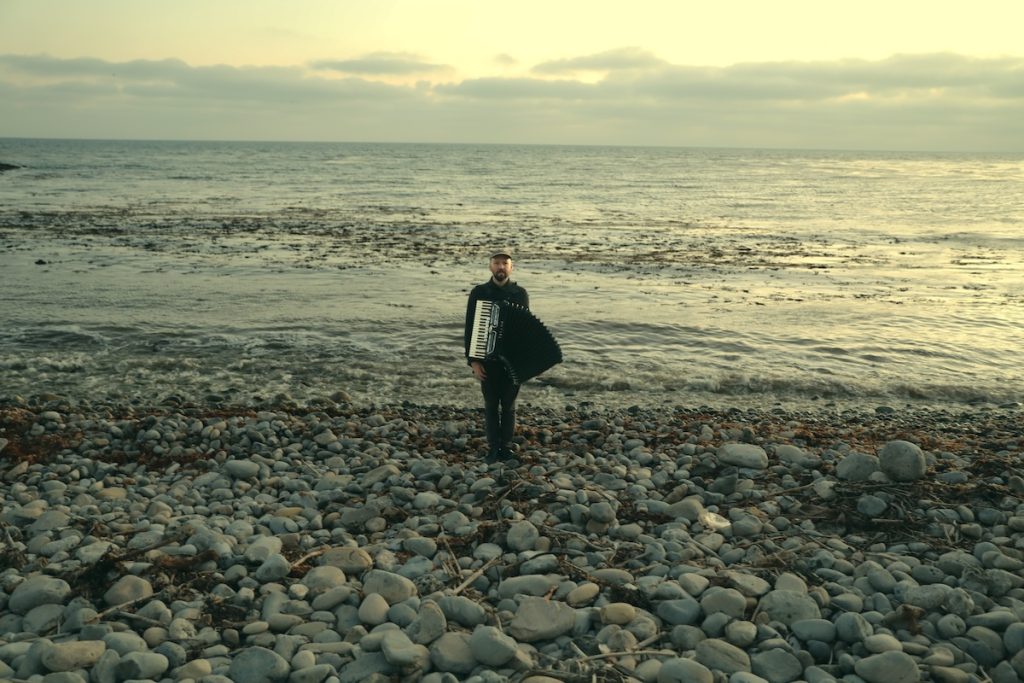
Having come up in music communities where people openly discussed harm reduction, Walt McClements thought he would know what to do if he ever encountered someone experiencing an overdose.
And yet, when he came across a man slumped over at a bus stop while biking through New Orleans some years back, he was struck by the realization that he actually didn’t know how to proceed, and even though he was carrying Narcan at the time, he wasn’t sure how to properly administer it.
“And this older woman was leaning out of a car window yelling at him, like, ‘Hey! Hey! Wake up!’ And she looked at me as I was biking up and was like, ‘You have to check on him.’ And … when an elder woman looks you in the eyes and says, ‘Check on this person,’ you check on them,” McClements said by phone from Durham, North Carolina, reached ahead of his tour stop at Rambling House on Thursday, May 21, supported by Mike Shiflet and Lisa Bella Donna. “And it turned out he was fine. He seemed to have just used something, but he was responsive, and I asked him if he needed anything, if he needed water. But what I realized was that in all of my adjacency to people who use drugs and to people who work in harm reduction … is that I actually didn’t know what an overdose looks like, necessarily. … And I was carrying Narcan, but I didn’t know how to use it.”
A donation powers the future of local, independent news in Columbus.
Support Matter News
This experience eventually led McClements to take part in a Narcan workshop, a recording from which is woven into the song “Parade,” off his deeply cinematic instrumental album On a Painted Ocean, from 2025. In the snippet, the musician receives instruction from Casey Leigh, who talks him through what to do if you come across someone you suspect has overdosed, how to administer Narcan, and when to proceed with rescue breathing. It’s a brief exchange, but it has a way of coloring the entire 10-plus-minute track, which McClements said he leaned into as a way to explore the Venn diagram between ambient, new age, and experimental music and the concept of “sound baths or healing music.”
“It’s something that’s spiritual or energy based, and it’s beautiful, but it’s not necessarily how I came up in the world,” he continued. “I came up with more of a punk background, but also with maybe a similar goal of making the world a better place. … And I guess I was just thinking about this healing, meditative music, and how to bring a punk skill-share aspect to it. All of those ideas were in my mind.”
The concept of fostering a caring, responsive community has been a central tenet of McClement’s work since he pivoted toward instrumental music in the months before the pandemic, having grown tired of touring alone as an anti-folk singer-songwriter under the guise Lonesome Leash. Within the instrumental music space, McClements, a multi-instrumentalist who played with an early version of Hurray for the Riff Raff and continues to perform with Weyes Blood, saw a way to more naturally expand outside of himself, telling interviewer Andrew Rice last year that be began to question the value of touring alone at some point in 2018.
“I was listening to some podcast in the middle of the first Trump presidency and people were talking about resisting fascism and I remember thinking it was a strange time to be doing anything alone – like, why am I doing a solo project?” he said at the time. “And I know I’m still doing a solo project, but I thought if I was working with these sounds and this textural approach, it would be easier for me to collaborate with other people.”
These outside contributions heighten On a Painted Ocean, with New Orleans saxophonist Aurora Nealand and electronic musician Rachika Nayar adding explosive texture and depth to McClement’s woozy tapestries, which find accordion, organ, and synthesizer bleeding together in ways that can make it difficult to tell precisely what instrument is being deployed.
“And I get that if I think about it logically, that artistic impulse is a little strange, like, why do you want everything to sound like each other?” said McClements, who recalled recording early sketches of songs on a tour bus, utilizing a synthesizer to mimic the sound of his processed accordion. “And it creates this uncanny sense, where it’s like, ‘I feel like I’m listening to the accordion, and I know what the accordion can do,’ and then all of a sudden the nodes are bending in a way that the accordion doesn’t.”
McClements described his early pandemic creative pivot as an artistic decoupling, of sorts, in which he took the various elements that had existed together in Lonesome Leash – vocals, songwriting, and instrumentation – and began to treat each individually, writing poetry, taking singing lessons, and composing wordless music. “There’s been a funny decoupling of being like, I love to sing, I love writing, and I love making music, and it felt really nice to separate them all,” he said.
In doing so, McClements was also to create some distance from expectations he had started to place on himself within Lonesome Leash, accepting that he might be sacrificing an audience for something more creatively fulfilling. “And it’s not like the paychecks were busting through the mailbox with that music, but there was an audience,” he said. “And it became like, if this is not sustaining you, and you’re looking for a break, there’s nothing stopping you, and the only thing keeping you here is you. … And so, I approached that first [instrumental] record with zero ambition. And I had no desire to quote-unquote ‘shop a record around,’ because that’s always sort of a soul-crushing process. It was very much about making something for myself. … And now I’m just grateful that, like, Big Ears [Festival] booked me. There are a lot of things where it’s just like, thank you. Thank you for listening.”
Author
Related Articles
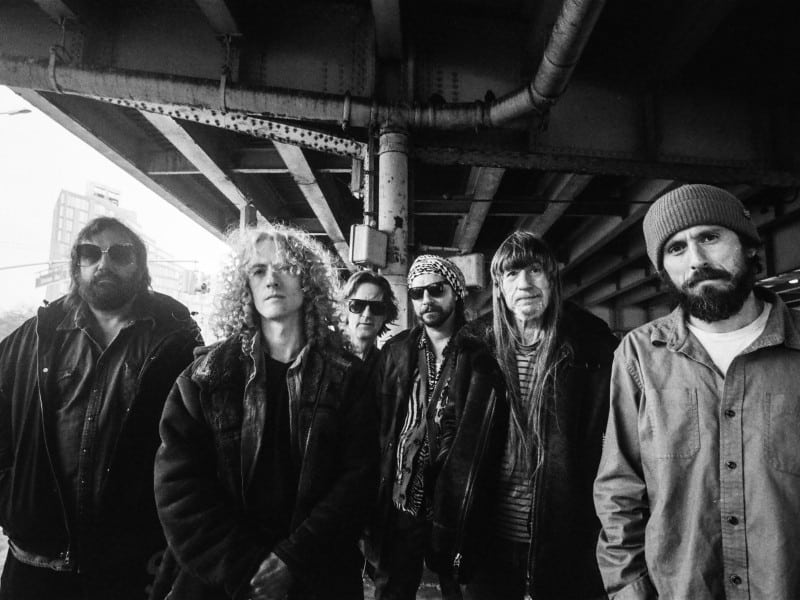
Prison finds freedom in sprawling psych-rock jams
The New York band’s current tour hits Rich Street Records on Saturday, Aug. 15.
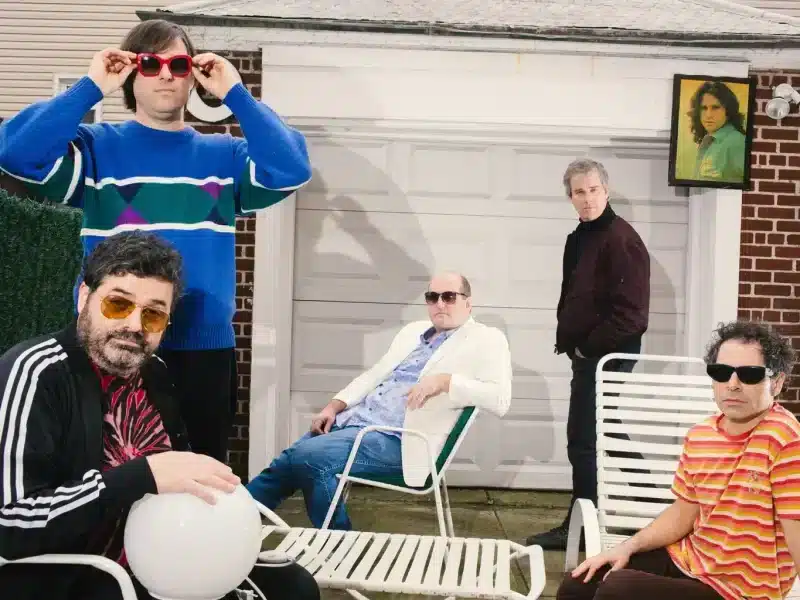
Curiosity, community continue to fuel Oneida
The long-running experimental rock band will visit Cafe Bourbon Street for a concert on Friday, Aug. 14.
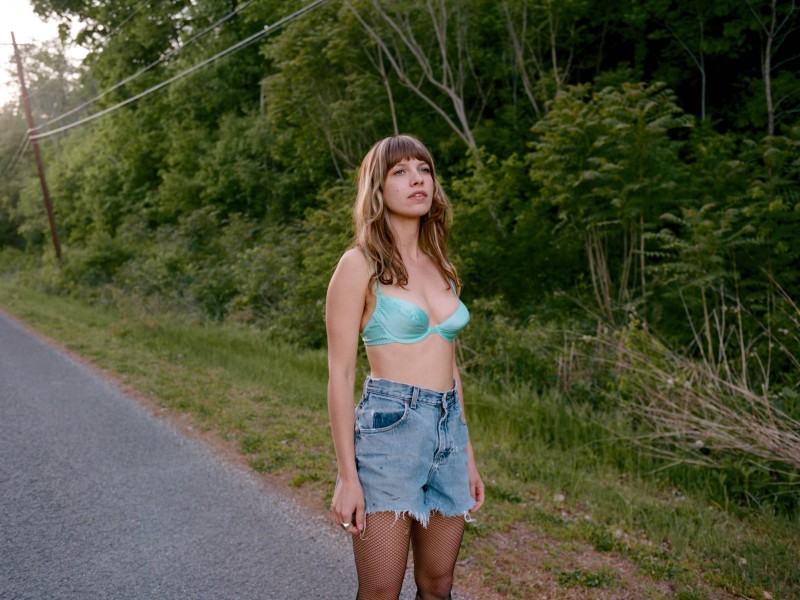
Angela Autumn attempts to find heaven on Earth with ‘Believer’
The Nashville-based country singer performs a free concert at the Snow Fork Event Center in nearby Nelsonville on Thursday, Aug. 13.