
Ohio hunger relief organizations speak out against SNAP cuts
For decades, SNAP benefits have been the best line of defense against hunger for millions of Americans. A new bill is poised to obliterate this reality.
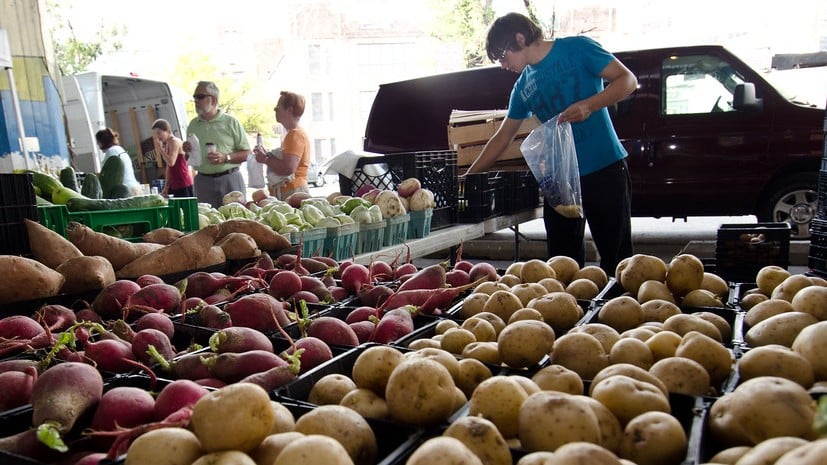
On Thursday, leaders representing Ohio’s hunger relief network came together at the Mid-Ohio Food Collective in Grove City with a shared goal: to stop sweeping cuts threatening to gut the Supplemental Nutrition Assistance Program (SNAP).
SNAP is the single largest source of food assistance for low-income individuals and families throughout the country, with more than 40 million people receiving benefits each month based on income level and household size. Benefits are loaded on to an Electronic Benefits Transfer (EBT) card, which can be used like a debit card at grocery stores and food markets to buy household staples such as produce, dairy, and meat.
Because EBT cards are accepted by a variety of retailers, from big-box stores to corner food marts and farmers’ markets, SNAP benefits directly support the local economies in which they’re spent. Nearly 1.5 million Ohio residents – roughly one in nine households – used SNAP benefits in May.
A donation powers the future of local, independent news in Columbus.
Support Matter News
The proposed cuts are part of the House Republican Reconciliation Bill (also referred to as the “big, beautiful bill”). The bill, which passed the House by just one vote in May and now awaits a decision in the Senate, would eliminate nearly $300 billion in SNAP benefits by 2034 – a 30 percent reduction. And although SNAP is a federal program, the bill would shift costs to states for the first time.
If approved, the changes would also introduce stricter work requirements, reduce allowable caregiver exemptions, and drastically alter some of the age limits associated with eligibility for benefits. For example, the definition of a “dependent child” would be lowered from 18 to 7, and the maximum work requirement age would rise from 54 to 64.
Proponents say that the bill would lower the federal deficit and promote self-sufficiency. But the impact is one that MOFC’s president and CEO Matt Habash said Ohio can’t afford.
“This bill would end SNAP as we know it,” Habash said to the group of journalists, community advocates, and employees gathered in the Mid-Ohio Food Collective’s atrium, speaking as a steady stream of workers managed daily food shipments in the warehouse behind him. If enacted, he said, Ohio’s state government would be forced to come up with an additional $473 million annually just to maintain benefits at their current level. Because state leaders would likely need to raise taxes and cut other services to cover this expense, even those who don’t receive SNAP benefits could potentially be negatively impacted.
For every meal provided by the Mid-Ohio Food Collective, SNAP benefits currently provide nine. And the proposal to slash SNAP comes as food banks are already dealing with federal reductions in funding, food delivery cancellations, and statewide budget cuts. As the support systems designed to protect against hunger continue to erode, it’s not difficult to imagine that more Ohioans than ever may soon be going hungry.
Speaking on behalf of Zanesville’s Eastside Community Ministry, executive director Jamie Trout said that already-vulnerable populations would bear the brunt of the reductions: single parents, senior citizens, young children, and people with disabilities. Trout also said that while food banks and community pantries remain an invaluable resource to fill gaps in tight budgets, demand has steadily increased beyond the scope many organizations are able to provide. Some nonprofits have had to alter their offerings, while others have been forced to permanently close their doors.
“They have been a beacon of hope, but their resources are stretching thin,” said Joree Novotny, executive director of the Ohio Association of Food Banks, who added that the bill threatens to “permanently, structurally endanger our first line of defense against hunger in household-level or community-level crisis.” In addition to adding exorbitant costs to already-strained state budgets, Novotny said that additional layers of bureaucratic red tape could create barriers between hungry people and the resources they desperately need.
At a time when the cost of living is steadily increasing and layoffs are on the rise, many local residents are already teetering on the edge of financial instability. The Mid-Ohio Food Collective reported a record-breaking year in 2024, with residents visiting its pantries 1.84 million times. If the proposed SNAP changes take effect, those extraordinary numbers might soon become the new normal.
In an effort to prevent that from happening, the leaders gathered in Grove City on Thursday are urging Senators Jon Husted and Bernie Moreno to remove SNAP changes from the bill. They’re also calling on all Ohioans to join the fight.
“To Senators Husted and Moreno, our valued partners in the fight against hunger, we know you want the best for Ohio,” Habash said. “Now is the time to do the right thing. Change this bill. Protect SNAP for our kids, seniors, and working families.”
To learn more or to get involved, visit https://info.mofc.org/protect-snap.
Related Articles

Unpacking Vivek Ramaswamy’s plan to eliminate Ohio’s income tax
The campaign promise comes along with a $9.8 billion dollar budget gap to fund public education, health care, and public safety services across the state, according to a February report released by Innovation Ohio.
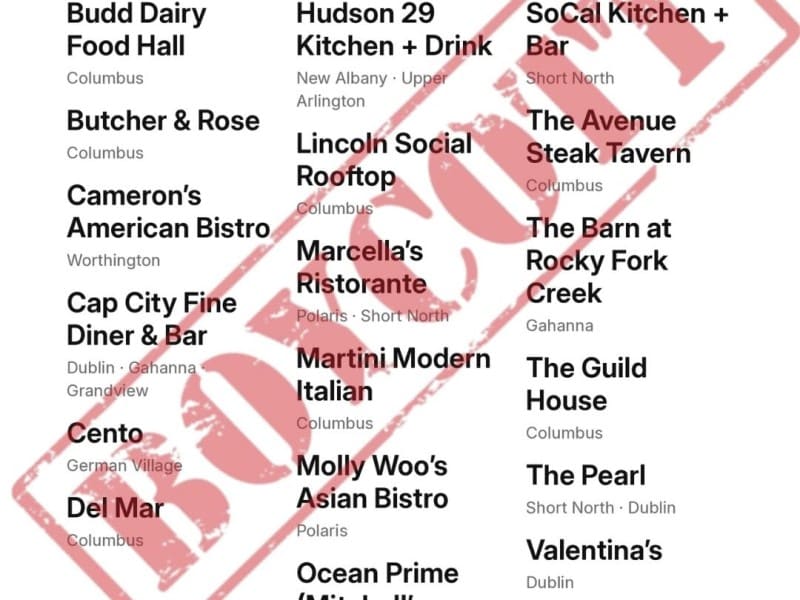
Baladna: Palestine Society of Columbus calls for a boycott of Cameron Mitchell Restaurants
‘So, for us as a board, given that this was happening with a business right here in our backyard, we felt it was our responsibility to take action and make the public aware.’

Local Politics: Drain the swampy Municipal Courthouse
Columbus wants to renovate the Franklin County Municipal Courthouse instead of replacing it. The people who work there say this very wet “derelict” building is beyond repair.