
LaShae Boyd reconciles with the past, looks to a brighter future
The Columbus artist explores issues of childhood trauma, faith, and recovery in ‘A Letter to the Liberated Child,’ which kicks off at Brandt Gallery with an opening reception today (Friday, Oct. 10).
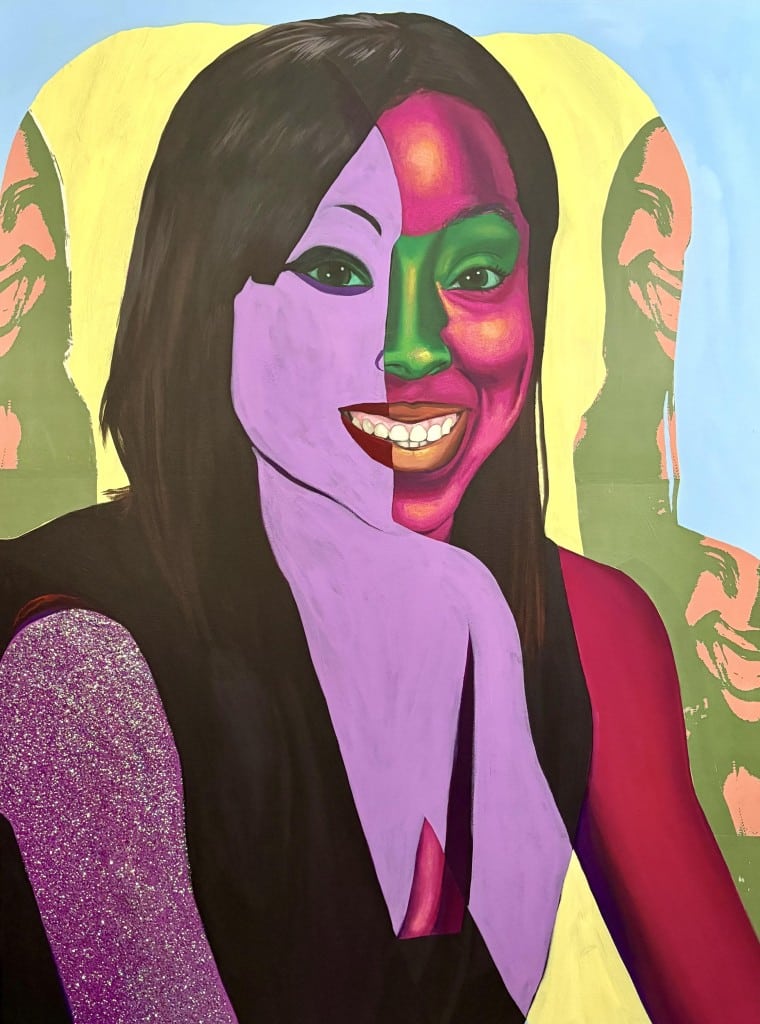
A little over a year ago, LaShae Boyd hit a wall with her artwork, observing that an instinctive need to keep her guard up meant that her paintings often felt somehow closed off to viewers, with the bulk of her works barely scratching the surface of a deeper vulnerability that she knew she needed to explore.
“At that point, I felt like I still wasn’t grasping why I make art and really telling the audience more of my story,” Boyd said earlier this week at Brandt Gallery, where her stunning new exhibition, “A Letter to the Liberated Child,” kicks off with an opening reception today (Friday, Oct. 10) and runs through Nov. 15. “It was kind of like, what am I missing? … And then I started thinking about how I could go deeper. I really wanted to put myself out there more, because as an artist I do believe that if your mission is to bring people together, you need to let yourself be vulnerable.”
For Boyd, this meant revisiting a trauma she experienced in the sixth grade, and which served as a breaking point where her youthful innocence eroded, leaving her feeling detached from even the creative passions she had harbored from early childhood. In lingering on that time, the artist began to paint a fractured portrait of her sixth-grade self, feeling the anxiety, depression, and anger of those years as she pressed brush to canvas.
A donation powers the future of local, independent news in Columbus.
Support Matter News
“This is literally my sixth-grade school portrait, and I’m putting it out there for people, telling them, this is the girl who went through that trauma,” said Boyd, who recalled how she was coerced and sexually assaulted by a group of boys from her school. “And the title of this piece is called ‘Fragmented Blessing,’ because in it I’m talking about starting off with the innocence of a child, and then having it ripped apart. And now there are these different layers of me created where there’s still this sense of pureness, and the inner child still exists, but it’s also evolved into chaos, and it’s evolved into points where maybe I don’t even recognize myself.”
As with the other works on display in the exhibition, the portrait also includes aspects of the divine, represented by the application of glitter to a small section of the painting and rooted in Boyd’s Christian faith, which served as an additional buoy in her recovery, along with beginning therapy in the immediate aftermath of her assault with her mother’s urging.
Boyd described the process of creating “Fragmented Blessing” as transformative, helping her foster a greater sense of empathy for that younger version of herself. “I really feel like I have released her. She’s been liberated,” the artist said. “This is a way for me to honor her and put her on a platform so that I can face her, and so that others can face that version of me as well.”
Similar vulnerabilities surface throughout the downtown gallery, rippling in a massive portrait of a woman depicted in a bathtub from behind, her seated body framed by a shadow that could read as ominous were it not for the head, which incorporates both glitter and a photo transfer of Boyd’s sixth grade portrait – the artist’s way of exploring the ways she and God are entwined. There are also a series of eight small portraits painted of friends and acquaintances, which are split in groups of four and staged above nightstands that could have existed in Boyd’s childhood home. On each nightstand is set a small boombox, which plays a series of interviews the artist recorded discussing trauma with each of the people shown in the paintings.
“I started off by telling them my story, and then … I opened it up, asking, have you ever experienced trauma before?” said Boyd, who snapped source photographs of the subjects throughout the interview, which captured increased shades of vulnerability as the conversations progressed and deepened. “And it was amazing to see these patterns develop, and certain themes specific to these traumas. And I think with the installation, because of that common childhood theme, I wanted to make it feel like a home.”
Each nightstand is also staged with other elements that tease out greater dimension in the exhibition, including a handwritten letter addressed to “my Almighty Father” in which the artist writes of a shadow she wishes to be exposed to the light. There’s also a Bible open to a passage, James 5:16, that Boyd described as central to the development of “A Letter to the Liberated Child.” (It reads, in part, “Pray for each other so that you may be healed.”)
“This scripture in particular was really the catalyst for this whole idea, and it’s the core basis of what I’m trying to do,” Boyd said. “And it’s basically saying that the more we talk to each other and confess these experiences and how they’ve impacted us, the more we can come together and be in service of one another. … And these are the things I want to practice in life until I leave this Earth. I always want to advocate for bravery, for telling your story. And I think that’s the whole point of reclaiming your narrative, so we can have that personal power. And it’s not a power that abuses anyone, but it’s a power that brings people together, that unifies. … And that’s something I really want to focus on as I lean into this new era of my art.”
Author

Related Articles
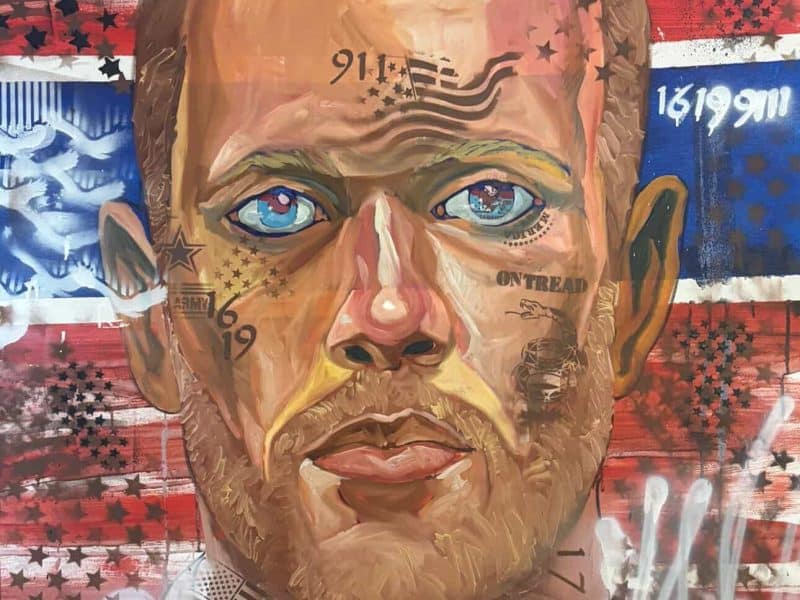
David Butler makes a stunning return to ‘Whiteland’
The Columbus artist’s thought-provoking new exhibition kicks off at Hammond Harkins Galleries with an opening reception on Saturday, May 9.
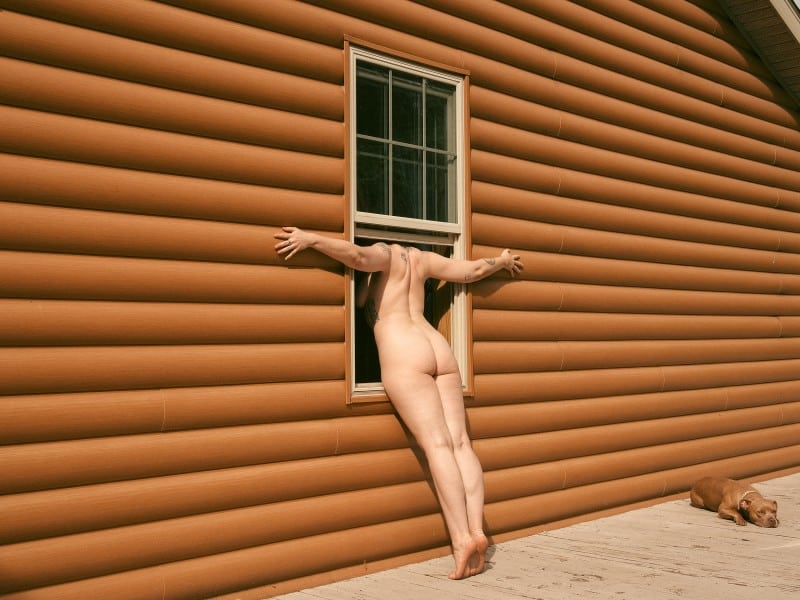
Kate Sweeney captures herself at the threshold
The Columbus photographer recently had two images named to the 2025 Booooooom photo awards longlist, including an eye-catching shot taken on a summer trip to Michigan that she described as ‘a self-portrait of transformation.’
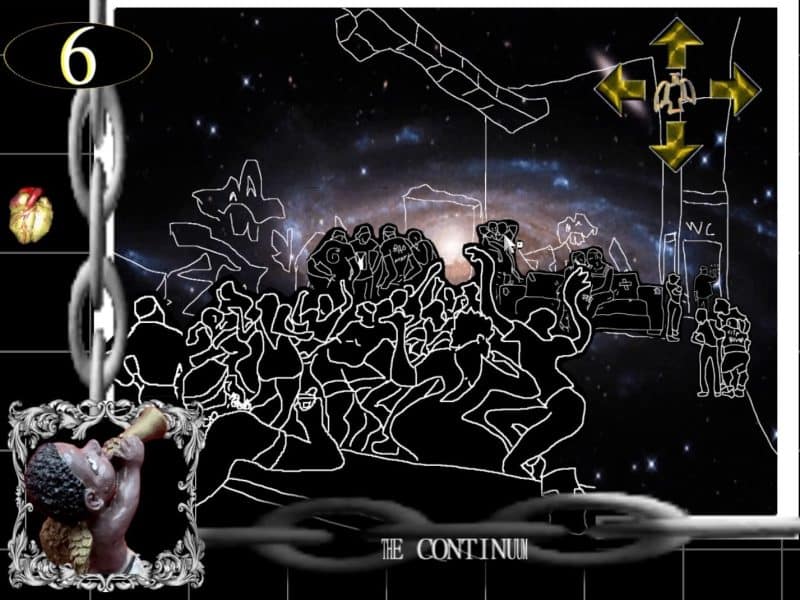
Cameron Granger’s debut video game doubles as a love letter to the Columbus DIY scene
In ‘Sidechain,’ set at a warehouse party on the final night before the world ends, players navigate scenes that draw inspiration from the formative years the artist spent frequenting spaces such as MINT, Corrugate, and Skylab.