
On Development: Here’s the skinny on small-scale development
While the apartments proposed for a narrow Franklinton lot might be from the wrong developer and set in the wrong location, the concept is something that has merit.
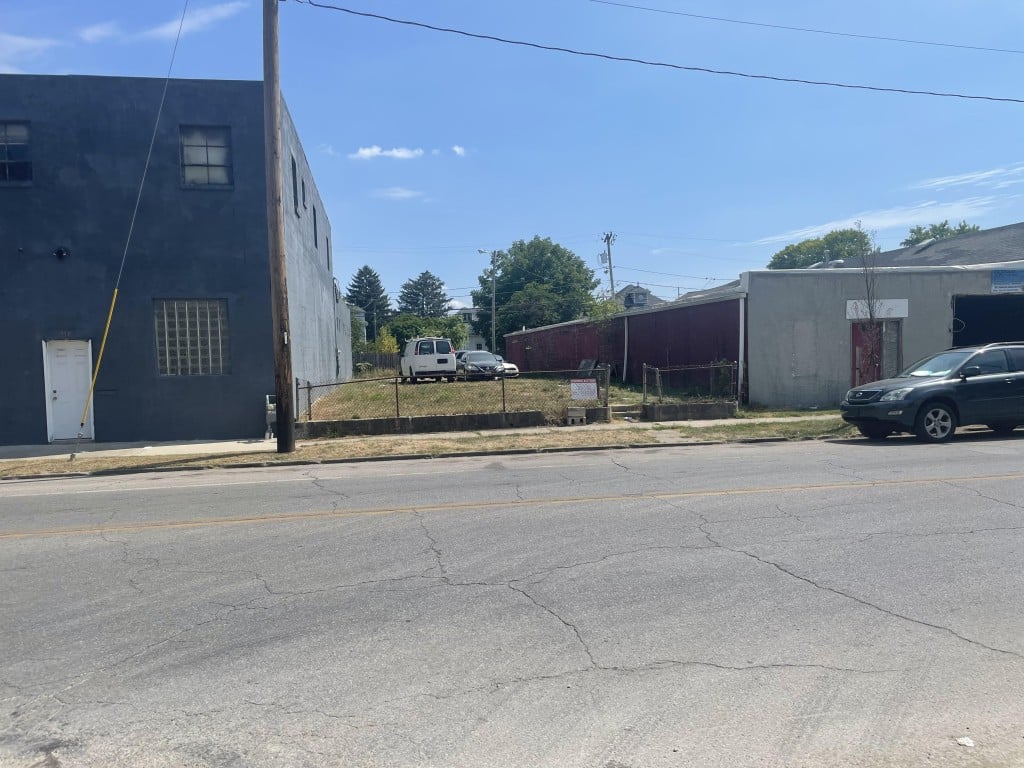
Columbus planning officials are not too keen on a proposal for a skinny skyscraper on a West Side low-density industrial street.
The original proposal was for a 22-story apartment building on a 33-foot-wide lot at 278 S. Glenwood Ave. – later reduced to 11 stories and rejected by the neighborhood and the Columbus Development Commission. Robert Ellis, of Pink Development & Construction, is now pushing an eight-story version. He envisions a building with 62 micro units, including some for residents earning as little as 35 percent of the Area Median Income.
The narrow lot is squeezed between two single-story industrial buildings and stretches 129 feet from Glenwood back to a 16-foot-wide alley. The narrow alley’s limited access to fire trucks is one of several factors standing in the way of approval. City officials also have cited insufficient parking and the developer’s lack of experience with projects of this scale.
A donation powers the future of local, independent news in Columbus.
Support Matter News
Ellis’ company bought the 0.0997-acre property for $55,000 in July. As a general contractor, the company has built homes and done renovations in Columbus for several years, but Ellis moved to Miami this year. He is brash and headstrong – he says he’ll take the city to court if the scaled-down version is rejected.
It’s an odd project: dozens of 280-square-foot apartments that would rent for up to $1,200 a month in a fairly desolate industrial area across the street from freight trains and a brick and stone supplier. And in a June decision, the Franklinton Area Commission cited the incompatibility of the proposed build with the neighborhood, in addition to other concerns that include the developer’s lack of experience with large projects; the price of the apartments, which are not low-income; and the absence of parking.
But placing aside that this project might be from the wrong developer and set in the wrong location, I kinda like the concept.
It’s different and refreshing in a city being overtaken by the repressive, imposing, soul-crushing monotony of block-long, six-story buildings marching down Columbus streets in horrible horizontalism.
This is a result of large-scale developers and building contractors who consolidate several adjacent parcels and fill them with (at least) as much as zoning codes allow. These mega-lots lead to stultifying streetscapes and, more perniciously, keep land parcels out of the hands of anybody but a millionaire or a corporation for decades or more.
For 6,000 years, in cities around the globe, buildings have mostly had a vertical orientation – until the middle of the last century. Today, ranch houses, McMansions, shopping centers, big-box stores and other hulks are the norm.
Ellis has the right idea, but maybe the wrong project for a skinny location in an industrial zone.
“We’re land developers,” he said. “We got a good deal on the land” and wanted to get the best return on that investment – buying cheaper, thus often smaller, parcels of land and building more intensively on the limited footprint.
“Smaller upfront land costs are an opening for smaller [developers,]” said Paul Williams, a Brooklyn economist whose think tank, Center for Public Enterprise, has a focus on housing policies and practices. (Full disclosure: He’s also my son.)
Skinny buildings are a sign of economic health and opportunity. Columbus, like cities around the world, grew on the strength of local entrepreneurs who built or bought small two- and three-story buildings that lined commercial streets. They and their families lived above their pharmacies, groceries, diners, hardware stores, newsstands, haberdasheries and millineries. They collected rent from their tenant neighbors in the building to pay off mortgages. That was back in the days when local people – not national corporations – minded the store.
Sometimes they were on a larger scale – approaching Ellis’ eight stories. From 1918 until 1976, a six-story building towered above its neighbors on High Street just south of East Hudson Street. William H. Sweet, who operated a pharmaceutical manufacturing and wholesale business, built the mini-tower and later moved his company there – on the floors above a Post Office branch and a movie theater.
In its later years, the Sweet Building deteriorated – and the theater (like other neighborhood cinemas as television kept people in their homes at night) resorted to art films and X-rated fare. The city condemned the building in 1973, and it was demolished in 1976. Today, the block where it once sat amid other buildings has a single-story O’Reilly’s Auto Parts and a Taco Bell – each immersed in a sea of asphalt.
Variety is good for cities and streetscapes. A mix of uses and building types – stores, offices, apartments, galleries, restaurants and even small-scale manufacturing – can result in a stimulating and lively neighborhood. Narrower buildings and storefronts provide a more inviting walk even if the buildings are of the same height, but a mix of taller and smaller structures enhances the stroll.
Planning officials in Columbus recognize the importance of small local developers and projects, as well as the big players. With the first phase of the Zone In code now in effect, it’s a good time to work with non-profit partners and small-scale developers and ensure they get the experience and resources to do the kind of infill development that can strengthen the city.
Brian Williams is a consultant and freelance writer. A former Columbus Dispatch reporter, he is retired from the Mid-Ohio Regional Planning Commission.
Related Articles

If you start from a place of love, you can’t go wrong
A vigil for an unhoused community member who recently died in Newark served as a call to not look away.
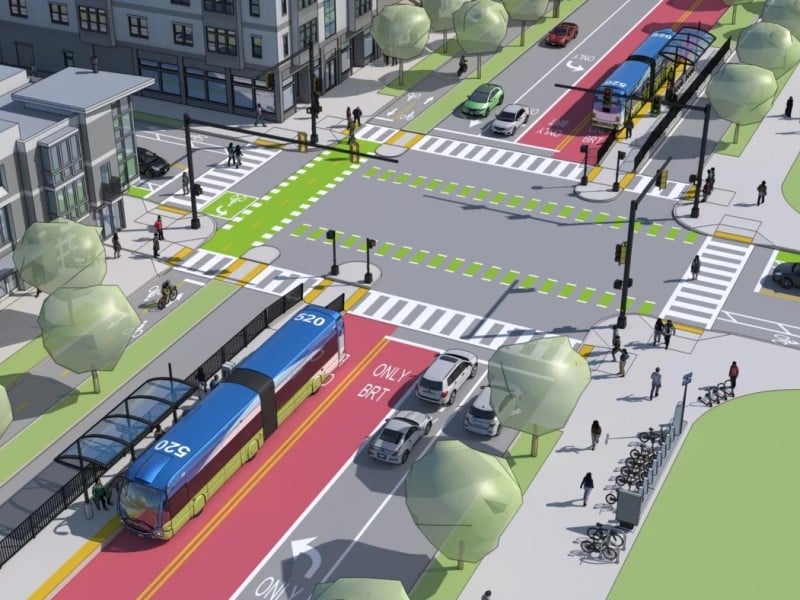
On Development: Rapid-transit is moving slowly. Maybe we need a new model
Our policies suggest a willingness to spend any amount to add lanes and bigger (towering!) interchanges for major highways, while transit spending is too often regarded as frivolous.
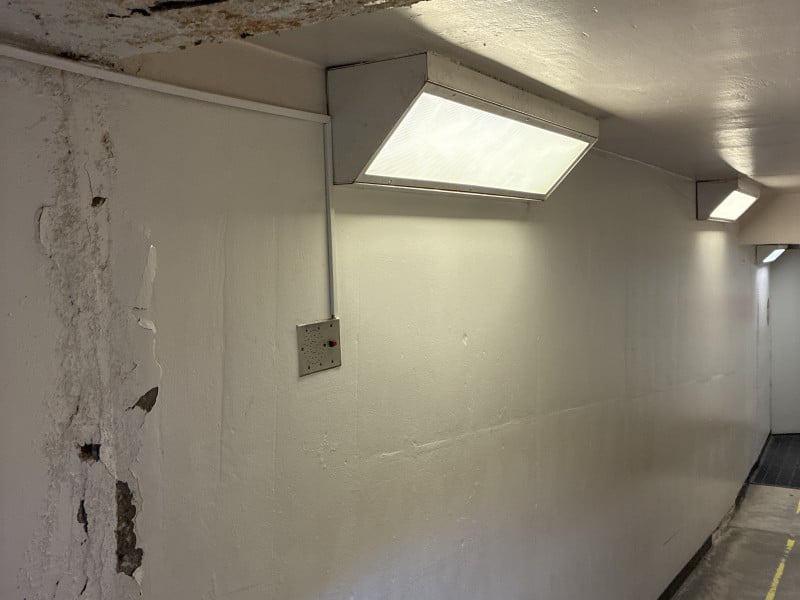
Local Politics: Drain the swampy Municipal Courthouse
Columbus wants to renovate the Franklin County Municipal Courthouse instead of replacing it. The people who work there say this very wet “derelict” building is beyond repair.