
Local Politics: Columbus City Council may help tenants by banning utility submetering
Much of what is now labelled ‘submetering’ actually falls under the practice of reselling utilities, with a third-party company dividing a bill among all of the units in a building based on a formula, often tacking on additional service fees.
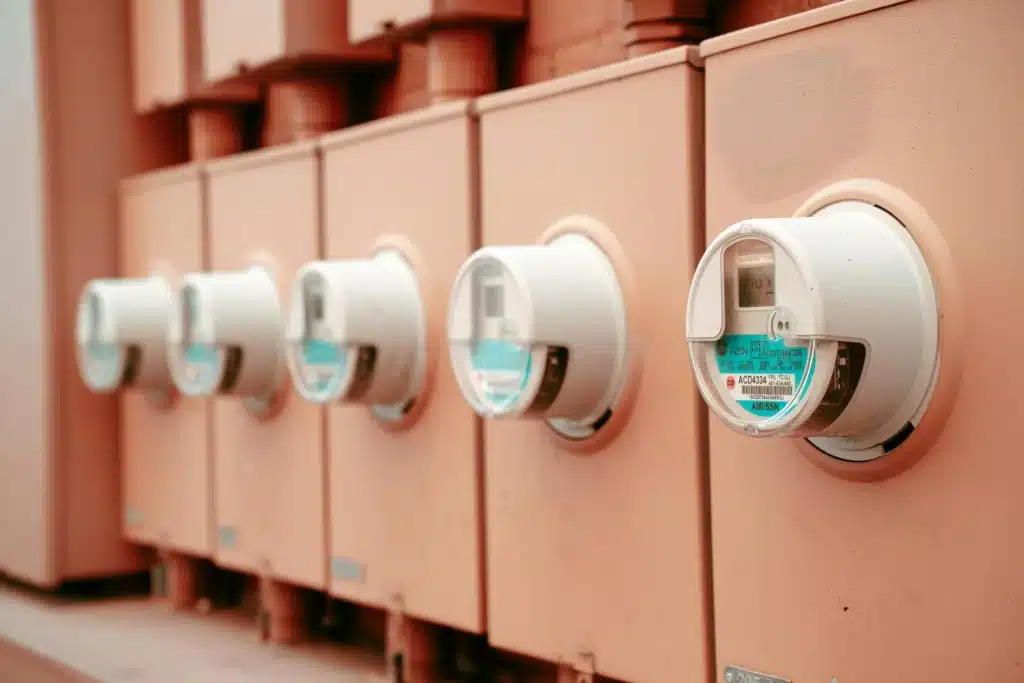
Columbus City Council member Chris Wyche, who chairs the Committee on Public Utilities and Sustainability, recently held public hearings on proposed utility legislation. The hearings took place on April 30 and May 21, the first in Council chambers and the second in the Wells Barn at Franklin Park Conservatory. The proposed legislation would alter utility submetering, a practice in which a landlord, property manager, or third-party bills residents for utility usage rather than residents making payments directly to a utility company.
Local resident and attorney Mark Whitt explained at the May 21 hearing that submetering came about as a necessity for utility billing in older multi-unit buildings where installing individual utility lines was impractical. (His full testimony from the hearing and that of other participants can be viewed here.)
Much of what is now labelled “submetering,” however, falls under the practice of reselling utilities. Typically, a third-party company takes the bill for the building and divides it among all units based on a formula and then bills each unit individually. The company may add a nominal fee to each bill to pay for the service it provides. The formula usually considers the square footage of the unit, the number of occupants, and other factors of that nature.
A donation powers the future of local, independent news in Columbus.
Support Matter News
In practice, tenants face many difficulties with the process. A 2013 Columbus Dispatch investigation provided excellent insight into the challenges experienced by local residents. Tenants may see charges that are much higher than what they would pay if they were billed directly by the utility company. They are ineligible for assistance programs managed by public utility companies. They may even face eviction if they are unable to pay these often-unpredictable bills.
While I was working with Columbus tenants a few years ago, primarily through Columbus DSA (Democratic Socialists of America), a local renter reached out looking for help with his utility situation. He had been attempting to get assistance anywhere he could, including emailing ABC 6. When I heard about the new pending submetering legislation, I immediately thought of him. I emailed him to see if he would want to tell his story but didn’t get a reply. He was employed by a state agency at the time, and likely still is, so I did not use his name, but I did read his email in my testimony at the May 21 hearing. This tenant faced incredibly high and unexpected water bills which put him at risk of eviction. He essentially had no options, because his landlord denied there was a water leak and demanded he pay the bills. I emphasized that submetering and reselling are not just impacting people’s finances, they are leading to evictions.
Sharonda Link testified next, sharing her story of inaccurate utility reselling at her former apartment complex. In the course of having her inaccurate charges waived and telling another tenant about unfair billing, Link ended up being evicted. She is currently homeless and staying with various friends. Her story highlighted another potential pitfall of eviction, which can make it difficult for tenants to find another landlord who will rent to them.
Submetering and reselling can also impact some homeowners, typically condominium owners. As Whitt noted in his testimony, the practice has been banned in most major metropolitan areas. In those places where it is allowed, submetering companies are regulated like utility companies, which gives consumers greater protections and possible recourse for unfair or inaccurate bills.
City Council’s current plans are based on legislation introduced in 2017 by former Council member Michael Stinziano, who now serves as Franklin County Auditor. That legislation failed to become law. Similarly, state legislation on the subject has been introduced in the past, and actions before the Public Utilities Commission of Ohio (PUCO) have been filed, but consumers have yet to win protections. The Office of the Ohio Consumers’ Council maintains a page covering developments in state regulation over the years. That office has been a staunch advocate for submetering reform.
Submetering legislation is also being discussed on the state level. One bill has bipartisan support and would regulate submetering in the same manner as utility companies. Two other bills are described as regulating submetering, but according to Nolan Rutschilling, Managing Director of Energy Policy for the Ohio Environmental Council, neither would substantially change current law, and submetering companies actually support the legislation. (Rutschilling said OEC does not support either of these bills.)
City Council’s proposed bill is likely to undergo further changes prior to its official introduction, but for now, hope remains that residents may finally see some relief from the unfair practices that have gone unaddressed for so long.
Related Articles
The problem with the CDC prohibiting ‘never use alone’
Officials from the Centers for Disease Control and Prevention reportedly told recipients of overdose prevention funding that they may no longer be allowed to promote the message that has become one of the pillars of harm reduction.
On Development: Of salad greens and sensible growth
Many developers and sellers confuse demand for a certain type of housing and a willingness to buy. There are hundreds of thousands of people in central Ohio who prefer older houses and apartments.

How Wexner’s desire for a city center led to a more fragmented Columbus
As the central Ohio retail magnate faces a larger public reconciliation owing to his ties with disgraced financier Jeffrey Epstein, a look back at how the Wexner name became so synonymous with the city.