
Columbus rapper Blueprint rediscovers his joy with ‘Chamber Music II’
“Some people will say, ‘You’re successful. You’ve done 20 years. Why change anything?’ And I’m saying that it’s the love that’s going to take me the next 20 years. Looking back at my early music … I was just really free. And that’s what I want to get back to.”
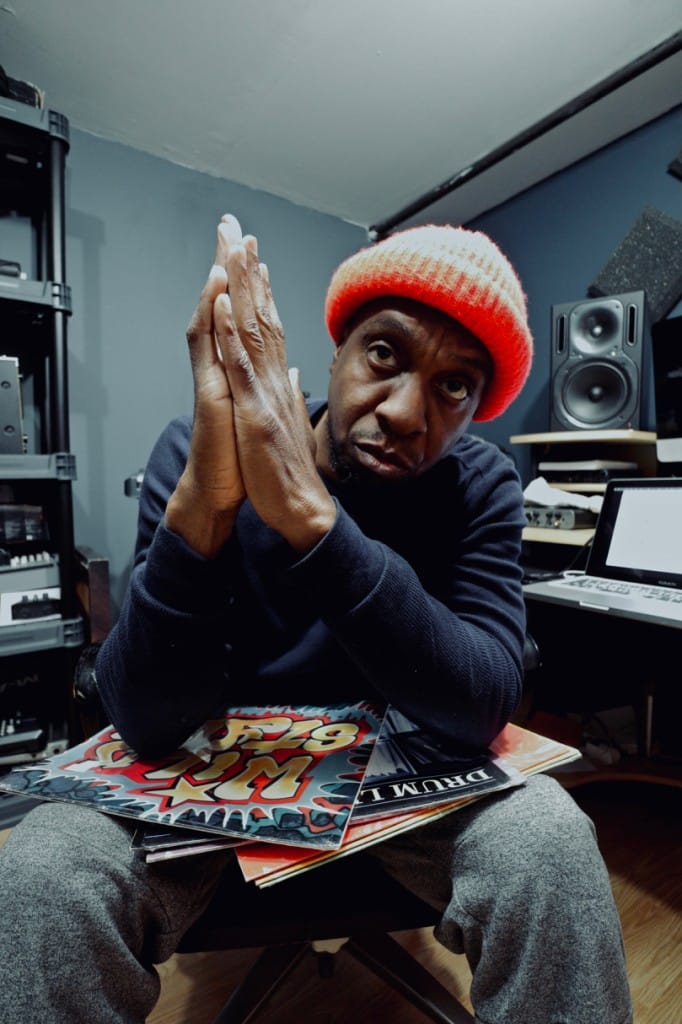
In the months and years prior to the pandemic, Blueprint started to grow concerned that his creative process had become overly entangled with the business of making music.
“I’ve had this conversation privately with many people, but the longer you do music, the more effort you need to make to be sure you’re still in love with it,” the Columbus rapper and producer said in an early November interview. “You start to subconsciously make decisions that you might not necessarily make if you weren’t depending on it to make a living, and there are certain projects you might pass on. It’s like, ‘Oh, I do this full time now. I can’t do that. I can’t just give this away. I need to get paid.’ And you make these decisions every day. And I felt like a part of me had gone too far down that path, where it was like, if you’re going to put out a record, you gotta do the full tour, you gotta do the publicity, you gotta make this many music videos. … And you can reach a point where it paralyzes you from having any fun with music.”
When Covid hit, though, the ensuing shutdown temporarily forced Blueprint into a new role as a commercial truck driver and left him wondering if and when he would ever again pick up the mic. In time, however, navigating these unexpected hurdles proved beneficial, obliterating the corrosive tie that had begun to develop between Blueprint’s creative passions and his need to make an income.
A donation powers the future of local, independent news in Columbus.
Support Matter News
“The blessing of driving the truck is that all of a sudden I was making money without music, which helped me get back to loving it. And so, I told myself that if I come back to this, it has to be love. There have to be things I do with this strictly because they’re fun, and not because they’re going to pay the bills,” said Blueprint, who delivers on this promise with Chamber Music II, an album composed largely of hip-hop instrumentals due for digital release on Tuesday, Nov. 5, and which the musician will celebrate with a free release show at Rehab Tavern on Friday, Nov. 8.
The sequel lands two decades after the release of the first Chamber Music, from 2004, which Blueprint recorded as a means to more fully explore his production work, with more than half the tracks appearing absent vocals and traversing everything from drum and bass to woozy jazz instrumentals. The rapper said the decision to again navigate this terrain was a conscious one, and reflective of a new post-pandemic attitude that has left him more willing to exhume the ghosts of the past. This is an idea that previously would have been unimaginable to the artist, who has been almost relentlessly focused on the future in the years since he debuted with The Weightroom in 2003, moving like a great white shark in his belief that not propelling endlessly forward equaled certain death.
“And in always looking to what’s next, we don’t take the time to celebrate our own back catalog,” said Blueprint, who has adopted a more rear-looking stance in this past year, joining with Illogic in October to celebrate the 20th anniversary of the Columbus rapper’s 2004 album, Celestial Clockwork, which Blueprint produced, and turning out the first sequel of his career in Chamber Music II. “I never did a part two of anything. And I never had these franchises that certain people have in their catalogs. And I started to think I was doing myself a disservice, like, ‘Why does it have to be a one-time thing?’ I felt like I wasn’t thinking big enough.”
Armed with this new perspective, Blueprint again began to record a series of hip–hop instrumentals, emerging with tracks such as “Axelrod’s Ghost,” a tribute to the late Los Angeles composer David Axelrod on which Print gradually builds from a soothing, horn-flecked groove into something more urgent and sinister, and “Lazy Sunday,” a warm, lush number that passes like morning sunshine through a window.
The album is rounded out with a handful of songs that feature vocalists, with Blueprint rapping over a broken-music-box beat on “The 2nd Chamber” and Illogic reflecting on those carefree days gone by on the soulful “All Three.” Then there’s “The Return,” a swaggering, vaguely operatic track that gathers the heavyweights from hip-hop supergroup the Orphanage, including Blueprint, Illogic, Eyedea, Aesop Rock and Slug.
This brief reunion is also indicative of the more freewheeling approach that Blueprint, born Al Shepard, has adopted post-pandemic, forgoing the deep planning suggested by his rap name and learning to embrace the randomness of the moment.
“Fifteen years ago, we probably wouldn’t have done [‘The Return’], because we would have been like, ‘If we do this, what is it going to lead to? Is it going to put too much pressure on us [to make a full album]?’ Now, it’s just friends doing something we love together,” Blueprint said. “Making decisions [with the business in mind] isn’t what got me to where I am, and sometimes you can forget that if you do this long enough. Some people will say, ‘Well, shit, you’re successful. You’ve done 20 years. Why change anything?’ And I’m saying that it’s the love that’s going to take me the next 20 years. Looking back at my early music, I would do anything I felt like doing, whether it was the bugged-out stuff you hear on Chamber Music, weird, dark stuff with Illogic, or traditional boom-bap with 1988 for myself. I was just really free. And that’s what I want to get back to.”
Author
Related Articles
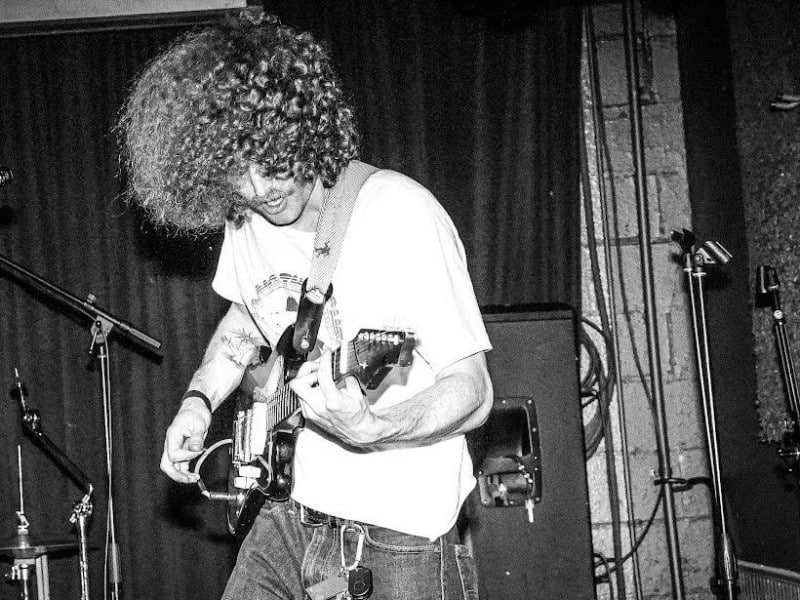
‘I never had any aspirations for it and I still don’t’: Inside the slow, steady rise of Clean Demon Records
Mario Malachi founded the Ohio-based DIY label in 2019 as a landing page for his many bands and has since expanded on this vision to release a string of great records from the likes of Golomb, Big Fat Head, and Long Odds, among countless others.
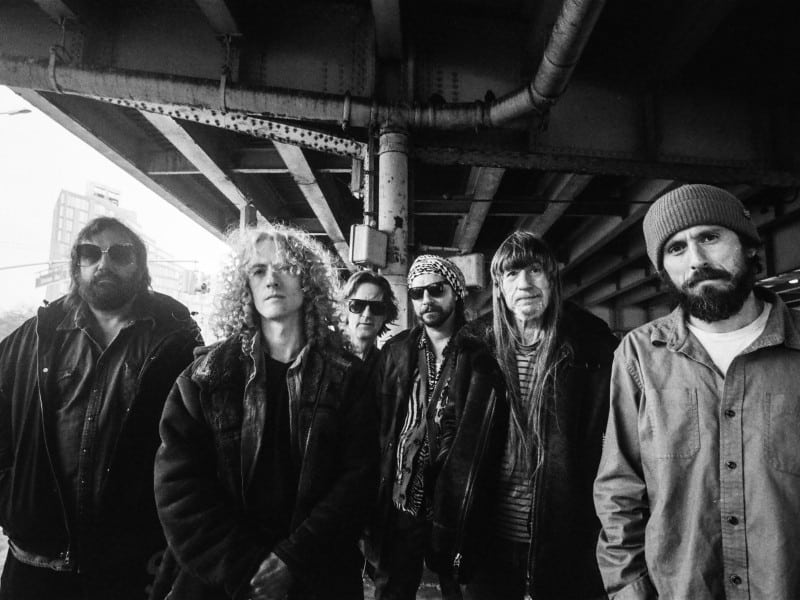
Prison finds freedom in sprawling psych-rock jams
The New York band’s current tour hits Rich Street Records on Saturday, Aug. 15.
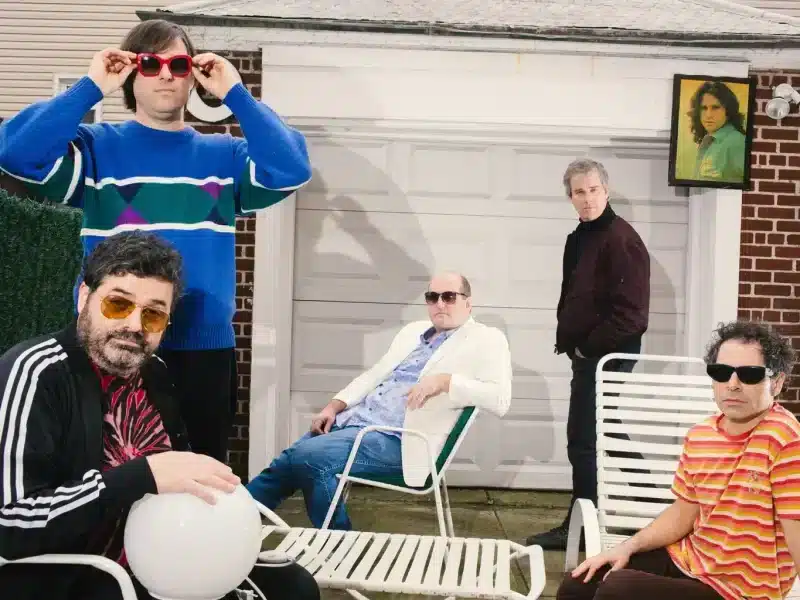
Curiosity, community continue to fuel Oneida
The long-running experimental rock band will visit Cafe Bourbon Street for a concert on Friday, Aug. 14.