
Knocked Loose always looks on the bright side of life
The Kentucky hardcore band, which headlines Kemba Live on Friday, Oct. 4, said the slight glimmer of hope in its most brutal, punishing batch of songs to date arrives via the narrators’ ability to endure life’s accumulated pains and still manage forward.
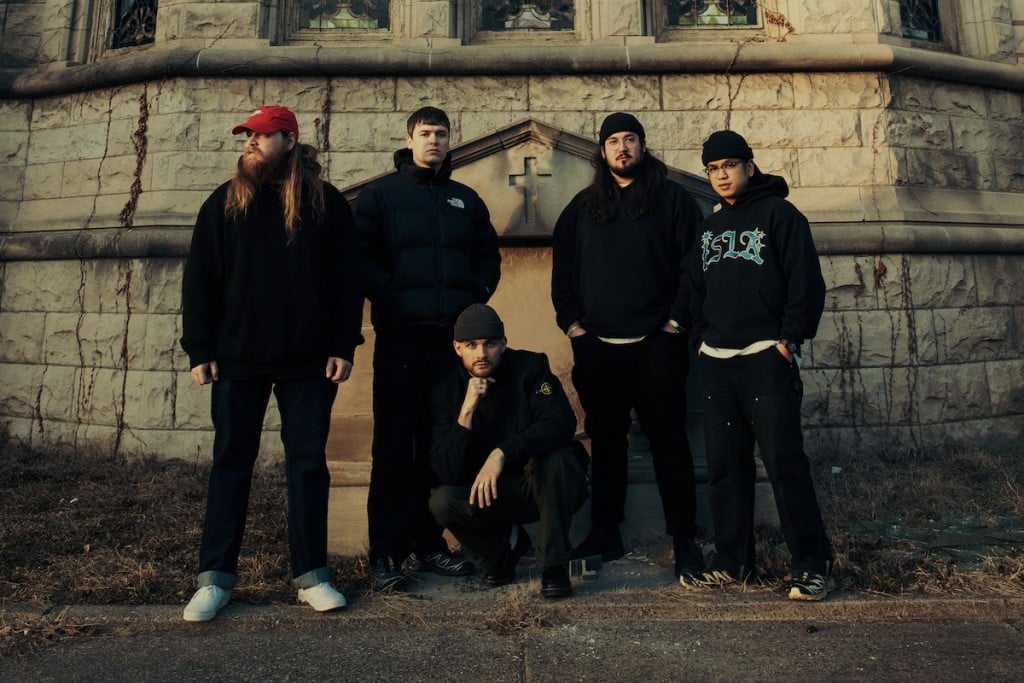
Knocked Loose guitarist Isaac Hale said he still feels the same pull toward extreme music that he did as a child, even if the reasons for his interest have evolved.
“When you’re younger and you’re experiencing a lot for the first time, some people have that tick where they keep searching for the most brutal thing, the most egregious thing, the thing that’s dirtier and scarier,” said Hale, who will join his bandmates in headlining a concert at Kemba Live on Friday, Oct. 4, supported by Militarie Gun, Drain and the Garden. “And I think now it’s an appreciation for how those sounds are made. We’re a band that’s made a lot of scary music in our career, and we try to keep getting heavier and more aggressive as we go along. So now it’s mostly about [asking], what are other ways we can do this? … Because you don’t want to be three full lengths in and run out of ideas.”
On You Won’t Go Before You’re Supposed To, released in May on Pure Noise Recordings, the Kentucky hardcore band continues to uncover new wrinkles in its pulverizing sound. At times, the musicians manage this by introducing added structure, with tracks such as “Suffocate” featuring more traditional verse-chorus-verse arrangements that add ballast to the sonic chaos. “We picked our moments,” Hale said. “We wanted to flirt with structure in a way that didn’t compromise the heaviness of the band. It was like, okay, if we’re going to do a chorus with traditional verses, it needs to be heavy enough to where it doesn’t feel like we fell into a pop formula.”
A donation powers the future of local, independent news in Columbus.
Support Matter News
He needn’t have worried. You Won’t Go is both taught and punishing – the entire affair clocks in at under 30 minutes and should leave most listeners scanning themselves for fresh bruises – built on gnarly, consistently inventive breakdowns and gut-shot blast beats. Then there are the larynx-shredding vocals of singer/howler Bryan Garris, who turns his attentions from the casket (A Tear in the Fabric of Life, from 2021, is a concept album rooted in a fictional deadly car crash) toward those desperate questions that might give rise in the aftermath of such tragedy.
The title for You Won’t Go Before You’re Supposed To is taken from the words of comfort offered to an anxious Garris by his seatmate on a turbulent flight home to Louisville. Despite this hopeful premise, the record can be unremittingly bleak, often lingering on fractured mental states and a sense that things are closing in. “Moss Covers All,” for one, bears the scars of Covid, centered on an isolated figure who rots away in solitude, their decomposing body gradually consumed by vegetation. Other tracks mimic the feel of panic attacks – rooted in anxieties that Hale said have a long presence in the band but were magnified by the early stages of the pandemic.
“Writing this record, Covid definitely had an effect, and I think that separation had an impact on everyone’s mental health,” he said. “The sadness, the depression, the anxiety, it all ramped up. But I wouldn’t blame all of that on Covid or say it’s a direct cause, even if it definitely brought a lot of those issues to the forefront.”
At times, Garris and Co. take a more outward look. Such is the case on “Slaughterhouse 2,” a track that appears to address the growing class divide, with Garris delivering lines about overseers profiting off the work of laborers, who in turn hoard their rations in a desperate bid to stave off starvation. Similar concepts underpin “Blinding Faith,” which directs its ire at religious institutions that have commodified faith and lord their authority over their desperate devotees, Garris refusing to kneel even at the cost of his eternal salvation. “No promise of heaven will make me march,” he howls. “With my final breath I deny the church.”
“That’s another thing the band has explored since the beginning, really. One of the first music videos we put out was for a song called ‘The Gospel,’ and it’s more so trying to understand the viewpoint of some of these people we would call blinded,” said Hale, who attended both public and homeschooled churches while growing up outside of Louisville and allowed that he’d “seen the full gambit of what that space can do.” “It’s about learning to question your own beliefs and asking why other people don’t question theirs. … And I think we’re tackling those questions with a bit more knowledge and a bit more experience now that we’re older.”
While the music can have a constricting effect, tightening its tension-inducing grip on listeners, it’s not all darkness, with Hale allowing that the promise suggested by the title is reflected in the ability of the song’s narrators to endure these accumulated pains and indignities and still manage forward.
“The record is filled with so much strife and sadness and anger, and the entire message, the entire theme of it is that life is hell,” Hale said. “But it’s also a statement that the person is still here, regardless of what they’ve gone through. … And there’s a glimmer of hope in that strength.”
Author

Related Articles
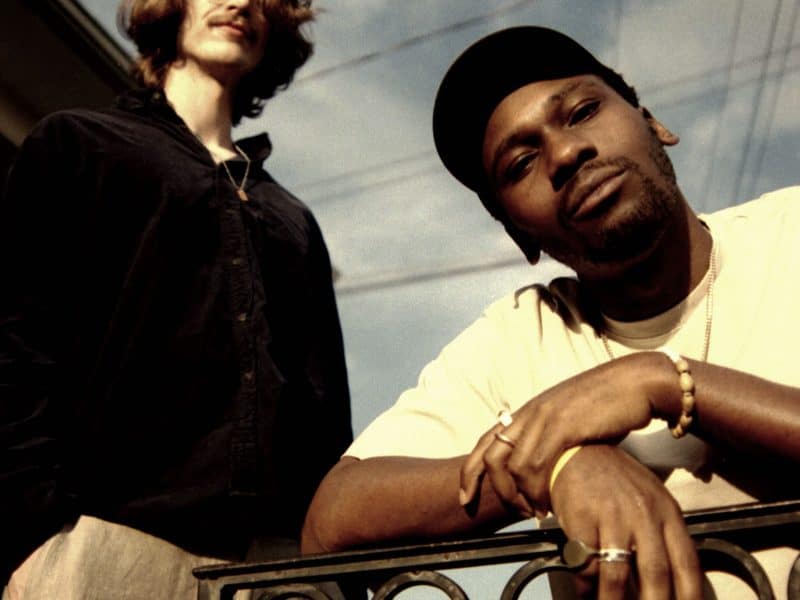
Dom Deshawn and Stale Brick find a pressure release in ‘The Mahogany Tape’
The duo will celebrate the release of their new collaborative album in concert at Good Land on Thursday, May 12.
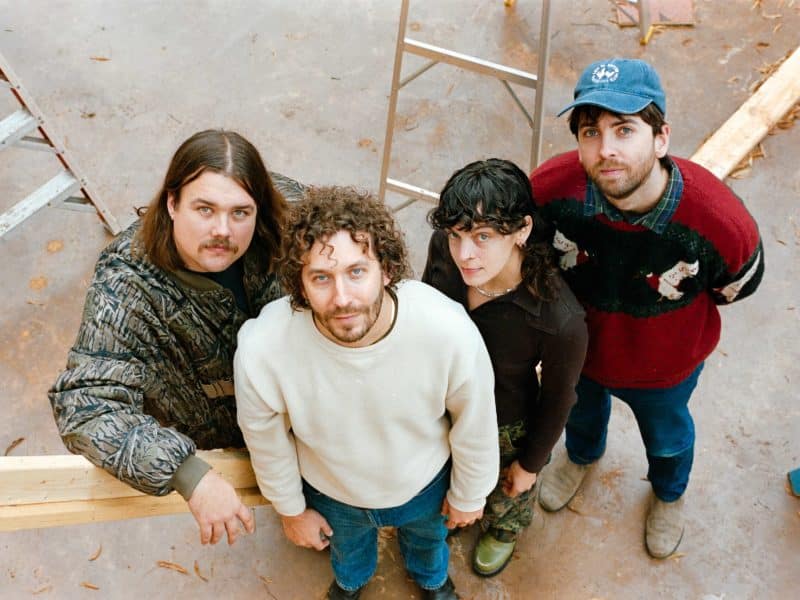
Sluice is still figuring things out
The Durham, North Carolina band visits Rumba Cafe for a concert on Saturday, May 9, playing behind its excellent new album ‘Companion.’
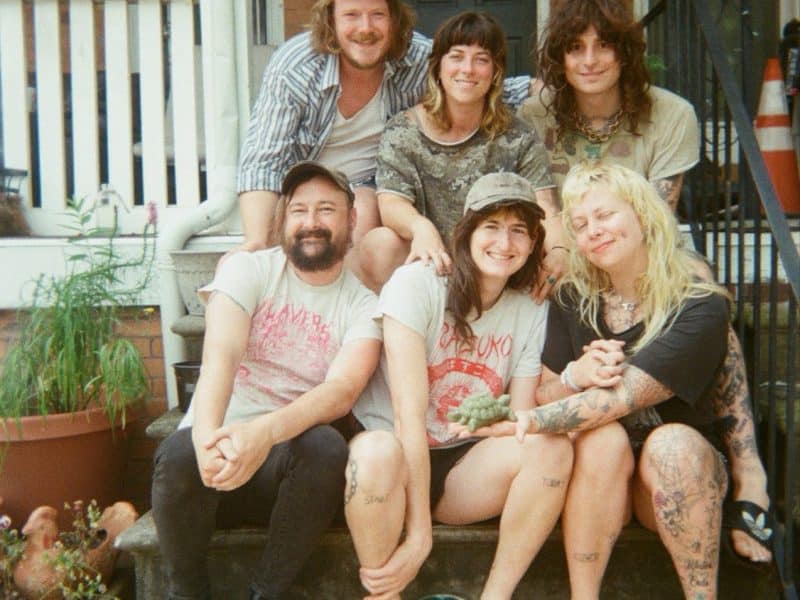
Pigeon Pit takes in the big picture, centers the small moments on ‘Leash Aggression’
The Olympia, Washington folk-punk band hits Dirty Dungarees for a concert on Wednesday, May 6.