
On Development: Our neighborhoods need density, not DoorDash
Density creates the critical mass that can put local restaurants within walking distance of other shops and neighborhood services and attractions.
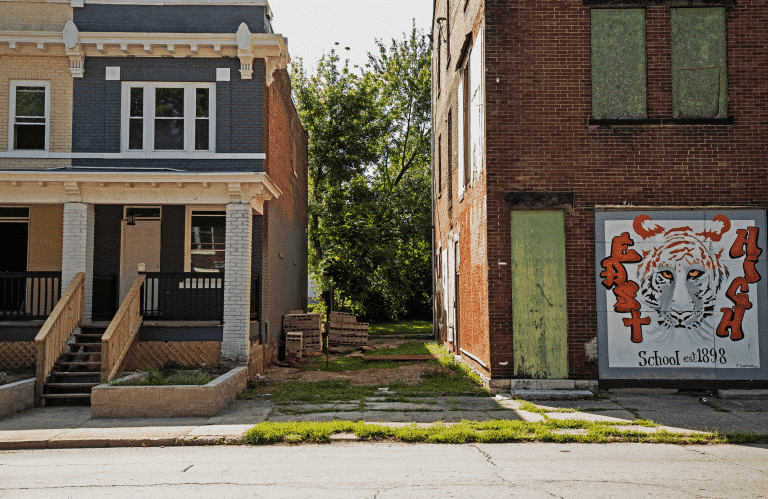
Lively neighborhoods with restaurants and retail are essential as Columbus grows and redevelops. But new large apartment buildings have trouble filling ground-floor retail space – and we need lively streetscapes because online food delivery is not a long-term solution to community building.
Transportation patterns have always shaped the growth of cities. Into the 1950s, Columbus, like most cities, had walkable neighborhoods and a greater percentage of the population used transit. Over time, smaller families and larger lots spread the population further apart and made multiple cars essential in many households.
Now, at a time of regional population growth, there is great potential for revitalizing – and re-densifying – those traditional neighborhoods. Indeed, COTA’s LinkUS plans and the city’s “Zone In” initiative are aimed at doing just that (and many other things).
A donation powers the future of local, independent news in Columbus.
Support Matter News
Phase I of the Columbus zoning initiative was adopted about two years ago. One goal was allowing greater density in existing commercial and mixed-use areas at a time of transit expansion. Phase II of the growth strategy is nearing completion (final public comments are due by Oct. 24) and it focuses on neighborhoods with additional mixed-use areas, industrial and warehouse areas, and business and institutional campuses.
Within those target areas, the goals include more housing in more places; stronger job centers; better connections among housing, jobs and education; and predictable, clear rules. The document also calls for development that “contributes to a high-quality, walkable and cohesive environment.”
That means the kinds of neighborhoods Columbus had decades ago – the “downtowns” of individual neighborhoods such as Broad and Sullivant on the Hilltop; Clintonville and Linden on the North Side; South High and Parsons on the South End; and Main and Mt. Vernon on the East Side. The new code would include “market driven” parking, design standards, and a mix of homes, shops, workplaces.
But there are challenges. In this age of ubiquitous “Ubergrub” delivery apps and the gig economy, it seems so convenient. But New York City alleged that DoorDash was in violation of a 2023 city law by short-changing drivers.
It’s no surprise that the tech guys skim off the top of what’s due to their gig drivers. But skimming pennies can add up quickly: In settling the case, the DoorDash folks readily paid back $131.5 million to 264,000 workers – in New York City alone. ($16.7 million was from a civil fine to be paid by the company.) That’s a lot of deliveries that cut into the tax-paying turf of local restaurants.
On one hand, drivers have flexible hours and can pretty much work when they want. On the other hand, the suit showed:
- drivers were being short-changed on tips
- brick-and-mortar restaurants often must sell their goods at a lower rate to stay relevant and sell through the gig brands
- and the profits (after the restaurants and drivers are paid) goes to the techies – what New York Mayor Zohran Mamdani calls the “greedy algorithms” of businesses in out-of-town locations far from New York.
The suit may make it more palatable for us to feed ourselves through delivery apps, but will it encourage us to eliminate the middleman and to walk down the block to a neighborhood deli?
And, in Columbus, can the new zoning code change our buying habits and encourage us to stop in at a local joint on the way home from work or the bus stop? Zone In will make the city denser – or as dense as it used to be. (Many older Columbus neighborhoods are actually less dense than they were decades ago. Households have shrunk since the days when litters of Baby Boom children and grandparents lived under one roof.)
Density creates the critical mass that can put local restaurants within walking distance of other shops and neighborhood services and attractions. This doesn’t mean we must buy all of our goods within walking distance. We’ll still drive to department stores and groceries, but we won’t be forced to drive a mile or two for a loaf of bread.
In fact, neighborhood growth might lead to new business opportunities that could create new-generation corner stores. The vacant or underused ground floor retail space in many new apartment buildings, ideally, will fill up as more housing brings neighborhoods back to their former populations.
Density must become our destiny.
Brian Williams is semi-retired journalist and planner
Related Articles
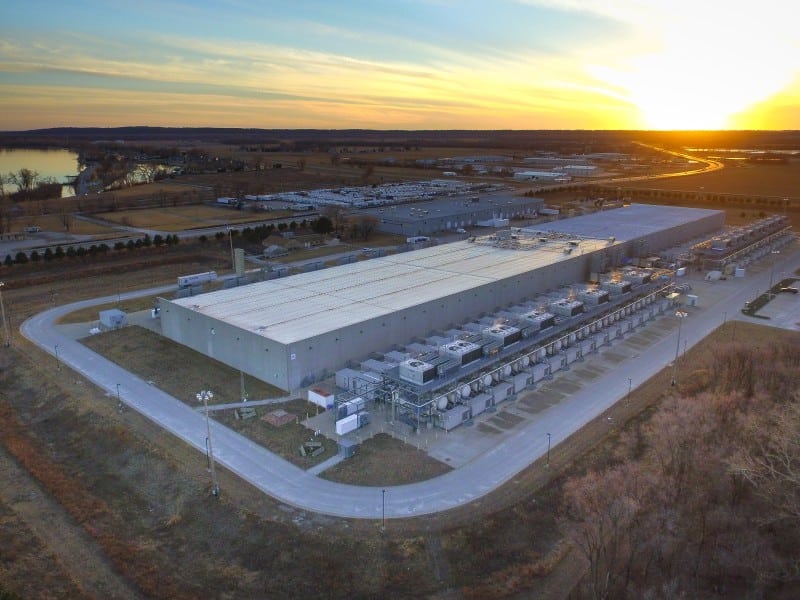
‘Pitchfork Populism’ Over Data Centers Rattles Ohio’s U.S. Senate Race
The issue, which barely registered with candidates last year, looms large in a race that could determine control of Congress.
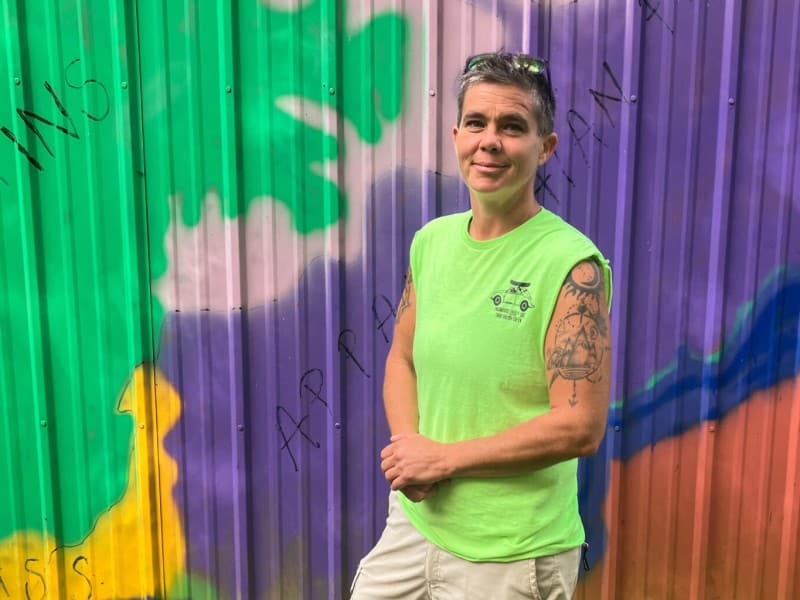
Inside Ohio’s Revolt Against Data Centers
A colorful crew of activists helped spur moratorium votes in 10 communities next month. Now, they’re aiming for a statewide ban.
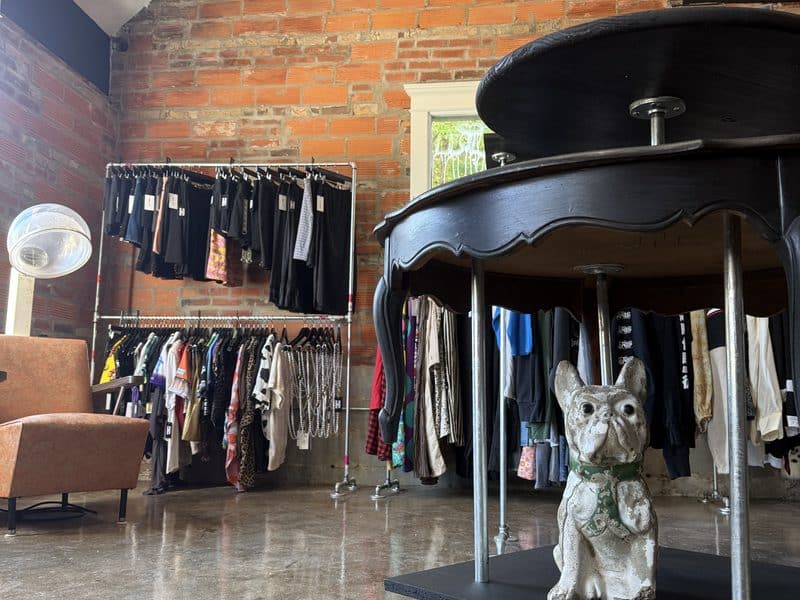
Ripped to Shreds is ready to hit the runway
The new resale shop, created in partnership between artist and musician Courtney L. Hall and Used Kids owner Greg Hall (no relation), will celebrate its grand opening on Sunday, Oct. 11.