
Overlooked artists take center stage in ‘It’s an Honor to Be Here’
In curating a new Riffe Gallery exhibition, Maria Burke and Madeline Beaumier wanted to bring greater attention to the taxidermists, decoy makers and nature photographers whose work often goes uncredited.

When Luke and Mark Costilow dropped off their duck decoys for “It’s an Honor to Be Here,” a nature-themed exhibition now on display at the Ohio Arts Council’s Riffe Gallery, co-curators Maria Burke and Madeline Beaumier wore archival gloves while taking possession of the hand-carved and painted wooden waterfowl.
“And they were like, ‘Girls, we shoot at these. You can just put your hands on them,’” laughed Beaumier, who joined Burke for a late-January interview at the Riffe.
“It was like, ‘Usually these are rolling around in the back of our pickup truck,’” said Burke, who then expanded on the level of detail that went into the crafting of each bird. “The ones we’re looking at now, the loon and the black duck, the loon looks like it’s sitting very low while the black duck is almost floating on the pedestal, and that’s very intentional, because loons are a diving duck and they just naturally float lower on the water, where black ducks are dabbling ducks and kind of float on top.”
A donation powers the future of local, independent news in Columbus.
Support Matter News
In brainstorming the exhibition, Burke and Beaumier wanted to bring greater attention to these kinds of overlooked artists, taking the taxidermists, decoy makers and nature photographers whose work is often presented uncredited in natural history museums and giving them the white-glove treatment, presenting their handiwork alongside fine artists in a traditional gallery setting. The two presented the first iteration of the exhibit at the Decorative Arts Center of Ohio (DACO) in Lancaster in September 2023, embracing a method of curation similar to what Beaumier adopted in her previous association with 83 Gallery, which included an expansive open call for artists and a sprawling, salon-style presentation that allowed the space to feature 38 creators from 22 counties.
The exhibition currently in place at the Riffe is more carefully curated, in contrast, gathering 16 artists and offering more space in which individual pieces can breathe. Burke and Beaumier also considered the downtown Columbus setting in assembling the work, introducing pieces that showed humans interacting with the natural world, such as the family of campers taking in the starlit skies in a collaged piece by Lailah Hill, or the Panamanian immigrants navigating the Atrato River in a gripping painting by the Columbus artist Nick Stull.
“We didn’t want to just give [the Riffe] a smaller version of the DACO show,” Beaumier said. “We wanted to bring them something unique that wasn’t just a shadow of what we did before.”
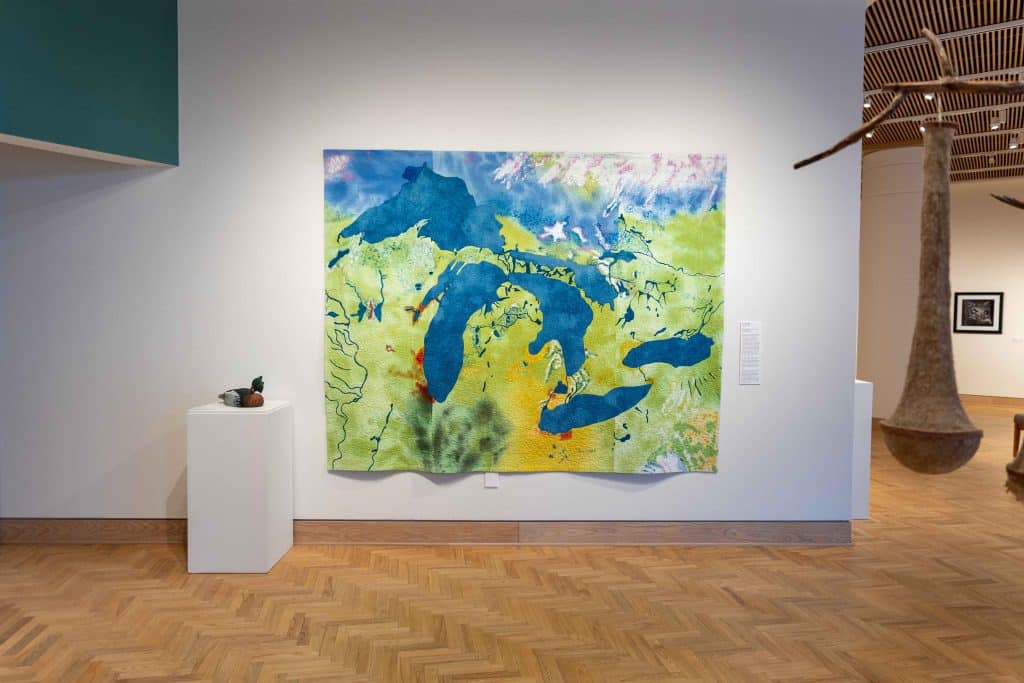
There are a variety of disciplines and scales on display, with some artists taking a comparatively big-picture view and others zooming in close on their subjects. Textile artist Deb Berkebile recreates the entirety of the Great Lakes region in her wall-sized quilt (appropriately titled “The Great Lakes”), mapping the area’s geological features with quilted patterns and hand-dyed fabrics, while photographer Samuel James zooms in, uncovering entire galaxies in tiny vernal pools filled with fairy shrimp and the larvae of wood frogs and diving beetles.
“It’s a whole world in a puddle,” Beaumier said.
The exhibition also contains a handful of taxidermy pieces, whose creators by their nature tend to be overlooked, their creations displayed without credit in natural history museums and park visitor centers. Taxidermy artist David Might, for example, has only had his name attached to his work twice – in the earlier exhibition at DACO and again here at the Riffe – and Burke said there’s generally limited public awareness of the range of skills required of the craft.
“It’s sculpting, it’s sewing, it’s painting,” said Burke, who for more than a decade worked at the Cleveland Museum of Natural History, designing exhibits and coordinating with model-makers, taxidermists and scientific illustrators, in addition to creating her own taxidermy pieces. “This lion in particular was somebody’s pet who passed away, and [Might] obtained the skin from the Hefner Museum [of Natural History in Oxford, Ohio] because he had the idea to create a replica of the Smilodon.”
To create the fearsome creature, Might started with a commercially available Styrofoam lion form, which he carved into shape. He then incorporated additional foam, sculpting clay and epoxy in places to recreate the musculature, modeling the animal’s head and teeth on a 3D print of a Smilodon skull obtained from a museum. To complete the work, he stretched the hide over this detailed form and sewed it into place, later painting the fur to match the patterning displayed by the prehistoric creature.
“I think one thing taxidermists have in common is that we really love animals, so if we can give them a second life that’s kind of the goal,” Burke said. “It’s a way for people to experience these animals up close and get an idea of their scale and just how remarkable they are.”
It’s also a chance for gallery visitors to finally take notice of those creators who tend to work in anonymity, and who have occasionally faced barriers when attempting to gain the attention of the fine art world.
“The duck decoy artists in particular were like, ‘Oh, my gosh, we’ve wanted to do this forever,’ and they have tried to enter their decoys in art shows but were often turned away,” Burke said.
“And the reason for that is something we thought we might discover in the process, because it seems really obvious this is all art,” Beaumier said. “I guess it’s just one of those things where you just have to put it on a clean ped[estal] and light it right.”
Author

Related Articles
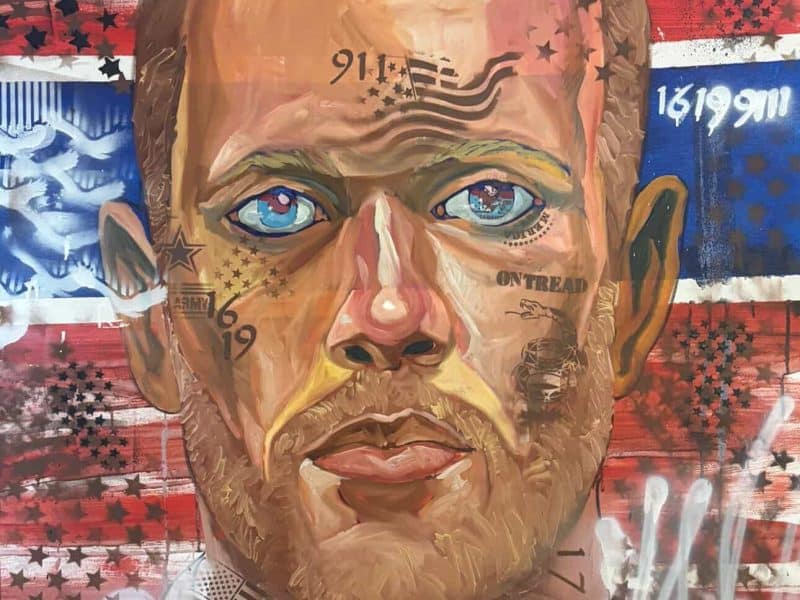
David Butler makes a stunning return to ‘Whiteland’
The Columbus artist’s thought-provoking new exhibition kicks off at Hammond Harkins Galleries with an opening reception on Saturday, May 9.
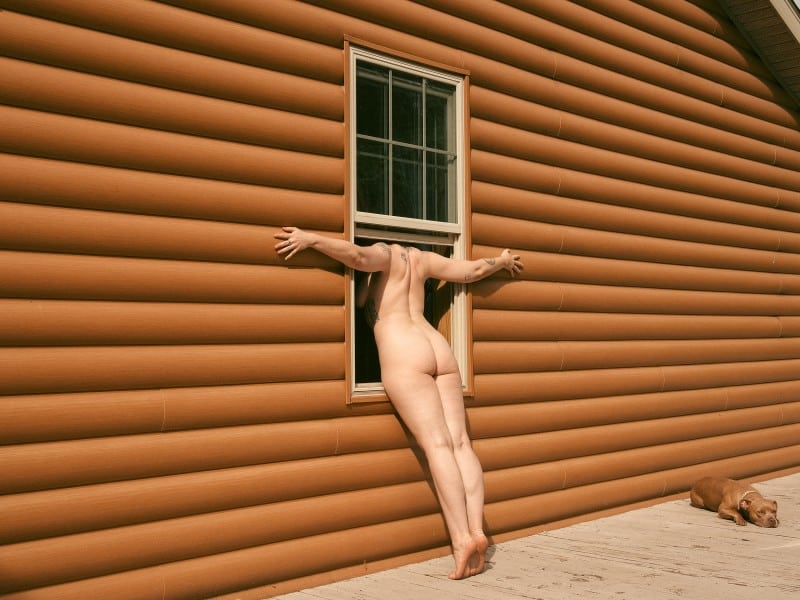
Kate Sweeney captures herself at the threshold
The Columbus photographer recently had two images named to the 2025 Booooooom photo awards longlist, including an eye-catching shot taken on a summer trip to Michigan that she described as ‘a self-portrait of transformation.’
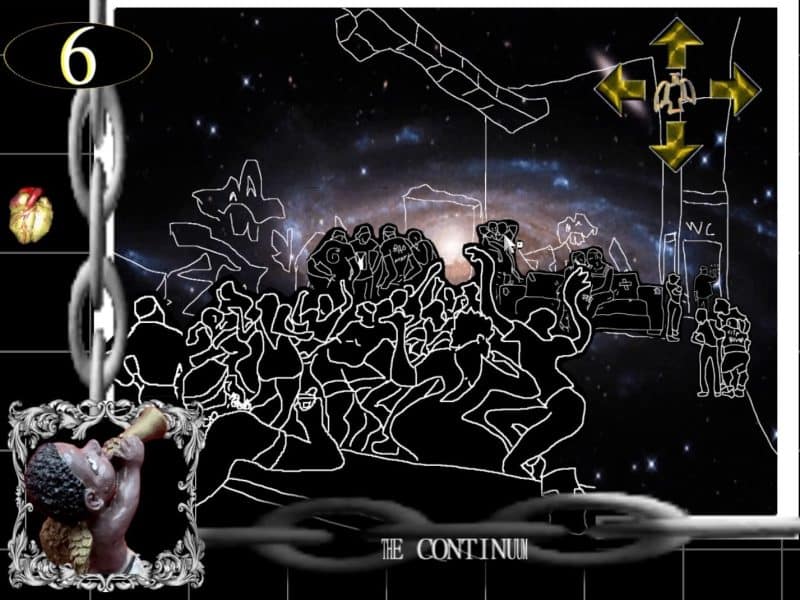
Cameron Granger’s debut video game doubles as a love letter to the Columbus DIY scene
In ‘Sidechain,’ set at a warehouse party on the final night before the world ends, players navigate scenes that draw inspiration from the formative years the artist spent frequenting spaces such as MINT, Corrugate, and Skylab.