
Max Subar slows things down with ‘Anything Could Be’
The Case Oats guitarist, who visits Rumba Cafe for a show on Thursday, July 23, goes it alone for his contemplative new album.
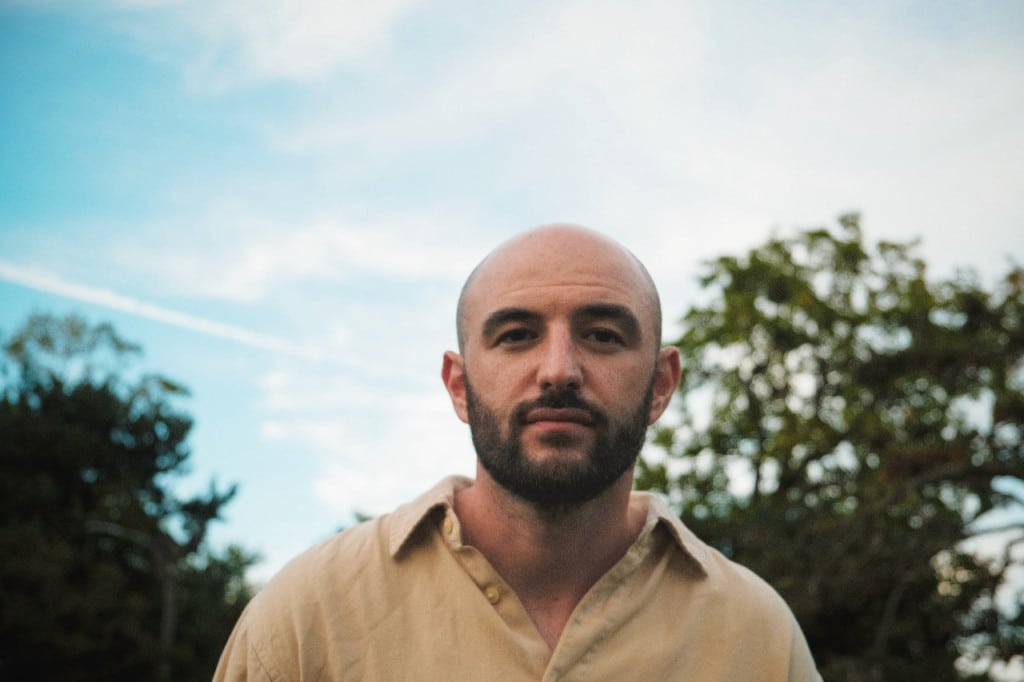
Max Subar penned the songs that came to be new album Anything Could Be (Merge) beginning in 2020, writing at a point in time when the pandemic had slowed things to a crawl, allowing time and space for more concentrated introspection.
“There was a lot of time to take stock,” said Subar, who headlines a concert at Rumba Cafe on Thursday, July 23, supported by Gardener and Spitcurl. “But that’s also something I’ve always [muddled] through, trying to appreciate time alone but not always being comfortable with myself and where I’m at in my own psyche. I’m learning how to be more comfortable and to get something fruitful from solitude, especially in the chaotic landscape of this modern life.”
These ideas resonate throughout lush, acoustic songs such as “As the Weather,” which centers on the realization that “alone is not lonely.” Elsewhere, Subar wrangles with the finite nature of existence (“History”), highlights those nearly imperceptible moments that can signal better days to come (“See Saw”) and stresses the importance of evolving as a person even as the world around continues to corrode. “Not myself anymore,” he offers on the genteel “I Never.” “Perhaps it’s a good thing.”
A donation powers the future of local, independent news in Columbus.
Support Matter News
For Subar, songwriting proved a necessary anchor amid pandemic uncertainty, giving his days a sense of cadence he said they might have otherwise lacked. Typically, the musician would begin each day by waking up, making a cup of coffee or tea, and then adjourning with a pad and pen to the backyard of the Chicago bungalow in which he lived.
“And just seeing what would come out each morning was such a wonderful experience,” said Subar, who also plays guitar in the Chicago alt-country band Case Oats. “I was definitely processing where I was in that chapter of time, whether I was feeling hungry for more in life, or going through some depression and thinking about past relationships. … And it was really like therapy. And it wasn’t until I had finished writing a bunch of songs that it began to crystallize for me what the record was really about, which was following your instinct, getting closer to yourself, and staying curious as opposed to … just going through the motions of it all.”
Subar said this idea informed the music, as well, and that he pushed himself to lean on instinct and to let even the instrumentation come together more naturally, like a wild meadow given bloom rather than a landscape shaped and manicured through force. “I didn’t want to embellish, over-arrange, or overthink anything,” said Subar, who leaned into warm, pastoral sonics at odds with the winter recording sessions, which took place overlooking a frozen Wisconsin lake. “And we would keep the shades open where you could see the lake, and it was such an interesting thing, because that was such as throughline in these songs, where it’s like the outside world can be on fire, and there can be crazy shit happening all over the place, but you still have yourself to come back to and find comfort.”
While there are points within Anything Could Be where loneliness exerts a tightening grip, with Subar lingering on the distance that can grow between former intimates or allowing heavy memories to pull him away from the moment, there exists within the album an awareness that there are positives to be pulled from these difficult times. “Lost touch, found much,” the musician offers hopefully on “Everything Is.”
This idea resonates most strongly on “The Day Will Be New,” which takes place under cover of darkness but centers on the inevitably of dawn. “Hang on,” Subar urges, singing in a comforting tone that suggests a man who has borne the brunt of some tragedy and somehow emerged on the other side with optimism intact.
“And talking to other people, that’s been such a special thing that’s come through, where the songs touch on a lot of things that might be heavy but ultimately there’s an essence of hope,” said Subar, who credited this natural bent in part to the feel he gets when he cradles a guitar as he writes. “For me, even holding a guitar is a really healing, generative experience. … Holding an acoustic guitar, playing chords, and letting the resonance go through your body, there’s a crazy sense of peace I get from that, and which is hard for me to find in other places. It has this effect on my brain where it sort of slows everything down, and when things slow down, there’s more room to see them clearly.”
Author
Related Articles

‘Southern Oracles’ shines a light on Columbus’ South Side
For his latest show, which takes place free at Ohio State’s Weigel Hall on Tuesday, Sept. 1, Scott Woods brings together musicians, dancers, rappers, and more to explore a side of town that he said holds the city’s ‘truth.’
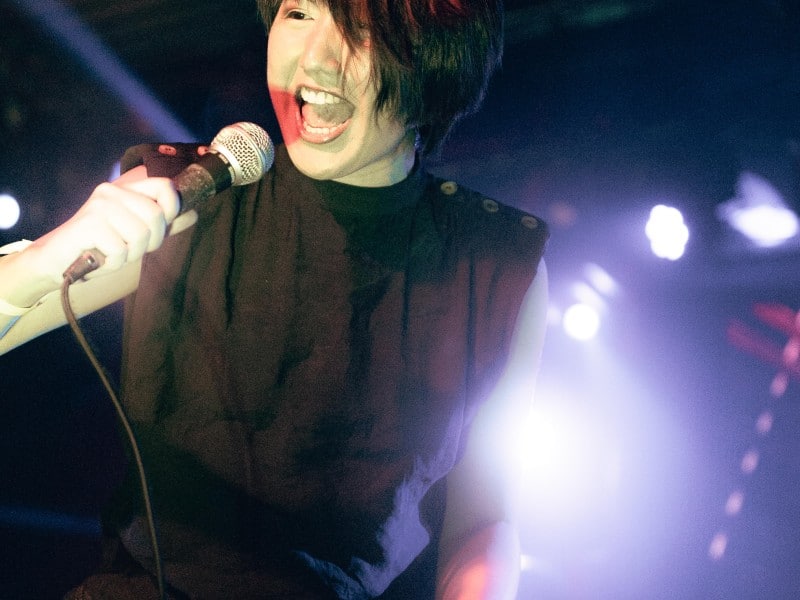
Nerdcore Summer Camp prepares to make its debut in Columbus
Performers whose songs touch on everything from computers to the everyday realities of life as a stepdad will take over the stage at Spacebar on Saturday, Aug. 29.
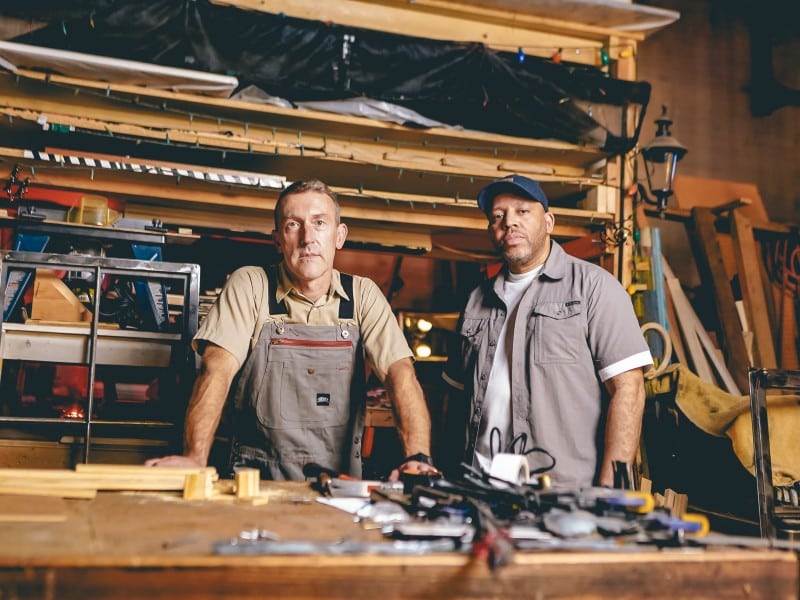
RJD2 and Supastition push each other to new heights on ‘According To…’
The Columbus producer will team with the North Carolina rapper to headline a reborn 2×2 Hip-Hop Festival at Land-Grant on Saturday, Aug. 29.