
Opinion: To meet climate goals, Columbus leaders must address data centers
With the City Council presenting its draft proposal for municipal data center policy this week, residents must seize the moment to demand meaningful safeguards that will actually minimize the climate impacts of data centers.
Over the past week, Ohioans have experienced the worst air quality in the state’s history, as smoke from Canadian wildfires made its way south. The Canadian Climate Institute attributes the nation’s worsening wildfires to “[a]ccelerating climate change, largely from the burning of fossil fuels.” The United States is the second largest consumer of fossil fuels and the top consumer of fracked gas, and Ohio ranks in the top 10 among U.S. states for coal, gas, and petroleum. As the largest and fastest growing city in Ohio, Columbus has a significant role to play in addressing this global issue.
In 2021, the City of Columbus released its ambitious Climate Action Plan, which included a commitment to reduce citywide greenhouse gas emissions 45 percent by 2030, in line with climate science. Key to this plan was the Clean Energy Columbus electric aggregation program, with a goal of generating 100 percent renewable energy in the state. Unfortunately, state legislation has made siting solar and wind energy in Ohio almost impossible, so the aggregation program relies on renewable energy certificates for about 57 percent of its goal. Worse, citywide greenhouse gas emissions have actually risen almost 1 million metric tons since 2021, inviting real questions about whether the city can reach its goal of cutting emissions 45 percent by 2030.
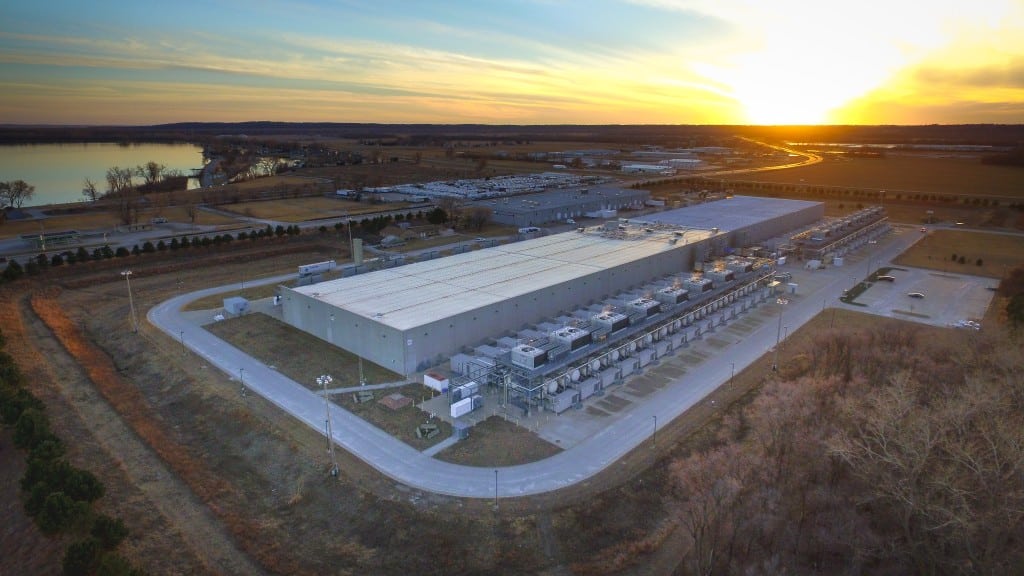
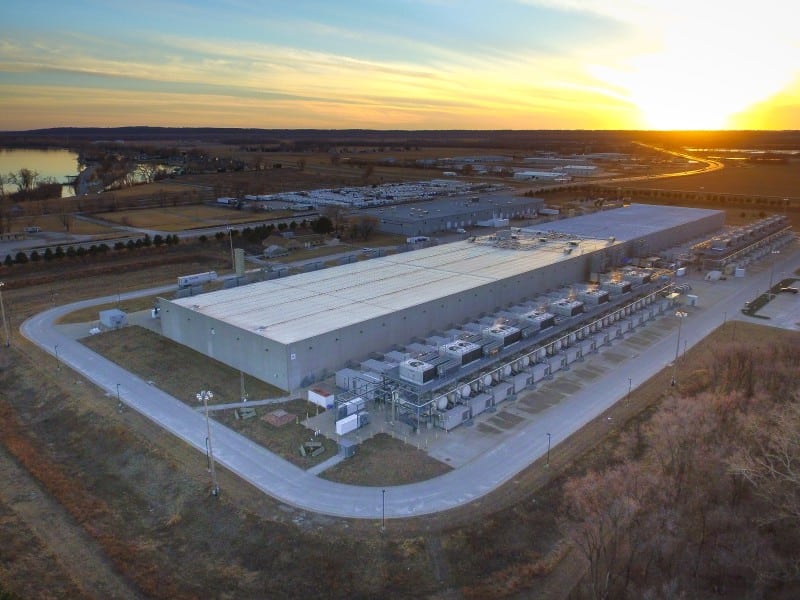
In January, Global Energy Monitor reported that the demand for gas-fired power in the United States has nearly tripled in the past two years and more than one-third of this new generation is slated for on-site power for data centers. Ohio already has around 200 data centers, more than half of which are located in central Ohio, and ranks seventh in the nation for energy consumption by data centers, according to ElectricChoice.com. About a dozen more are under construction in central Ohio, and about two dozen more are proposed for the area.
A donation powers the future of local, independent news in Columbus.
Support Matter News
Nearly all the electricity used by data centers in Ohio comes from fossil fuels, whether they are connected to the grid or generating their own behind-the-meter power. Only about 12 percent of grid energy in PJM territory comes from renewable energy and almost half comes from fracked gas. The United States is the largest global producer of fracked gas, with about 5 percent of it coming from Ohio. In 2019, a single incident at an XTO well pad in southeast Ohio produced a leak that went on for 20 days before it was capped, releasing more methane than many countries do in an entire year, according to CNN.
The cumulative impacts on Ohio’s air quality from oil and gas drilling, fossil fuel burning plants to power the grid, on-site behind-the-meter gas plants, and backup generators for data centers, together with wildfire smoke, will worsen Ohio’s air quality, affecting health, well-being, and quality of life. These impacts will be felt most acutely by children, people experiencing disability and chronic illness, older adults, the unhoused, Black, Brown and low income communities who already face disproportionate exposure to air pollution, and people who work outdoors.
Water usage is among the most commonly cited concerns about data centers, which, according to a recent Columbus Dispatch article, used about 3 percent of the city’s municipal water over the course of a year. This figure does not include water use by data centers in municipalities such as New Albany, which ultimately source their water from Columbus.
Powering local data centers also impacts water outside of the metro area. According to the U.S. Geological Survey, between 1.5 million and 16 million gallons of water are used every time a well is fracked, meaning the cumulative impacts on Ohio’s water resources extend far beyond what happens on site at a data center. And in some communities, including Marietta, drinking water is threatened by migrating oil and gas waste, which is stored in injection wells.
On Wednesday, July 22, the Columbus CIty Council Public Utilities and Sustainability Committee, chaired by council member Christopher Wyche, will present its draft proposal for municipal data center policy. This is the public’s opportunity to evaluate and weigh in on new policies that city leadership is actually considering before they are fully formed.
Columbus residents must seize this moment to demand meaningful policy that will actually protect the air and water we depend on and to minimize climate impacts from the data center onslaught. In addition to these new policies, the public should use this opportunity to hold city leadership accountable to its commitments outlined in the City’s recently updated Climate Action Plan. As data centers dramatically increase electricity demand, these goals will be difficult to achieve, and without significant pressure from the public, we may get only half measures that don’t meet this critical moment.
Becca Pollard is the executive director of the Buckeye Environmental Network.
Related Articles

Notes on a cross-country Amtrak
With Ohio considering expanding train access, our columnist reports on a summer spent riding the rails.

On Development: More local voices needed
The city needs to find ways to support economic development and build more housing without so readily awarding tax breaks, and that means bringing in new perspectives.
Local Politics: The small-time data center resistance
A petition to ban data centers statewide won’t be going to the ballot this year. So organizers are working locally instead.